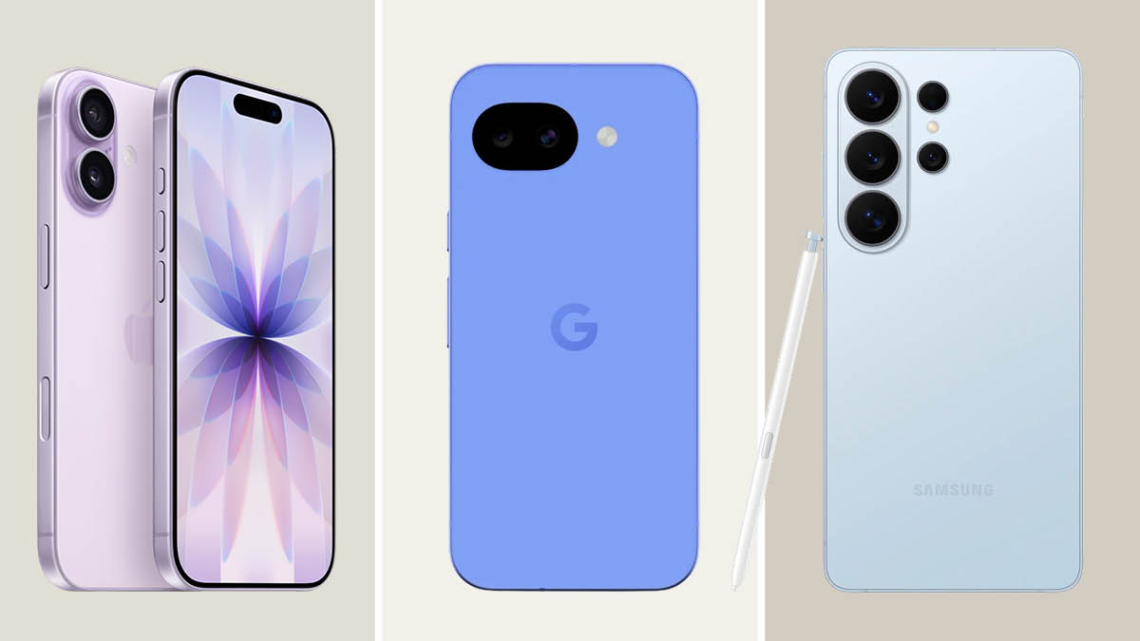
Let’s be honest for a second: shopping for a smartphone right now feels like walking into a massive tech maze. Every single manufacturer promises that their new launch is a revolutionary, life-changing device. They throw around buzzwords like NPU acceleration, computational camera pipelines, and periscope zoom ratios until your eyes glaze over.
Here is the truth: in 2026, you don’t need the most expensive flagship phone on the shelf to get a mind-blowing experience.
Smartphones have matured. The real game isn’t about who has the biggest numbers on a specification sheet—it’s about how seamlessly a phone fits into your daily routine. Whether you are a student pulling all-nighters, a content creator editing video on the go, or just someone who wants a battery that doesn’t die at 4 PM, here is what actually matters in the modern smartphone market.
The Reality Check: What’s New in 2026?
Before pulling out your credit card, it helps to understand what manufacturers are actually focusing on this year. The focus has shifted away from raw speed towards practical, everyday utility.
                  THE 2026 SMARTPHONE PRIORITIES
┌──────────────────────────────────────────────────────────────┐
│  AI Integration     --> Practical helpers, not gimmicks     │
│  Camera Tech        --> Smarter processing over megapixels   │
│  Battery & Charging --> Thermal efficiency & 20-min top-ups   │
│  Software Support   --> 5 to 7 years of security & updates   │
│  Display Quality    --> Outdoor peak brightness & durability │
└──────────────────────────────────────────────────────────────┘
1. AI is Finally Useful (Not Just a Chatbot)

For a long time, artificial intelligence on phones felt like a forced gimmick. You had separate apps where you could generate funny images or ask a chatbot silly questions.
In 2026, AI has moved behind the scenes. It’s no longer something you open; it’s something that runs quietly in the background to save you time. Modern phone AI helps you:
- Clean up photos instantly: Automatically removing background clutter or fixed blurs without needing Photoshop skills.
- Summarize messy voice notes: Transcribing long lectures or work meetings into bullet points in seconds.
- Translate on the fly: Live voice translation during phone calls when traveling abroad.
- Screen-aware actions: Contextual awareness where your phone understands what you’re looking at and offers relevant shortcuts.
If a phone’s AI features don’t save you actual minutes during your day, ignore the marketing hype.
2. Camera Quality: Megapixels Are a Lie
Here is a quick reality check: a 200-megapixel camera isn’t automatically better than a 12-megapixel camera.
Megapixels only tell you how large an image is, not how good it looks. In 2026, camera superiority comes down to computational photography—how well the phone’s software processes light, shadows, and movement the instant you tap the shutter button.
| What Marketers Want You to Look At | What Real Humans Should Check Instead 💡 |
|---|---|
| Giant 100MP+ lens labels on the back | Sensor Size: Larger sensors capture more light naturally. |
| Extreme “100x Digital Space Zoom” | Optical Stabilization (OIS): Keeps shaky handheld photos sharp. |
| Flashing ring lights and multi-lens arrays | Skin Tone Accuracy & Night Mode: How natural people look in low light. |
| 8K video recording modes | 4K Video Pacing: Smooth 60fps recording that doesn’t overheat the phone. |
If you primarily shoot photos of your kids, pets, food, or night-out gatherings, focus on real-world sample shots from independent reviewers rather than spec sheets.
3. Battery Life & Fast Charging: Freedom From the Wall
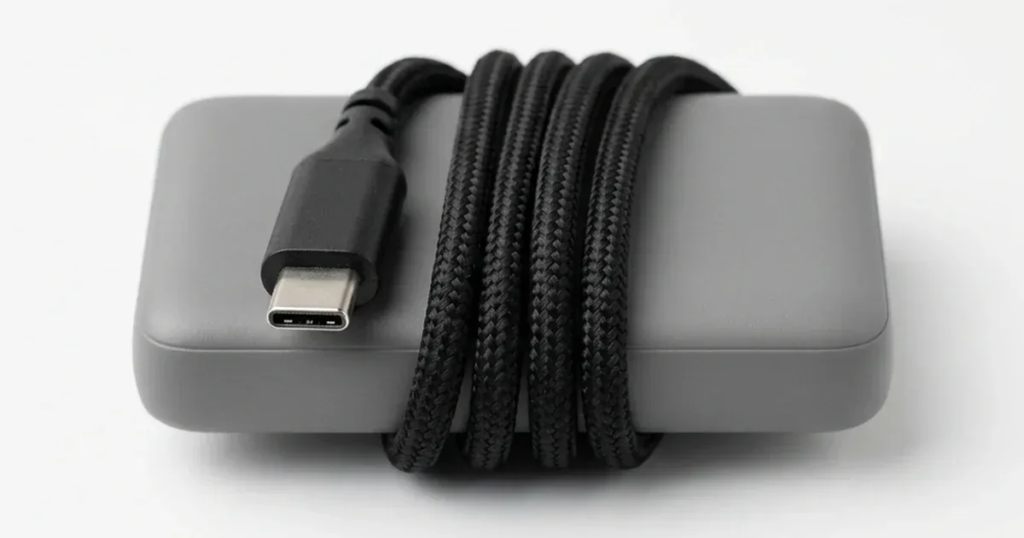
No matter how bright the screen is or how fast the processor benchmark reads, a dead phone is just an expensive paperweight.
Battery capacity (measured in mAh) is only half the story. The real hero in 2026 is processor efficiency and thermal management. A phone with a slightly smaller battery but a highly efficient chip will easily outlast a phone with a massive battery that runs hot and drains quickly.
                      REAL-WORLD BATTERY NEEDS
┌──────────────────────────────────────────────────────────────┐
│ Heavy Users (Gamers, Creators)   --> Look for 80W+ fast charge│
│ Travelers & Commuters            --> Prioritize efficient chips│
│ Casual Browsers & Texters        --> Standard 5,000mAh is fine│
└──────────────────────────────────────────────────────────────┘
Fast charging has also transformed daily habits. Being able to plug your phone in while taking a quick morning shower and getting an 80% charge changes how you plan your day. Just make sure the phone offers good thermal management so fast charging doesn’t cook your battery over time.
4. Displays: Brightness Beats Resolution

Almost every phone sold today has a sharp, colorful display. What separates a frustrating screen from a fantastic one in 2026 is outdoor peak brightness and adaptive refresh rates.
- Peak Brightness (Nits): If you spend time outdoors, look for high peak brightness. Direct sunlight washes out budget screens quickly.
- 120Hz Refresh Rates: High refresh rates make scrolling through Instagram, Reddit, or long web pages feel buttery smooth.
- Foldables: Flexible displays are better and more durable than ever, but they still come with a price premium and noticeable screen creases. Buy a foldable because you truly need the extra screen real estate, not just for the novelty factor.
5. The Software Trap: How Long Will This Phone Last?
Hardware gets all the attention in advertisements, but software dictates how much you will love your phone in year three or four.
A phone running a clean, well-optimized operating system feels snappy even on mid-range hardware. More importantly, pay attention to the manufacturer’s update commitment.
Promising 5 to 7 years of operating system and security updates means your phone stays safe from vulnerabilities, retains its resale value better, and gets new software tricks long after you bought it. Buying a cheap phone with only 1 or 2 years of software updates is a false economy.
Matching the Phone to Your Real Life
Instead of asking “What is the absolute best phone on the market?”, ask “What kind of smartphone user am I?”
┌──────────────────────────────────────────────────────────────┐
│                    WHICH USER ARE YOU?                       │
├──────────────────────────────────────────────────────────────┤
│    The Student / Budget Conscious                            │
│    Focus: High battery life, durable build, low price tag.   │
│    Skip: 8K video, glass backs, extreme gaming chips.        │
├──────────────────────────────────────────────────────────────┤
│    The Mobile Creator                                        │
│    Focus: Color accuracy, strong OIS, fast storage, 4K 60fps.│
│    Skip: Basic mono-speaker budget builds.                   │
├──────────────────────────────────────────────────────────────┤
│    The On-the-Go Professional                                │
│    Focus: On-device AI shortcuts, long software support, 5G. │
│    Skip: Flashy RGB gaming lights, extreme zoom cameras.     │
└──────────────────────────────────────────────────────────────┘
The Verdict: Don’t Upgrade Just Out of Habit

The smartphone market in 2026 offers incredible hardware at almost every price point. Mid-range phones are so good now that they handle 90% of what ordinary people need without breaking the bank.
If your current phone still lasts through the day, takes clean photos, and receives security updates, you don’t need to rush out and buy the latest launch. But if your device is lagging, dropping calls, or dying by lunchtime, focus on your actual daily habits rather than marketing jargon. Look for real-world battery life, clean software support, practical camera performance, and long-term durability.
Frequently Asked Questions (FAQs)
1. Do I really need to buy a $1,000+ flagship phone in 2026?
No, absolutely not. Unless you are a professional content creator who needs raw video output or an extreme mobile gamer, modern mid-range phones offer 85% to 90% of the flagship experience for less than half the price.
2. Is on-device AI safe for my personal data and privacy?
Generally yes, especially when processing happens directly on the device’s chip (on-device AI) rather than being sent to a cloud server. Check your phone’s privacy settings to see which AI features process data locally versus online.
3. Does fast charging damage my phone’s battery health over time?
Modern smartphones use smart power management and thermal throttling to protect the battery. While extreme heat is the enemy of battery lifespan, controlled fast charging from reputable brands is safe for everyday use.
4. How many years should I realistically keep my smartphone?
With manufacturers now offering 5 to 7 years of security updates, keeping a phone for 3 to 5 years is a realistic and cost-effective target. Replacing a degraded battery after 2.5 years is often much cheaper than buying a whole new phone.