Let’s be honest for a second.
You have probably spent the last three nights falling down a late-night YouTube rabbit hole. You have watched half a dozen creators standing in perfectly lit studios, speaking in hushed tones about “10-bit 4:2:2 color profiles,” “in-body image stabilization,” and “AI subject-detection algorithms.” You have four tabs open on your browser, and you are dangerously close to putting a $2,500 camera setup on your credit card—just to take better pictures of your dog, your kids, or your upcoming vacation.
Before you make a massive financial mistake, take a deep breath. Close those tabs.
The camera industry relies on one very specific trick: convincing you that your photos look mediocre because your camera is cheap. It is complete marketing fluff. In 2026, even “entry-level” cameras outperform the high-end professional gear used a decade ago.
The dirty secret of photography is simple: The best camera isn’t the most expensive one. It is the one that fits into your actual daily routine without making you feel like a pack mule.
If your gear is too heavy, too confusing, or too expensive to risk scratching at the beach, it will spend 99% of its life sitting in a closet while you take photos on your phone anyway. This guide walks through how to pick a setup that actually fits your life, your budget, and the way you travel—without requiring a degree in optical physics to operate.
1. The Real-World Camera Cheat Sheet
Rather than getting lost in meaningless technical jargon, use this practical comparison to see where your needs actually land:
| Camera Category | The Genuine Pros | The Frustrating Cons | Who It Is ACTUALLY Best For |
| APS-C Mirrorless (e.g., Sony a6700, Canon R10) | Phenomenal autofocus, compact bodies, versatile interchangeable lenses. | Lenses can get pricey; menus can take a few days to master. | Enthusiasts, travel photographers, and serious beginners. |
| Compact / Fixed-Lens (e.g., Fuji X100VI, Ricoh GR IV) | Fits in a jacket pocket, gorgeous image processing, zero lens heavy-lifting. | No optical zoom, high demand/marked-up prices, fixed focal length limitations. | Everyday carry, street photographers, and anti-gear minimalist travelers. |
| Creator / Vlog Bodies (e.g., Sony ZV-E10 II, DJI Pocket 3) | Flip-out screens, built-in directional mics, effortless subject tracking. | Poor viewfinders for sunny days, flimsy weather sealing, basic physical dials. | YouTubers, TikTok creators, and family video archivists. |
| Used DSLRs (e.g., Canon 80D, Nikon D750) | Dirt cheap, weeks of battery life, virtually indestructible construction. | Extremely heavy, outdated video capability, loud mechanical shutter clicks. | Absolute beginners on a strict $300 budget focusing purely on stills. |
| Modern Smartphones (e.g., iPhone, Pixel, Galaxy) | Always in your pocket, instant social editing, zero extra weight. | Fake digital portrait blur, poor performance in low light, zero real optical reach. | Quick casual snapshots and instant messaging updates. |
2. The 4 Features That Matter in 2026 (And What to Ignore)
Camera specs are designed to make you feel like your gear is instantly obsolete. Here is what makes a meaningful difference in your photos versus what is pure marketing noise:
                      SEPARATING REALITY FROM MARKETING HYPE

  [ WHAT ROCKS YOUR WORLD ] ─────────────► [ WHAT YOU CAN SAFELY IGNORE ]
  • AI Eye & Subject Tracking              • 50+ Megapixel Count Marketing
  • In-Body Image Stabilization (IBIS)     • 8K Raw Video Capabilities
  • Comprehensive Lens Ecosystem           • 30 Frames-Per-Second Burst Modes
  • Intuitive Touch Menus & Ergonomics     • Unusable Extreme High-ISO Numbers
Subject-Detection Autofocus (MATTERS A LOT)
Modern autofocus uses smart tracking to lock onto human eyes, dogs, cats, cars, and birds instantly. If you are photographing a child running across the lawn or an animal on a trail, modern AI tracking will save 80% of your shots from ending up in the digital trash can.
In-Body Image Stabilization / IBIS (MATTERS)

If your hands shake even a little bit, IBIS physically moves the sensor inside the camera body to counteract your motion. It lets you take razor-sharp photos at sunset without carrying a heavy tripod, and it turns bumpy handheld video into smooth footage.
Extreme Megapixel Counts (IGNORE IT)
Unless you are printing giant commercial billboards to hang on the side of a highway, you do not need a 40 or 50-megapixel camera. A standard 20-to-26 megapixel sensor is the sweet spot. It delivers crisp details, allows you to crop into photos, and won’t turn your computer into an overheating toaster when importing files.
8K Video Features (IGNORE IT)
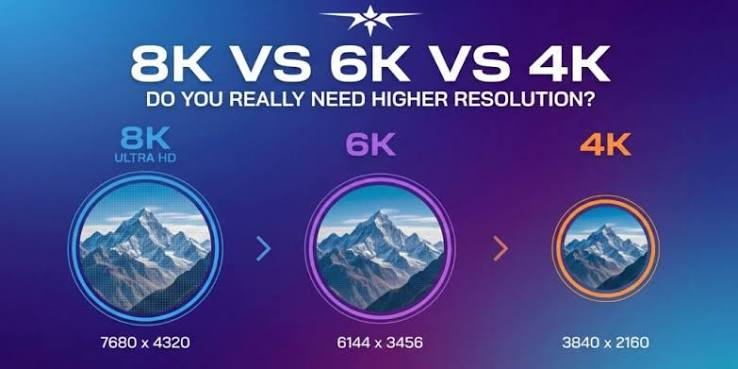
Shooting in 8K sounds cool until you realize a two-minute video clip fills up an entire memory card, eats through battery life, and crashes average editing software. High-quality, downsampled 4K video is all you will ever need for home movies, YouTube, or professional client work.
3. The Golden Rule: Invest in Glass, Not the Box

The single biggest mistake people make when buying their first “real” camera is dumping 90% of their money into the camera body, leaving them with just enough cash for a cheap, plastic kit zoom lens.
Think of the camera body like a computer, and the lens like the actual optical eye. A $600 camera body equipped with an extraordinary $500 lens will take dramatically better, more artistic photos than a $2,000 professional camera body attached to a low-grade $100 kit lens.
                      ALLOCATING YOUR CAMERA BUDGET

  [ THE ROOKIE TRAP ]  ──►  90% Body  +  10% Cheap Plastic Lens  = Flat, Boring Images
  [ THE PRO METHOD ]   ──►  50% Body  +  50% Sharp Prime Lens    = Stunning Depth & Blur
Which Lens Should You Get First?
- The “Do-It-All” Zoom (24-70mm equivalent): Perfect for travel, street scenes, and family gatherings where you need quick framing flexibility.
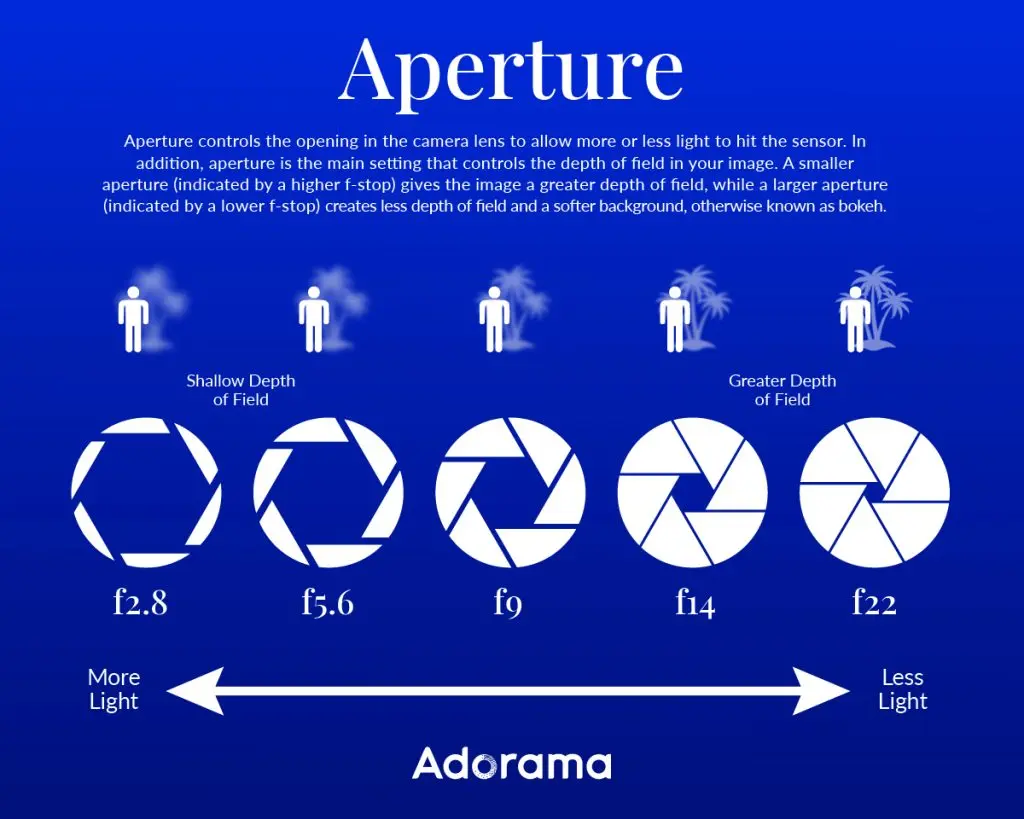
- The “Bokeh” Fast Prime (35mm or 50mm f/1.8): A lens that doesn’t zoom at all. Because it doesn’t zoom, it uses fewer glass elements, making it cheaper, sharper, and incredible in low light. This is the lens that gives you those gorgeous, soft, blurry backgrounds everyone loves in portraits.
4. Building the Right Pipeline for Your Creative Style
Stop searching for “the best camera” in the abstract. Instead, match your gear selection to what you actually enjoy doing on a Saturday afternoon:
                      MATCH YOUR TOOL TO YOUR REAL LIFE

  [ VLOGGING & SOCIAL ]   ──► Flip Screen + Mic Port + Lightweight Lens (e.g., Sony ZV-E10 II)
  [ TRAVEL & STREET ]     ──► Compact APS-C Body + Pancake Lens (e.g., Ricoh GR / Fuji X)
  [ FAMILY & PORTRAITS ]  ──► Eye-AF Body + 50mm f/1.8 Prime Lens (e.g., Nikon Z50 II / Canon R10)
  [ OUTDOORS & ACTION ]   ──► Waterproof Casing + Mechanical Gimbal (e.g., GoPro / DJI Pocket 3)
- If you are creating YouTube or short-form video: Look for an articulating screen, an external mic jack, and built-in electronic stabilization.
- If you travel light and hate big backpacks: Get a pocketable fixed-lens compact or a small crop-sensor body paired with a tiny “pancake” lens. If it requires a massive dedicated backpack, you will leave it in the hotel room.
- If you are capturing family memories and sports: Prioritize continuous focus speed, fast burst modes, and a comfortable grip that doesn’t hurt your hand after an hour at the field.
- Lip Care Tips 2026: Easy Ways to Keep Lips Soft & Healthy

- Best Product Reviews in 2026: Expert Buying Guides & Top Picks

- Ultimate guide to the best cameras of 2026: expert reviews and buying guide
- Best Nail Care Tips for Healthy & Strong Nails in 2026

- Best Natural & Organic Haircare Products and Tips for 2026

Frequently Asked Questions
Is buying a camera in 2026 really worth it over an iPhone or Galaxy?
Yes, but primarily for two reasons: sensor physics and optical depth. Smartphones rely heavily on artificial intelligence software to fake background blur, which often chops off hair, glasses, or clothing edges. A dedicated camera uses real physical glass to create natural focus separation, captures far more detail in low light, and gives you true optical zoom without pixel degradation.
Should I choose a Full-Frame or an APS-C (Crop) sensor?
For most people, APS-C is the smartest choice. APS-C camera bodies and their matching lenses are much smaller, significantly lighter, and roughly half the price of Full-Frame gear. Full-Frame is fantastic if you earn a living shooting weddings in dark churches, but for everyday travel and family photos, the extra size and weight are rarely worth it.
Is it safe to buy used camera gear?
It is one of the best ways to save money. Modern camera gear is built to take a beating. Buying a certified used camera or lens from a reputable seller often saves you 30% to 40% off retail prices. Just check the camera’s total “shutter count” to make sure it hasn’t been heavily used by a full-time professional.
What extra accessories do I actually need on day one?
Keep it ultra-simple. You only need three extra things when unboxing a new camera: a fast, reliable SD card (UHS-II speed rated for 4K video), an extra spare battery (mirrorless cameras drain batteries quickly), and a comfortable, padded crossbody shoulder strap. Skip the cheap 50-piece plastic accessory kits on Amazon—most of it ends up in the trash.