Let’s get one thing straight before we start: most of us treat our hands like they’re bulletproof.
We use our thumbnail to scrape off price tags, pry open stubborn beverage cans, pick at loose polish during boring meetings, and drown our hands in scalding hot water while washing dishes—all while wondering why our nails look like fraying cardboard.
Then comes the sudden panic. You notice a nasty split right near the quick, your cuticles look like they’ve had a rough run-in with a cheese grater, and your hands sting every time you use hand sanitizer. So, what do you do? You head to the store, drop $80 on fancy serums, strengthening polishes, and cuticle oils that smell like lavender, and promise yourself you’re going to stick to an elaborate 10-step daily routine.
Two weeks later, those pretty little bottles are gathering dust at the back of your bathroom cabinet, and you’re back to using your nails as a makeshift screwdriver.
Here is the honest truth: you don’t need an expensive salon habit, $200 worth of luxury products, or a time-consuming routine to have clean, strong, healthy nails. What you actually need is a reality check about the stupid little daily habits that quietly destroy your hands, paired with a few realistic, low-effort changes that actually fit into a normal, busy life.
Whether you love a sleek gel finish or prefer a totally bare, natural look, here is your practical, down-to-earth breakdown of what works, what doesn’t, and how to get your hands looking great without losing your mind.
The Master Cheat Sheet: Real-World Habits vs. What They’re Doing to Your Hands

Before we build a routine, let’s call out the everyday stuff you’re probably doing right now that’s secretly sabotaging your nails:
| What You’re Doing Right Now | What It’s Actually Doing to Your Nails | The Simple Human Fix | Effort Level |
| Using nails as tools (Opening cans, scraping stickers, popping lids) | Snaps internal keratin layers and creates microscopic cracks along the stress line. | Keep a real utility knife, key, or coin nearby. Stop using your thumb. | Low (Just takes awareness!) |
| Washing dishes bare-handed | Hot water and harsh dish soap wash away natural lipid layers, making nails brittle. | Buy a pair of cheap rubber gloves. Keep them right next to the sink. | Low |
| Peeling off chipped nail polish | You aren’t just peeling paint; you’re tearing away the top layers of your actual nail bed. | Use a gentle, acetone-free remover instead of picking at it. | Medium |
| Chopping off your cuticles | Removes the natural seal protecting your nail root, opening you up to raw, painful infections. | Leave them alone. Soften them in the shower and gently push them back with a washcloth. | Very Low |
| Sawing back and forth with a file | Frays the free edge of the nail, leading to snagging, micro-tears, and splitting down the road. | File gently in one direction—from the outer edge toward the center. | Low |
| Constant back-to-back gel manicures | Over-buffing, harsh acetone soaks, and manual scraping thin out your real nail plate. | Take a “palette cleanser” week off once a month to hydrate your natural nails. | Medium |
5 Practical Rules of Nail Science (Without the Jargon)
Your nails aren’t just decorative hard shields—they’re made of laminated layers of a tough protective protein called keratin. If you want your nails to stop bending, breaking, or peeling, you only need to protect them from three specific enemies: water overload, harsh chemicals, and mechanical stress.
1. Water Is Secretly the Enemy of Strong Nails
This sounds completely backward. Water feels like it should be hydrating, right? But your nails act like tiny sponges.
When you wash dishes, take long hot baths, or swim, your nails soak up water and expand. As they dry out later, they shrink back down. Doing this over and over stresses the internal structure of the nail plate, causing the top layers to separate at the tips. This is why your nails peel into paper-thin layers. Protecting your hands from prolonged water exposure is step one to fixing weak nails.
2. Moisture Belongs on the Skin (and Cuticles), Not in Water
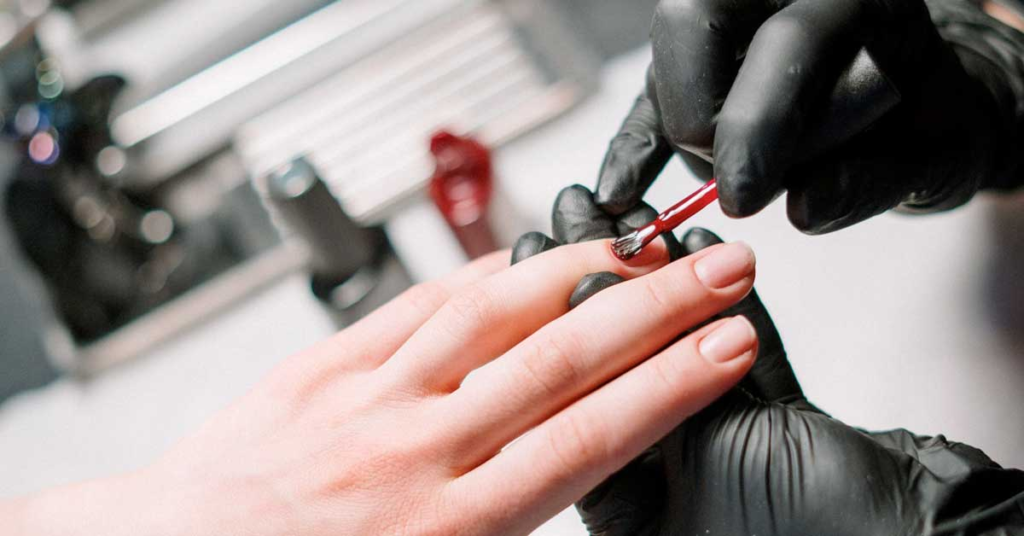
Because your nails dry out easily from everyday soaps, they need oil-based moisture to stay flexible. Flexible nails bend slightly under pressure; dry nails snap.
You don’t need a fancy oil blend. A basic hand cream, petroleum jelly, or a simple bottle of pure jojoba oil applied right to your cuticles works wonders.
- Pro Tip: Keep a tube of lotion on your nightstand. Apply it right before you go to sleep. Why? Because you won’t immediately wash your hands three minutes later, giving the moisture hours to actually sink in.
                    THE OVERNIGHT REPAIR LOOP

    [ 1. WASH & DRY HANDS ] ──► [ 2. MASSAGE OIL / LOTION ] ──► [ 3. OVERNIGHT REST ]
    Removes daily dirt & grime     Hydrates the cuticle matrix     No water to wash it away!
3. File Like a Pro, Not a Carpenter
When you take an emery board and violently saw back and forth across your nail tip, you leave ragged, micro-splinters along the edge. You might not notice them immediately, but the moment your nail catches on your jeans, a towel, or hair, that micro-splinter turns into a full-blown tear.
- The Fix: Hold your file at a slight angle against the edge. Sweep it smoothly from the outer corner toward the middle. Lift the file completely off the nail, place it back at the outer corner, and sweep again. Never saw back and forth.
4. Give Your Cuticles Some Respect
Think of your cuticles like the caulking around a bathtub. Their only job is to seal the gap between your living skin and your dead nail plate, keeping bacteria, fungi, and dirt out of the area where your new nail is growing.
When you cut them off with nippers or tear at loose skin with your teeth, you invite redness, swelling, and nasty hangnails. Treat cuticles gently: keep them moisturized, and if a hangnail pops up, snip only the loose piece of dead skin with clean, sharp clippers—never pull or tear it.
5. Take “Polish Breaks” Every Now and Then
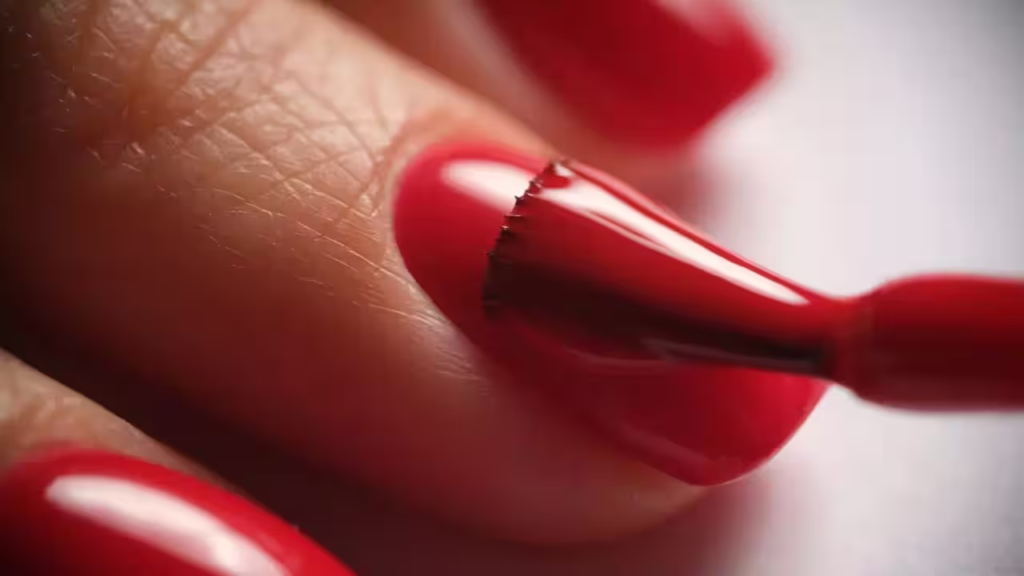
Nail polish itself isn’t necessarily evil, but the removal process is hard on your hands. Acetone strips every drop of oil out of your nail bed, leaving it chalky, dry, and white. If you live in gel or acrylic manicures, your nails are likely thin and bendy underneath from all the buffing and scraping.
Give your hands a breather every few weeks. Take off the polish, trim your nails short, load up on cream, and let your natural nail bed recover.
The 60-Second Busy Person’s Daily Routine
You don’t need a half-hour beauty ritual every night. Here is a realistic, ultra-quick timeline that keeps your hands looking clean, neat, and put-together without taking over your life:
                      YOUR REALISTIC DAILY TIMELINE

  [ MORNING ] ───► Slap on a quick pump of hand cream after your shower.
  [ DAYTIME ] ───► Put on rubber gloves before doing dishes or handling cleaners.
  [ EVENING ] ───► Rub a dab of thick lotion or oil into your cuticles in bed.
  [ WEEKLY  ] ───► Give them a quick single-direction file to smooth rough edges.
That’s literally it. Simple habits done every single day beat a $100 spa treatment you only do once a year.
When to Stop DIYing and See a Doctor
Most nail annoyance—a little peeling, a minor snag, a stray hangnail—can be sorted out with basic care and a pair of clean clippers. But your nails can also act as an early warning system for what’s happening deeper inside your body.
Put down the home remedies and consult a doctor or dermatologist if you notice:
- Unusual Discoloration: Dark brown, purple, or black streaks running down the nail that weren’t caused by slamming your finger in a door.
- Nail Lifting (Onycholysis): The actual nail plate loosening or lifting off the pink nail bed underneath.
- Thickening, Crumbling, or Severe Yellowing: Nails becoming abnormally thick, chalky, or painful (often signs of a persistent fungal infection that needs prescription treatment).
- Severe Redness and Pus: Swelling, heat, or throbbing pain around the cuticle area (paronychia), which usually requires medical attention to clear up safely.
- Lip Care Tips 2026: Easy Ways to Keep Lips Soft & Healthy
- Best Product Reviews in 2026: Expert Buying Guides & Top Picks

- Ultimate guide to the best cameras of 2026: expert reviews and buying guide

- Best Nail Care Tips for Healthy & Strong Nails in 2026
- Best Natural & Organic Haircare Products and Tips for 2026

Frequently Asked Questions
Why do my nails keep splitting into paper-thin layers at the tips?
Splitting is almost always caused by too much moisture exposure (like doing dishes without gloves), using harsh acetone removers too often, or filing back and forth with a cheap metal file. Keep your nails filed short in one direction and wear rubber gloves when cleaning.
Do I really need to spend money on dedicated cuticle oils?
Not at all! Expensive brand-name cuticle oils are nice, but plain jojoba oil, sweet almond oil, or even a cheap tub of Vaseline or Aquaphor rubbed into your fingertips at bedtime works just as well for a fraction of the cost.
Is it ever okay to cut my cuticles?
It’s generally best to leave cuticles alone. Cutting them opens up the living skin around your nail to bacteria and infection. If you have a hangnail (a piece of loose, dead skin sticking out at the sides), snip just the loose piece carefully with clean clippers. Don’t touch the smooth, healthy border around the base of your nail.
How long does it actually take for damaged nails to heal?
Fingernails grow pretty slowly—roughly 3 to 4 millimeters a month. If you have a damaged spot near the base of your nail, expect it to take about 4 to 6 months for that damaged section to completely grow out to the free edge. Patience and consistent daily care are key!1