

Let’s be honest for a second: shopping in 2026 is an absolute minefield for your bank account. Between one-click checkouts, personalized AI ads that seem to read your mind, algorithmically timed flash sales, and targeted discount codes, spending money has never been friction-free. You open an app to buy a basic replacement cable and somehow end up checking out with $120 worth of organic snacks, a trendy water bottle, and a set of desk organizers you didn’t even know existed ten minutes ago.
Sound familiar? You aren’t alone.
Smart shopping isn’t about living like a monk or denying yourself nice things. It’s simply about shifting from impulsive spending to intentional spending. It’s knowing how to spot a fake deal, when to pay a bit more for quality, and how to keep your hard-earned money in your pocket without feeling deprived.
What “Smart Shopping” Looks Like in the Real World

Being a savvy shopper doesn’t mean hunting down the absolute cheapest version of everything on the market. Often, buying the cheapest option ends up costing you double when it breaks two months later.
True value comes from matching what you pay with how much real use you get out of it.
| Shopping Style | The Impulse Approach 💸 | The Smart & Intentional Approach |
|---|---|---|
| Sales & Promo Banners | “It’s 60% off! I’m saving so much money!” | “Do I actually need this, or am I just hypnotized by the red discount tag?” |
| Product Reviews | Glances at the overall 4.5-star rating and hits buy. | Reads 2-star and 3-star reviews to spot recurring product defects. |
| Expensive Purchases | Buys immediately because there’s “only 2 left in stock!” | Uses a 24-hour cooling-off period and checks historical price tracking. |
| Quality vs. Price | Buys the cheapest version available every time. | Calculates Cost-Per-Use to decide when durability is worth paying for. |
5 Mindset Hacks to Stop Impulse Buying Instantly
Before you even worry about promo codes or price tracking apps, fixing the mental habits that trigger impulse buys will save you more money than any coupon ever could.
1. The 24-Hour Rule (Your Secret Weapon)
Whenever you get the sudden urge to buy something non-essential online, add it to your cart or wishlist, and then close the tab. Force yourself to wait 24 hours. You’ll be amazed at how often that desperate “need” completely evaporates by the next morning when your dopamine level resets.
2. Focus on the Final Price, Not the Discount

A coat originally priced at $200 marked down to $100 isn’t a “saving of $100″—it is an expenditure of $100. If you wouldn’t spend $100 of your hard-earned cash on that coat without the fancy “50% OFF” sticker attached, skip it.
3. Calculate Your “Work Hours” Cost
When you’re debating a $150 impulse purchase, convert the price tag into your actual take-home hourly wage. If you make $25 an hour after taxes, ask yourself: “Is this item really worth sitting at my desk working for 6 full hours?” Framing purchases in actual human labor changes your perspective fast.
4. Read Reviews Like a Skeptic
Don’t get tricked by thousands of automated 5-star ratings. Skip straight to the 3-star and 2-star reviews. Middle-of-the-road reviews are usually written by real people who will tell you the honest truth about sizing, cheap materials, awful customer support, or short battery life.
5. Shop Your Own Home First
Before you rush out to buy new storage bins, kitchen gadgets, clothing, or stationery, go raid your own closets and drawers first. Half the time, we already own a perfectly fine alternative that was just buried under a pile of clutter.
Understanding Cost-Per-Use: When Spending More Actually Saves Money
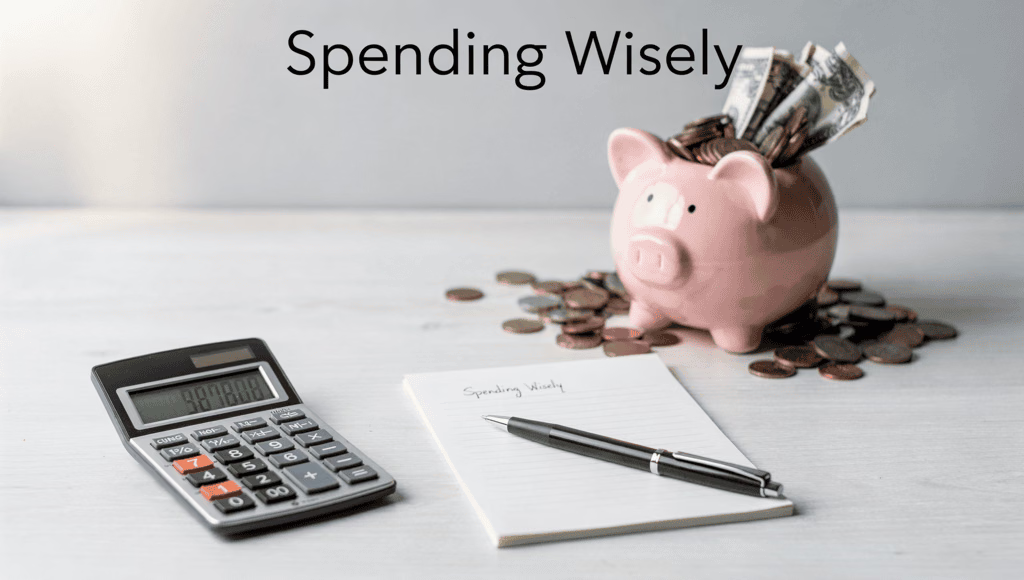
Sometimes, spending more money upfront is actually the cheapest long-term decision you can make. This comes down to calculating your Cost-Per-Use.
Cost Per Use=Estimated Number of UsesPurchase Price
                          COST-PER-USE COMPARISON
┌─────────────────────────────────────────────────────────────────────────┐
│  Cheap $30 Boots                                                        │
│  Worn 15 times before soles fall apart  -->  $2.00 per wear            │
├─────────────────────────────────────────────────────────────────────────┤
│  Quality $120 Boots                                                     │
│  Worn 200 times across 3 winter seasons -->  $0.60 per wear  (WINNER!)  │
└─────────────────────────────────────────────────────────────────────────┘
Investing in higher quality makes total sense for everyday staples—like daily work shoes, a solid winter coat, a reliable backpack, or a kitchen knife you use every single night. On the flip side, for a trendy outfit you’ll wear once to a wedding, going cheap or renting is the way to go.
A Quick Checklist Before You Click “Checkout”
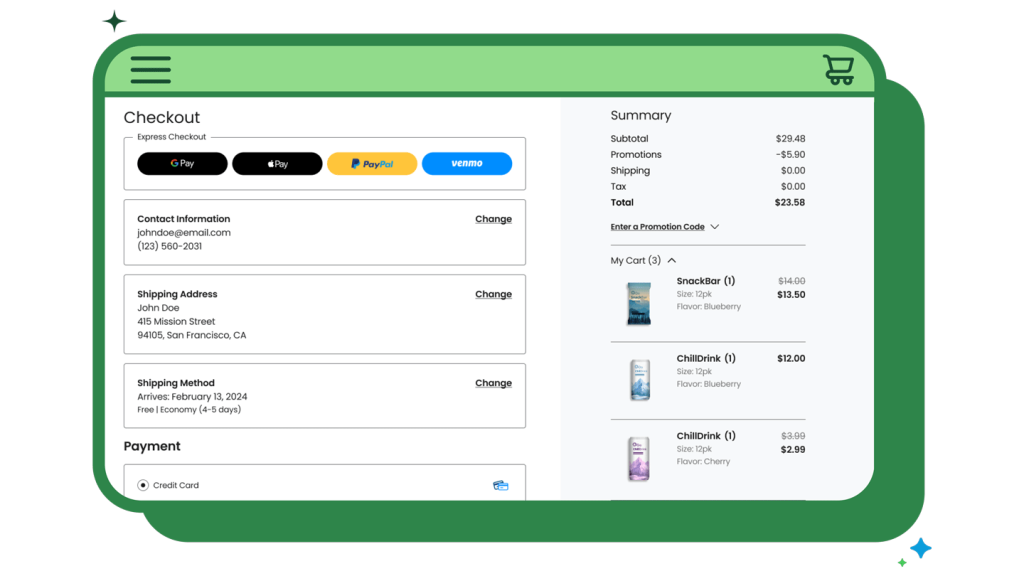
Run through these quick questions whenever you find yourself hovering over the buy button:
- [ ] Am I buying this because I genuinely needed it before I saw the ad/sale?
- [ ] Have I checked the total final cost including shipping, taxes, and hidden fees?
- [ ] What is the seller’s return policy if it arrives broken or doesn’t fit?
- [ ] Is there a hidden recurring subscription attached to this checkout?
- [ ] If this item wasn’t on sale, would I still want to pay real money for it?
If you can answer those with a confident “yes,” go ahead and buy it guilt-free. Money is meant to be enjoyed—the goal is just making sure you are deciding where it goes, rather than letting aggressive marketing decide for you.
FAQs
Are browser coupon extensions actually worth using?
Yes, for items you already planned to buy! Just don’t let them trick you into adding extra filler items to your cart just to hit a “Spend $50 to save $10” threshold.
How do I know if a sale price is actually a good deal?
Ignore the original crossed-out price tag. Use free price-tracking tools or search the item on a few competing sites to see what it normally sells for on a average day.
Is it really worth paying for annual shopping memberships?
Only if the perks (like free shipping or streaming) offset the fee based on purchases you’d make anyway. If you’re paying $100 a year just to end up making more impulse buys, cancel it.
What’s the best way to stop grocery store overspending?
Never shop hungry, always write a quick meal plan before you go, and stick strictly to your list. Buying unit-price store brands over name brands can instantly shave 20% off your bill.