
Taking care of yourself is an important part of maintaining a healthy and balanced lifestyle. Between work, studies, family responsibilities, and everyday commitments, it is easy to forget about your own needs. However, self-care does not always require expensive products, long holidays, or complicated routines. Small activities performed consistently can make everyday life feel more organised, refreshing, and enjoyable.
Self-care means making time for activities that support your physical comfort, emotional health, mental clarity, and personal happiness. It can include getting enough sleep, eating nutritious meals, enjoying hobbies, spending time outdoors, or simply taking a break when you feel overwhelmed.
Whether you have a busy schedule or plenty of free time, these simple self-care ideas can help you develop healthier habits and improve your daily well-being.
1. Start Your Day with a Calm Morning Routine

The way you begin your morning can influence how you approach the rest of the day. Instead of immediately checking notifications or rushing through your tasks, give yourself a few peaceful minutes.
A simple morning routine can include drinking water, stretching, making your bed, and spending a little time planning your priorities.
Easy morning self-care ideas:
- Wake up at a consistent time.
- Drink a glass of water.
- Open your windows and enjoy natural light.
- Stretch or take a short walk.
- Write down three important priorities for the day.
- Enjoy breakfast without unnecessary distractions.
A calm morning routine does not need to be lengthy. Even 10–15 minutes of intentional activities can help you begin the day more mindfully.
2. Stay Hydrated Throughout the Day
Drinking enough water is a basic but important part of physical well-being. Proper hydration supports normal body functions and helps maintain energy and concentration.
Make hydration easier by keeping a reusable water bottle nearby. You can also include water-rich foods such as cucumbers, oranges, watermelon, and strawberries in your meals.
Try these simple habits:
- Drink water after waking up.
- Keep a water bottle at your desk.
- Drink water regularly throughout the day.
- Choose water instead of sugary drinks more often.
- Increase fluid intake when weather conditions or physical activity require it.
Your hydration needs may vary depending on your activity level, climate, and health conditions.
3. Make Time for Daily Physical Activity

Physical activity is not limited to intense gym workouts. Walking, dancing, cycling, yoga, and stretching are all ways to include movement in your daily routine.
Regular movement supports physical fitness, mobility, and overall well-being. Choose activities that you enjoy so that staying active feels less like a responsibility and more like a positive part of your day.
Simple ways to stay active:
- Take a 15–20-minute walk.
- Stretch after sitting for long periods.
- Try beginner-friendly yoga.
- Dance to your favourite music.
- Use stairs when practical.
- Take short movement breaks during work or study sessions.
The best activity is one that suits your abilities and that you can maintain comfortably.
4. Follow a Simple Skincare Routine
Skincare can be a relaxing self-care activity that encourages you to spend a few minutes looking after yourself. You do not need a large collection of beauty products to maintain a basic routine.
A simple routine generally includes cleansing, moisturising, and using sunscreen during the day.
| Skincare Step | Purpose | When to Use |
|---|---|---|
| Cleanser | Removes dirt, oil, and impurities | Morning and evening |
| Moisturiser | Helps maintain skin hydration | Morning and evening |
| Sunscreen | Helps protect skin from UV exposure | Daytime |
| Lip Balm | Helps prevent dry lips | As needed |
Choose products that suit your skin type and avoid introducing too many new products at once. Consistency is more useful than following every skincare trend.
5. Practise Mindfulness and Deep Breathing

Daily responsibilities can sometimes make your mind feel busy. Mindfulness is a simple practice that encourages you to pay attention to the present moment rather than constantly thinking about past events or future tasks.
You can practise mindfulness while walking, eating, listening to music, or sitting quietly.
Try this basic breathing exercise:
- Sit comfortably in a quiet place.
- Relax your shoulders.
- Breathe in slowly through your nose.
- Breathe out gently.
- Repeat for a few minutes without forcing your breathing.
You can also spend five minutes observing your surroundings, listening to natural sounds, or focusing on one activity without distractions.
6. Maintain a Healthy and Balanced Diet
Food plays an important role in everyday well-being. Eating balanced meals can help provide the nutrients your body needs for normal functioning.
Instead of following restrictive food trends, focus on variety and moderation.
| Food Group | Examples | Everyday Benefits |
|---|---|---|
| Fruits | Apples, bananas, oranges | Provide vitamins and fibre |
| Vegetables | Spinach, carrots, broccoli | Supply important nutrients |
| Whole Grains | Oats, brown rice, whole-wheat bread | Provide fibre and energy |
| Protein Foods | Beans, lentils, eggs, nuts | Support body maintenance |
| Healthy Fat Sources | Seeds, nuts, olive oil | Provide essential fats |
Try to eat meals at regular times, include different food groups, and pay attention to your hunger and fullness cues. Your nutritional needs may differ based on age, activity, and health.
7. Improve Your Sleep Routine
Sleep is an essential part of self-care. A consistent sleep schedule and relaxing bedtime habits can support better rest and everyday functioning.
Many adults benefit from approximately seven to nine hours of sleep each night, although individual needs can vary.
Helpful bedtime habits include:
- Go to bed and wake up at consistent times.
- Reduce screen use before bedtime.
- Keep your bedroom comfortable and quiet.
- Avoid heavy meals close to bedtime if they disturb your sleep.
- Try reading or listening to calming music.
- Create a relaxing evening routine.
Avoid treating sleep as something you can regularly sacrifice to complete more tasks. Rest is an important part of a balanced lifestyle.
8. Take Breaks from Digital Devices
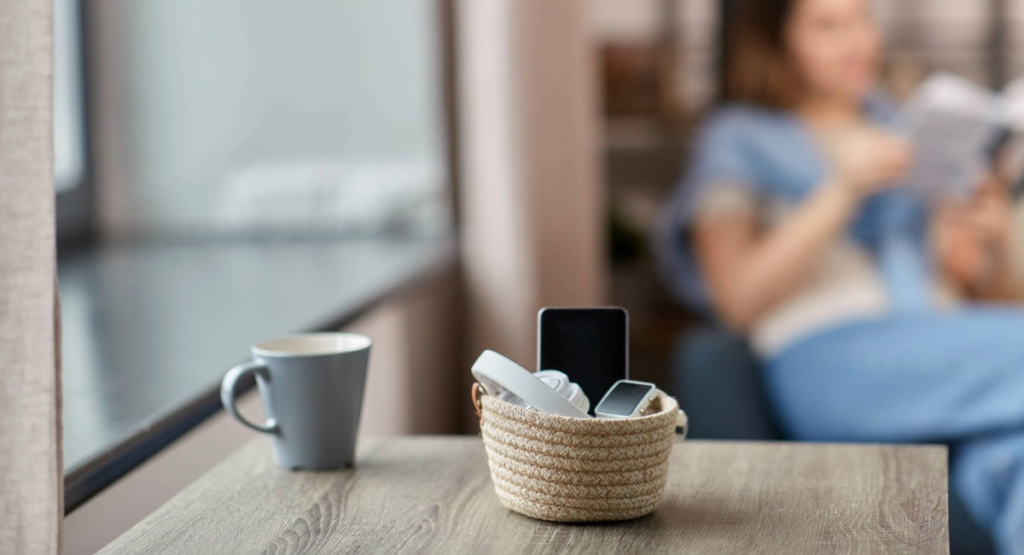
Smartphones, laptops, and social media are part of everyday life, but continuous screen use can leave you feeling distracted or mentally tired.
Digital self-care means creating healthier boundaries around technology without completely avoiding useful devices.
Some easy ideas include:
- Turn off unnecessary notifications.
- Avoid checking your phone immediately after waking up.
- Take regular breaks from screens.
- Keep devices away during meals.
- Set limits for non-essential social media use.
- Spend some free time reading, walking, or enjoying offline hobbies.
You can also create a screen-free period before bedtime to make your evening routine more relaxing.
9. Spend Time on Your Favourite Hobbies

Hobbies give you an opportunity to enjoy activities that are not connected to work, studies, or responsibilities. They can make your routine more enjoyable and provide a healthy way to spend free time.
You do not need to be an expert at an activity to enjoy it.
Consider trying:
- Reading books or magazines.
- Painting, sketching, or crafting.
- Gardening and caring for plants.
- Cooking new recipes.
- Photography.
- Listening to music.
- Learning a new language or skill.
Choose something that genuinely interests you. Even 15–30 minutes of hobby time can give you a refreshing break from everyday responsibilities.
10. Keep a Journal and Practise Gratitude
Journaling is a simple way to organise your thoughts, reflect on experiences, and recognise personal progress. You can write in a notebook or use a digital notes application.
You do not need to write long entries. A few sentences are enough to begin.
Try answering these questions:
- What made me happy today?
- What is one thing I learned?
- What am I grateful for?
- What is one thing I want to improve tomorrow?
- What activity helped me feel relaxed?
A gratitude journal can encourage you to notice positive moments in everyday life. However, journaling should feel comfortable rather than becoming another task you must complete perfectly.
11. Spend More Time Outdoors

Spending time outside can be a refreshing way to take a break from indoor environments and daily routines. Natural surroundings provide opportunities for movement, fresh air, and relaxation.
Simple outdoor self-care activities include walking in a park, sitting in a garden, cycling, visiting a nearby green space, or enjoying a morning tea outdoors.
You can also combine outdoor time with photography, reading, or light exercise.
Even a short walk can provide a change of environment and help break up a long day of sitting indoors.
12. Learn to Set Healthy Boundaries
Self-care also means recognising your limits and understanding when you need time for yourself. Trying to say yes to every request can make your schedule overwhelming.
Healthy boundaries help you manage your time, protect your personal space, and maintain more balanced relationships.
Ways to create healthier boundaries:
- Avoid accepting every responsibility immediately.
- Communicate your availability clearly.
- Make time for rest and personal activities.
- Limit unnecessary commitments.
- Ask for help when you need it.
- Respect other people’s boundaries as well.
Saying no politely when necessary is not selfish. It can be an important part of managing your responsibilities.
13. Create a Weekly Self-Care Plan
A simple weekly plan can help you include different forms of self-care without making your schedule complicated.
| Day | Self-Care Activity | Main Focus |
|---|---|---|
| Monday | Morning stretching | Physical movement |
| Tuesday | Read a book | Mental relaxation |
| Wednesday | Skincare routine | Personal care |
| Thursday | Journal for 10 minutes | Self-reflection |
| Friday | Enjoy a favourite hobby | Personal happiness |
| Saturday | Walk outdoors | Fresh environment |
| Sunday | Plan the upcoming week | Organisation and balance |
You can adjust this schedule according to your work, studies, and personal responsibilities. Missing a day does not mean you have failed. Simply continue when it feels manageable.
14. Common Self-Care Mistakes to Avoid

Although self-care is meant to support well-being, some habits can make it feel unnecessarily complicated.
Avoid these common mistakes:
- Comparing your routine with others: Everyone has different needs, schedules, and priorities.
- Spending too much on products: Self-care does not require expensive purchases.
- Ignoring rest: Being productive all the time is not a healthy goal.
- Following unrealistic routines: Start with small activities that fit your lifestyle.
- Neglecting emotional needs: Make space for reflection and supportive conversations.
- Treating self-care as a one-day activity: Consistent habits are more useful than occasional perfection.
Remember that self-care is personal. A routine that works for someone else may not work for you.
Frequently Asked Questions
1. What are some simple self-care ideas for beginners?
Start with drinking enough water, following a regular sleep schedule, taking short walks, enjoying hobbies, and spending a few minutes away from digital devices.
2. How much time should I spend on self-care every day?
There is no fixed amount of time. Even 10–15 minutes of meaningful activities can be a useful starting point. Choose a routine that fits your schedule.
3. What are the five main types of self-care?
Commonly discussed areas include physical, emotional, mental, social, and spiritual self-care. Each supports a different aspect of personal well-being.
4. How can I practise self-care with a busy schedule?
Include small activities in your existing routine, such as stretching during breaks, preparing balanced meals, taking a short walk, or setting aside time to relax.
5. Why is self-care important in everyday life?
Self-care encourages healthier routines, personal reflection, rest, and better awareness of individual needs. It can support overall well-being when practised consistently.
The Beauty Nova Daily team
Written and checked by the people who run Beauty Nova Daily.