Lifestyle and technology are becoming more connected than ever. From artificial intelligence and smart devices to sustainable living and digital wellness, new developments are changing how people work, communicate, shop, travel, and manage their daily routines.
In 2026, people are increasingly interested in solutions that make everyday life more convenient, personalised, efficient, and environmentally conscious. Technology is no longer limited to computers and smartphones. It is becoming part of homes, workplaces, healthcare experiences, entertainment, education, and personal productivity.
Understanding these trends can help individuals and businesses make informed decisions, discover useful innovations, and prepare for changing consumer preferences.
1. Artificial Intelligence in Everyday Life

Artificial intelligence is one of the most influential technology developments shaping modern lifestyles. AI-powered applications are helping people complete tasks, organise information, generate ideas, and improve productivity.
AI assistants can support everyday activities such as writing, planning, research, scheduling, and content creation. Businesses are also using AI-powered systems to improve customer service and automate repetitive tasks.
Popular uses of AI include:
- Writing and editing assistance.
- Personalised recommendations.
- Automated customer support.
- Image and video creation.
- Research and information organisation.
- Productivity and workflow management.
As AI becomes more accessible, digital skills and responsible use of these tools are becoming increasingly important.
2. Smart Homes and Connected Devices
Smart home technology is making everyday household activities more convenient. Connected devices allow people to control lighting, temperature, security systems, and appliances through smartphones or voice assistants.
These technologies can also help users monitor energy consumption and manage household routines.
| Smart Home Technology | Everyday Benefit |
|---|---|
| Smart lighting | Remote lighting control and scheduling |
| Smart thermostats | Temperature management |
| Smart security cameras | Remote home monitoring |
| Smart speakers | Voice-controlled assistance |
| Smart appliances | Convenient household management |
The growing interest in connected homes reflects a wider demand for comfort, automation, and energy-conscious living.
3. Sustainable and Eco-Friendly Living
Sustainability is becoming an important part of lifestyle decisions. Consumers are paying greater attention to product quality, packaging, energy use, and environmental impact.
Eco-friendly habits do not always require major lifestyle changes. Small everyday choices can also contribute to more responsible consumption.
Some sustainable lifestyle practices include:
- Choosing reusable bags and bottles.
- Reducing unnecessary packaging.
- Repairing and reusing products.
- Using energy-efficient appliances.
- Avoiding food waste.
- Supporting responsible brands.
Businesses are also exploring sustainable packaging, responsible sourcing, and more efficient production methods as environmental awareness grows.
4. Digital Wellness and Healthier Screen Habits

Technology makes communication and entertainment easier, but excessive screen time can affect daily routines and personal well-being. Digital wellness focuses on maintaining a healthier relationship with devices and online platforms.
People are becoming more aware of the importance of screen-time management, regular breaks, and online privacy.
Useful digital wellness habits include:
- Setting daily screen-time limits.
- Taking breaks during long working sessions.
- Turning off unnecessary notifications.
- Avoiding screens before bedtime when possible.
- Spending time on offline activities.
- Reviewing app permissions and privacy settings.
Digital wellness is not about avoiding technology. It is about using it thoughtfully.
5. Wearable Technology and Personal Fitness
Wearable devices such as smartwatches and fitness trackers are becoming popular tools for monitoring daily activity.
Depending on the device, users can track steps, exercise sessions, heart rate, sleep patterns, and other wellness measurements.
<AsyncImage query=”modern smartwatch fitness tracker on wrist showing health activity metrics” aspectRatio=”16:9″ width=”100%”/>
| Wearable Feature | How It Helps |
|---|---|
| Step tracking | Monitors daily movement |
| Heart-rate monitoring | Displays heart-rate measurements |
| Sleep tracking | Provides information about sleep patterns |
| Workout tracking | Records selected exercise activities |
| Activity reminders | Encourages movement throughout the day |
Wearable devices can help people understand activity patterns, but their measurements should not replace professional medical advice.
6. Personalised Shopping and Digital Payments
Online shopping continues to evolve through personalised recommendations, mobile-friendly experiences, and digital payment options.
Retail platforms use browsing activity, purchase history, and product preferences to recommend relevant products. Digital wallets and contactless payment options also make transactions more convenient.
Important shopping trends include:
- Personalised product recommendations.
- Mobile shopping experiences.
- Digital wallets and contactless payments.
- Virtual product demonstrations.
- Customer reviews and comparison tools.
- Social commerce through digital platforms.
Consumers should still compare prices, check seller information, and use secure payment methods before completing online purchases.
7. Remote Work and Flexible Workspaces
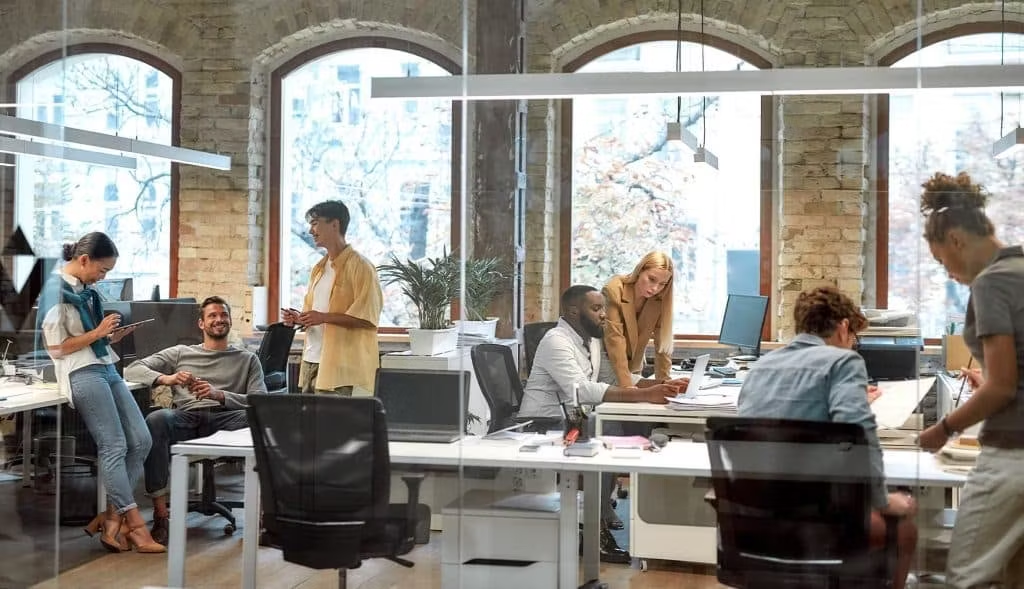
Digital tools have made remote and hybrid work more accessible for many professionals. Video conferencing, cloud storage, project management software, and online collaboration platforms help teams work across different locations.
Modern workspaces are also changing. People are creating more organised home offices with comfortable furniture, reliable internet connections, and productivity-focused technology.
Popular remote-work tools and solutions include:
- Video meeting applications.
- Cloud-based document platforms.
- Team communication tools.
- Online project management systems.
- Digital calendars and scheduling applications.
The focus is shifting towards flexible work arrangements, effective communication, and better work-life balance.
8. Electric Vehicles and Smarter Transportation
Transportation is another area experiencing technological change. Electric vehicles, improved battery technology, connected vehicle features, and charging infrastructure are influencing how people think about mobility.
Electric vehicles can offer an alternative to traditional petrol and diesel vehicles, although their suitability depends on driving requirements, charging access, purchase price, and local infrastructure.
| Transportation Trend | Potential Benefit |
|---|---|
| Electric vehicles | Alternative vehicle technology |
| Public charging networks | More charging options |
| Connected vehicle systems | Navigation and vehicle information |
| Ride-sharing services | Flexible transportation choices |
| Smart traffic systems | Better traffic management |
As technology and infrastructure develop, smarter transportation solutions may become more accessible.
9. Online Learning and Skill Development
Online learning has become an important part of modern education and professional development. Digital courses, tutorials, educational applications, and virtual classrooms allow people to learn at their own pace.
Technology-related skills are particularly relevant as workplaces adopt new digital tools.
Popular areas for online learning include:
- Artificial intelligence and data skills.
- Digital marketing.
- Graphic design and video editing.
- Coding and web development.
- Communication and business skills.
- Financial literacy.
Continuous learning can help students and professionals adapt to changing career requirements.
10. Personalised Entertainment and Digital Content
Entertainment platforms are using recommendation systems to help users discover movies, music, games, podcasts, and videos based on their interests.
Short-form videos, creator-led content, podcasts, and interactive gaming are also influencing how people spend their free time.
The growing range of digital content gives audiences more choices, but it also makes it useful to manage subscriptions, screen time, and online privacy.
11. Augmented Reality and Virtual Reality Experiences
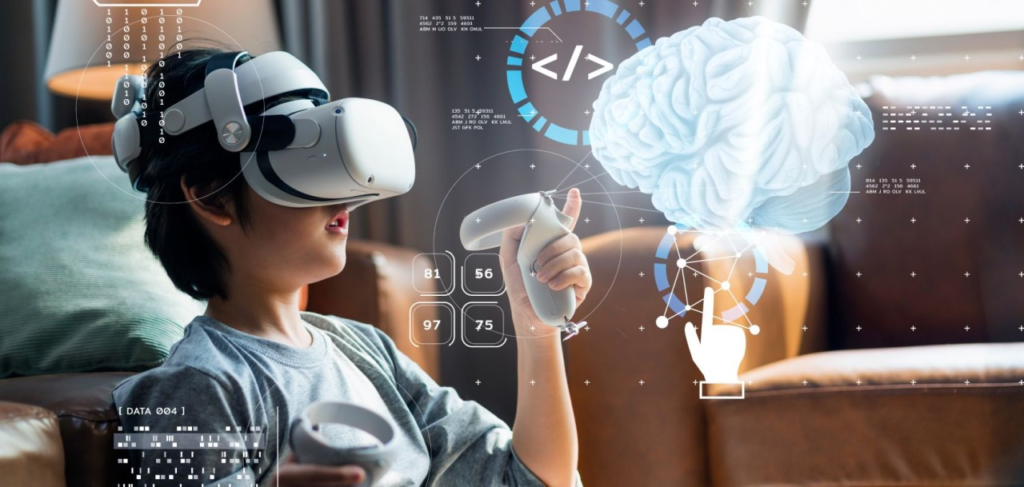
Augmented reality (AR) and virtual reality (VR) are creating new ways to interact with digital content.
AR can add digital elements to real-world views, while VR can create immersive virtual environments. These technologies are being explored in gaming, education, retail, design, training, and entertainment.
For example, some shopping experiences allow customers to preview how furniture might look in a room. VR applications can also provide simulated environments for learning and training.
Although adoption varies by industry and device availability, AR and VR remain important areas of technological development.
12. Minimalism and Intentional Living
Alongside technological innovation, many people are showing interest in simpler and more intentional lifestyles.
Minimalism focuses on prioritising useful possessions, reducing unnecessary consumption, and creating organised living spaces. It can also involve managing digital clutter, limiting unnecessary purchases, and focusing on meaningful activities.
Practical ways to adopt intentional living include:
- Organising frequently used spaces.
- Reviewing unused subscriptions.
- Reducing unnecessary purchases.
- Keeping digital files organised.
- Prioritising important personal goals.
- Creating time for hobbies and relationships.
This trend shows that modern lifestyles are not only influenced by new technology but also by the desire for balance and simplicity.
Lifestyle and Technology Trends: Quick Comparison
| Trend | Main Focus | Everyday Impact |
|---|---|---|
| Artificial intelligence | Automation and assistance | Saves time on selected tasks |
| Smart homes | Connected devices | Improves household convenience |
| Sustainable living | Responsible consumption | Encourages mindful choices |
| Digital wellness | Balanced technology use | Supports healthier digital habits |
| Wearable technology | Activity monitoring | Helps track personal routines |
| Digital payments | Cashless transactions | Makes payments more convenient |
| Remote work | Online collaboration | Supports flexible working |
| Electric vehicles | Modern transportation | Offers alternative mobility options |
| Online learning | Digital education | Expands learning opportunities |
| AR and VR | Immersive experiences | Creates new ways to interact |
How to Keep Up with Lifestyle and Technology Trends
Following every new trend can be difficult because technology and consumer preferences change quickly. Instead of adopting everything, focus on developments that offer genuine value.
A practical approach is to:
- Follow reliable technology and lifestyle publications.
- Explore new applications before relying on them.
- Compare features, pricing, and privacy policies.
- Learn digital skills that support your goals.
- Choose sustainable products when practical.
- Review whether new technology genuinely improves your routine.
The best trend is not necessarily the newest one. It is the one that solves a real problem or improves everyday life.
Frequently Asked Questions
1. What are the top lifestyle and technology trends in 2026?
Major trends include artificial intelligence, smart homes, sustainable living, wearable technology, digital wellness, electric vehicles, and online learning.
2. How is AI changing everyday lifestyles?
AI applications can help with writing, planning, research, recommendations, customer support, and other everyday tasks.
3. Why is sustainable living becoming popular?
Growing awareness of environmental issues is encouraging people to reduce waste, reuse products, save energy, and make more responsible purchasing decisions.
4. What technology trends should people learn about?
AI tools, digital security, online collaboration, data literacy, and smart-device management are useful areas to explore.
The Beauty Nova Daily team
Written and checked by the people who run Beauty Nova Daily.