
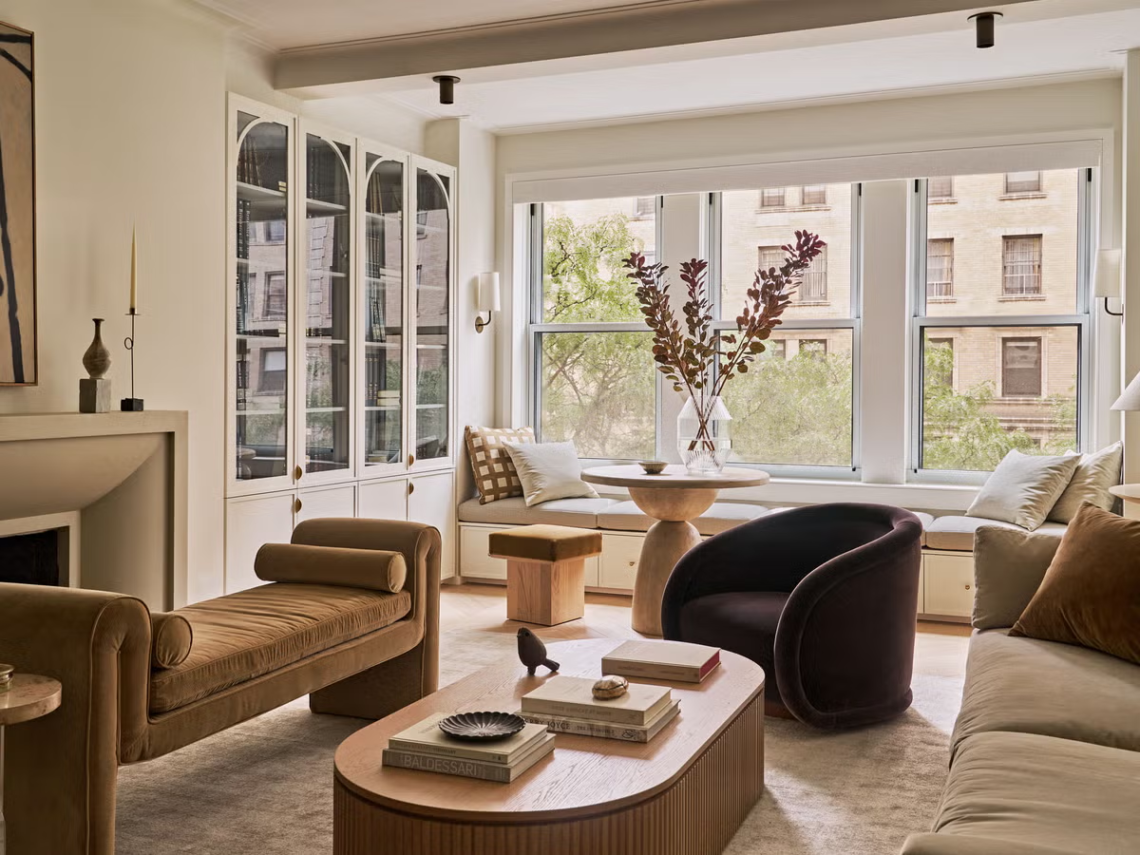
Let’s be completely honest for a second: most interior design guides read like they were written by someone who has never had to scrape dried pasta off a kitchen counter, deal with a shedding golden retriever, or stretch a paycheck across an unexpected utility bill.
For years, the design world tried to convince us that our homes should look like pristine, clinical art galleries. We were told to buy blindingly white sofas, paint every wall a cold hospital gray, hiding away any sign that actual human beings—with real lives, kids, pets, and hobbies—existed inside those four walls.
Well, good news: in 2026, the obsession with staged, sterile perfection is officially dead.
Nobody wants to live in a house where you’re terrified to drop a coaster, sit on a couch in dark denim jeans, or leave a stack of favorite books on the coffee table. The prevailing mood across the home decor spectrum is centered on Warm, Lived-In Realism. People are demanding spaces that feel cozy, deeply personal, practical, and forgiving.
Whether you’re decorating a studio apartment you rent, renovating a mid-century fixer-upper, or simply trying to make your living room feel less like an empty waiting room, here is your comprehensive, no-BS breakdown of what’s in, what’s out, and how to make your home feel genuinely amazing without going broke.
The 2026 Interior Vibe Check: What’s In vs. What’s Out
Before we dive into the specific details, let’s lay out the big structural shifts happening in interior design right now. If you’re looking for a quick reference guide before you head out to shop or browse secondhand listings, keep this real-talk cheat sheet handy:
| Design Category | Out (The Yesteryear Trend) | In (The 2026 Shift) | The Real-Talk Difference |
| Color Palettes | Cold hospital gray & stark blue-whites | Warm terracotta, olive, clay, & soft beige | Moving from clinical & chilly to grounded, cozy, and forgiving of everyday dust. |
| Furniture Sourcing | Matching sets straight out of a catalog | Mixed eras, thrifted anchors, & custom pieces | Moving away from “I bought set #B-104” to a room that looks collected over time. |
| Lighting Strategy | “The Big Light” (single harsh ceiling fixture) | Layered warm lighting, low lamps, & sconces | Replacing interrogation-room glare with relaxing, atmospheric evening glows. |
| Wall Finishes | Flat, builder-grade matte paint | Limewash, Roman clay, & wood slatted accents | Adding rich visual texture so plain walls don’t feel like empty drywall. |
| Seating & Sofas | Ultra-stiff, angular “for show” furniture | Deep, plush, stain-resistant cloud seating | Prioritizing actual 3-hour movie marathons over stiff Instagram-aesthetic postures. |
| Decor & Accent Items | Generic, mass-produced quote-art | Personal souvenirs, vintage art, & family heirlooms | Surrounding yourself with things that carry memories rather than plastic filler. |
| Room Functionality | Single-purpose formal dining or sitting rooms | Flexible, multi-use zones tailored to daily life | Making every square foot work for working, lounging, exercising, and eating. |
| Plant Aesthetics | Overcrowded plant jungles in plastic pots | Statement trees in handcrafted ceramic urns | Quality over quantity—fewer, healthier plants in pots that match your home’s vibe. |
1. Color Palettes: Ditching the Cold Hospital Whites
For nearly a decade, “cool gray” was treated like a universal religion. Developers slapped it on every wall, flippers painted every cabinet with it, and furniture stores stocked almost nothing else. The result? Homes ended up looking remarkably like dentist waiting rooms.
In 2026, we’ve collectively swung back toward warm, earthy grounding tones.
[Warm Beige / Clay] ───> [Rich Terracotta] ───> [Muted Olive Green] ───> [Warm Taupe]
These colors aren’t loud or aggressive; rather, they serve as a forgiving canvas that reflects warm light instead of bouncing harsh glares back into your eyes.
How to use warm tones in real life:
- The Foundation: Swap out stark white paint for a warm, creamy off-white with yellow, red, or beige undertones (think colors inspired by whipped butter, light linen, or soft plaster).
- The Accent: Bring in earth tones through textiles first. A rich terracotta velvet pillow, an olive-green throw blanket, or a rust-colored wool rug will instantly warm up a cool room without forcing you to pick up a paintbrush.
- The Muted Statement: If you love dark colors, opt for deep chocolate brown, burnt amber, or dusty forest green rather than stark jet-black.
2. Furniture That Hugs You: The Rise of Extreme Comfort
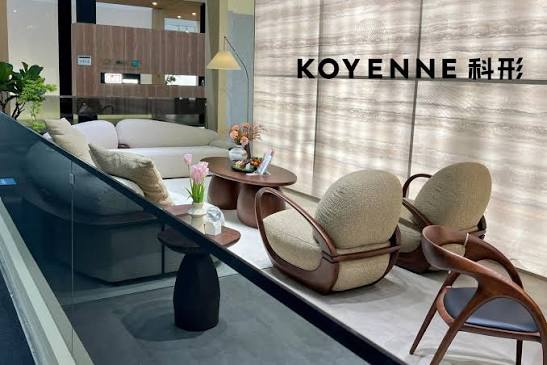
Remember those sleek, ultra-low-back sofas that looked incredible in architectural magazines, but left your lower back aching after twenty minutes of watching TV? They are officially out.
In 2026, furniture design is putting ergonomics and physical comfort first. We’re seeing a massive resurgence in deep-seated sectional sofas, rounded plush armchairs, low-slung floor cushions, and overstuffed headboards.
Form Follows Function:
Old Way: Stiff geometry ➔ Beautiful in photos ➔ Miserable to sit on.
2026 Way: Ergonomic depth ➔ Plush performance fabrics ➔ Inviting to live on.
Key things to look for when furniture shopping:
- Performance Fabrics: Comfort doesn’t mean fragile. Look for high-rub-count fabrics treated with stain-resistant finishes (like performance linen, velvet, or boucle) so you can actually eat popcorn or drink a glass of wine on your couch without having a panic attack.
- Soft Edges and Curves: Hard angles are being softened. Curved coffee tables, arched entryways, and rounded sofa silhouettes relax the eye and make tight walkways feel much safer (and far less painful for your shins).
- Low, Wide Profiles: Furniture that sits slightly lower to the ground creates an immediate sense of casual, unpretentious lounge culture.
3. Lighting: It’s Time to Permanently Kill “The Big Light”
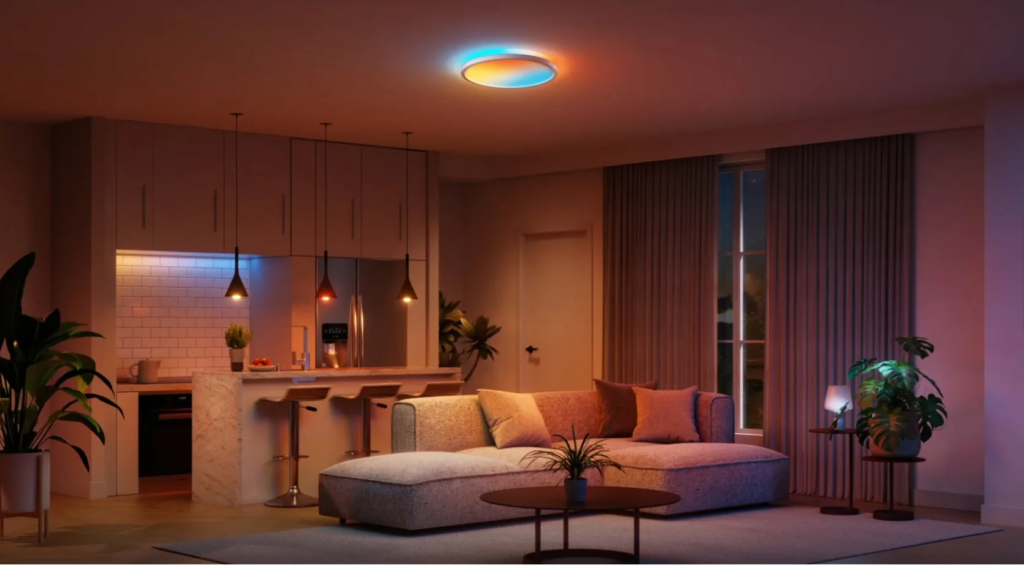
If there is one absolute, non-negotiable rule of 2026 interior design, it is this: Do not rely on the central overhead light fixture.
We’ve all experienced it—you turn on “The Big Light” in the middle of the ceiling, and suddenly every wrinkle, dust particle, and piece of clutter in your home is exposed under an unflattering 4000K fluorescent beam. It instantly kills the cozy atmosphere you’ve worked to build.
The 3-Layer Lighting Framework
To make any room feel like a high-end boutique hotel at 8:00 PM, build out three distinct layers of warm illumination:
+--------------------------------------------------------------------+
| 1. AMBIENT (The Base)                                              |
| Low-glare recessed dimmers, hidden architectural LED cove strips   |
+--------------------------------------------------------------------+
                                  │
                                  ▼
+--------------------------------------------------------------------+
| 2. TASK (The Focus)                                                |
| Adjustable reading lamps, kitchen under-cabinet lighting           |
+--------------------------------------------------------------------+
                                  │
                                  ▼
+--------------------------------------------------------------------+
| 3. ACCENT / MOOD (The Warmth)                                      |
| Table lamps, floor uplights, wall sconces, real beeswax candles     |
+--------------------------------------------------------------------+
- Rule of Thumb: Keep your lightbulb color temperature between 2700K (Warm White) and 2200K (Soft Candlelight). Avoid anything labeled “Daylight” (4000K+) in living and sleeping areas—save those strictly for garage workspaces or craft rooms.
- Rechargeable Lamps are Your Best Friend: Don’t have an outlet near a corner shelf or outdoor patio table? Wireless, USB-rechargeable mini lamps have revolutionized home lighting. You can toss them anywhere to add an instant pool of warm light without unsightly cords.
4. Vintage, Thrifted, and Soulful Anchors

Buying every single item in a room from one big-box retail floor is the fastest way to make your home feel like a hotel room you’re renting by the night.
The most captivating homes in 2026 are built around layered storytelling. People are pairing brand-new, comfortable modern seating with vintage, weathered wooden coffee tables, antique brass mirrors, or handcrafted ceramics picked up on weekend road trips.
Why mixing old and new works so brilliantly:
- Patina Adds Depth: A scratched oak side table or a slightly worn Persian rug brings a sense of history that a factory-fresh piece simply cannot replicate.
- Sustainability Meets Savings: Sourcing furniture from thrift shops, estate sales, or online marketplaces keeps solid-wood furniture out of landfills while saving you hundreds (or thousands) of dollars compared to buying cheap particle-board alternatives new.
- Uniqueness: Nobody else who walks into your house will have the exact same living room setup because your hero pieces are one-of-a-kind finds.
5. Walls With Feeling: Limewash, Wood, and Tactile Depth
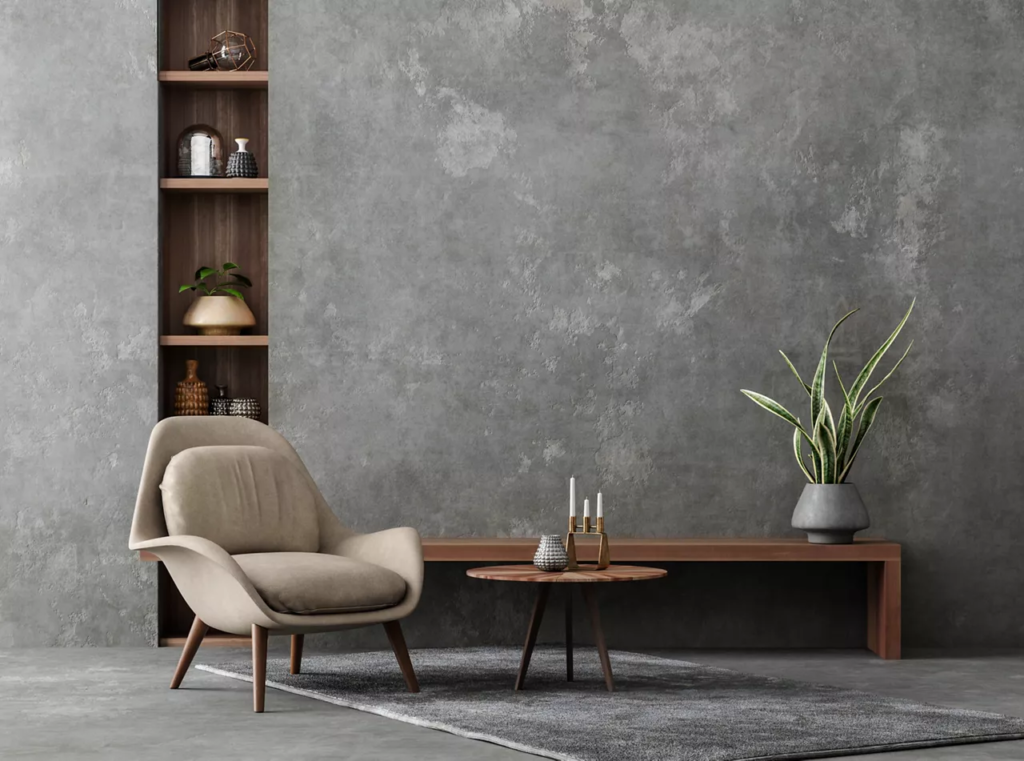
Flat, plain drywall is fine, but it can make large rooms feel cold and boxy. In response, homeowners are turning to wall finishes that add subtle, organic texture.
1. Limewash & Roman Clay
Instead of standard latex paint, limewash paint (made from slaked lime and natural pigments) creates a soft, chalky, suede-like texture on walls. It catches daylight beautifully and gives standard rooms the gentle, rustic feel of a Mediterranean villa or a centuries-old European flat.
2. Fluted and Slatted Wood Accents
Adding vertical wooden slats or fluted paneling behind a bed headboard or media console adds warmth and acoustic dampening. It cuts down on echo while visually lifting the ceiling height.
3. Textile Wall Hangings
Placing a woven tapestry, a vintage rug, or framed textile art on a large wall breaks up audio reflection and softens room acoustics far better than a basic printed poster in a glass frame.
6. Real-Life Multi-Functional Spaces
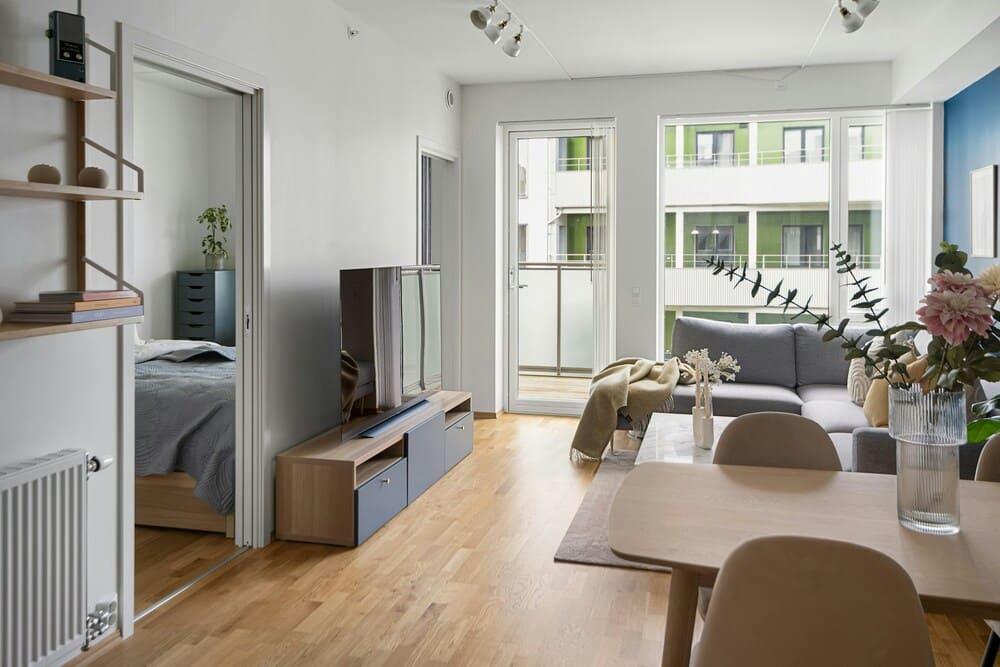
Let’s talk about layout economics. Unless you live in a mansion, dedicated “single-use” rooms (like a formal dining room that gets used twice a year or a guest bedroom that sits empty 300 days out of 365) are a massive waste of precious space.
In 2026, we are embracing agile floor plans. A room needs to shift easily to match how your day unfolds.
       ┌──────────────────────────────────────────────┐
       │                 MY SQUARE FOOTAGE            │
       └──────────────────────┬───────────────────────┘
                              │
         ┌────────────────────┴────────────────────┐
         ▼                                         ▼
  Morning / Afternoon                       Evening / Weekend
 ┌──────────────────────┐                  ┌──────────────────────┐
 │ • Home Office        │                  │ • Guest Bedroom      │
 │ • Workstation        │  ──────────────> │ • Lounge / Yoga Space│
 │ • Active Production  │                  │ • Quiet Retreat      │
 └──────────────────────┘                  └──────────────────────┘
Smart Ways to Make Rooms Flex:
- The Invisible Office: Instead of a giant desk dominating your living room, opt for a fold-down secretary desk or a desk built into a closet unit that can be closed away out of sight when the workday ends at 5:00 PM.
- Daybed Guest Rooms: Replace a bulky queen mattress in a spare room with a stylish daybed filled with throw pillows. It functions as a cozy reading den 90% of the time and easily converts into a bed when guests visit.
- Drop-Leaf Dining: Extendable dining tables allow small families to enjoy daily meals without taking up half the kitchen, expanding only when hosting dinner parties.
Budget-Friendly Execution Matrix: What to Spend vs. Where to Save
Updating your home doesn’t require a $50,000 credit line. The secret to smart decorating lies in knowing where to invest for high impact and where to scrimp without compromising style.
| Spend Your Hard-Earned Money On… | Save Your Cash (Thrift, DIY, or Buy Cheap) On… |
| The Sofa / Primary Mattress: You spend a third of your life on these. Poor quality leads to literal physical pain. Buy the best high-density foam or pocket-spring construction you can afford. | Side Tables & Plant Stands: A wooden stump, a stack of art books, or a cheap thrifted stool works just as well as a $300 designer side table. |
| Primary Lighting: High-quality lamps with warm dimming capabilities set the entire mood of your living space. | Throw Pillows & Blankets: Buy pillow inserts (feather-down) once, then buy cheap, machine-washable covers that you can swap out seasonally. |
| Hardware & Faucets: Knobs, cabinet handles, and kitchen faucets are high-touch items. Upgrading cheap plastic handles to solid brass or matte black iron instantly elevates basic cabinets. | Wall Art Frames: Buy inexpensive, simple wooden or black frames from budget stores, then customize them with oversized matting to make cheap art prints look like museum pieces. |
| A Great Rug: A soft, thick, well-sized rug anchors an entire room and absorbs footstep noise. | Decorative Bowls, Vases, & Trays: Thrift stores are overflowing with incredible ceramic, glass, and wooden vessels for a dollar or two. |
Step-by-Step: How to Refresh a Room in One Weekend
Ready to update a room without losing your mind or taking on a weeks-long renovation project? Follow this streamlined 4-step weekend action plan:
┌─────────────────────────────────────────────────────────────────────────┐
│ WEEKEND ROOM REFRESH ROADMAP                                            │
├─────────────────────────────────────────────────────────────────────────┤
│ STEP 1: THE PURGE & CLEAR (Saturday Morning)                            │
│ • Take everything out of the room except the heavy anchor furniture.    │
│ • Wipe down baseboards, dust corners, clean windows thoroughly.          │
├─────────────────────────────────────────────────────────────────────────┤
│ STEP 2: LIGHTING & TEXTURE FIX (Saturday Afternoon)                     │
│ • Swap cold bulbs for warm 2700K LEDs.                                  │
│ • Add at least two secondary lamps at eye level (table or floor lamps). │
│ • Lay down your main textured rug.                                      │
├─────────────────────────────────────────────────────────────────────────┤
│ STEP 3: CURATE & SHOP YOUR HOUSE (Sunday Morning)                      │
│ • Bring back ONLY items that carry utility or genuine sentimental value.│
│ • Mix vintage finds with modern pieces; avoid symmetrical clutter.      │
├─────────────────────────────────────────────────────────────────────────┤
│ STEP 4: ORGANIC TOUCHES (Sunday Afternoon)                              │
│ • Place one or two vibrant, healthy plants in ceramic pots.             │
│ • Light a scented candle (amber, cedarwood, or vanilla tones).          │
│ • Step back and enjoy your cozy, updated retreat.                       │
└─────────────────────────────────────────────────────────────────────────
Frequently Asked Questions
What is the single most popular home style for 2026?
Warm Minimalism (often called “Soft Organic Modern”). It combines the clean, clutter-free functionality of traditional minimalism with warm earth-toned colors, tactile organic materials like wood, stone, and linen, and plush, deeply comfortable furniture.
How can I make my cool-gray living room feel warmer without repainting the walls?
Start by replacing your lightbulbs with warm-white options (2700K). Next, introduce warm-toned textiles: a terracotta or cognac-leather accent chair, a thick beige wool rug over cold flooring, warm wood side tables, and brass or matte-black lighting accents.
Are indoor plants still in style for 2026?
Yes, but the approach has matured. Instead of filling every available window sill with dozens of tiny, mismatched succulents, the trend has shifted toward fewer, larger statement plants—such as an olive tree, a fiddle-leaf fig, or a bird of paradise—housed in substantial handcrafted ceramic or terracotta planters.
What home decor trends should I avoid when buying new items right now?
Avoid buying complete, identical “furniture sets” where the couch, loveseat, coffee table, and end tables all match perfectly. Additionally, skip ultra-stiff non-functional furniture, cold stark-white paint colors, and mass-produced, generic quote-art prints that lack personal meaning.