
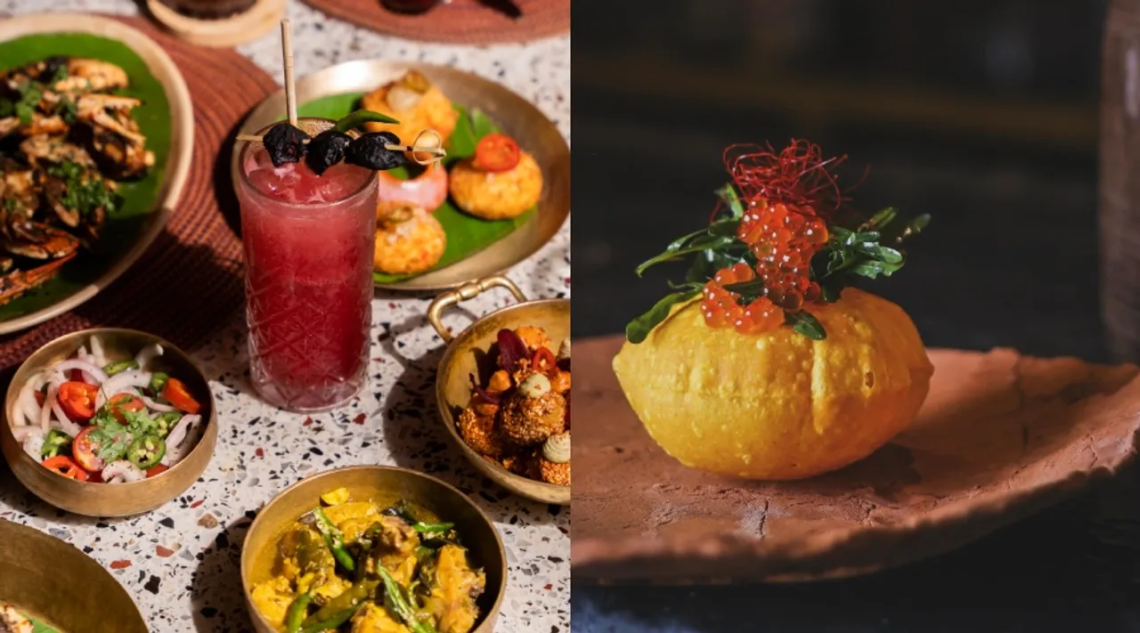
Let’s be honest—eating out is a lot different today than it was just a few years ago. Restaurants are no longer just spaces where we walk in, sit down, eat a meal, and leave. They have evolved into our secondary living rooms, social hubs, workspaces, celebration grounds, and—whether we like to admit it or not—backdrops for our content creation.
Think about the routine of an ordinary dinner date or a casual weekend lunch. Long before your fork ever touches a plate, your digital journey has already begun. You are scrolling through highly visual menus, reading reviews from complete strangers, looking at photos of the interior design to check the vibe, and using an app to secure a table. When you finally arrive, the design of the dining room, the friendliness of the staff, and how the food is plated all play into a collective experience.
The baseline reality of the hospitality industry is that the modern customer expects far more than just a delicious plate of food. We want a seamless blend of convenience, exceptional quality, genuine comfort, and lasting memories.
To meet these shifting demands, the culinary world is experiencing an era of rapid, highly creative innovation. Chefs and owners are rethinking everything from ingredient sourcing to how they interact with technology. If you consider yourself a true food lover, understanding these fundamental structural shifts will change how you discover, enjoy, and appreciate dining out.
The Elevation of Health: Wellness Without Compromise

There was a time when choosing the “healthy option” at a traditional restaurant felt like a severe punishment. You were usually left with a bland, uninspired house salad or a dry piece of grilled chicken with unseasoned vegetables while everyone else at the table enjoyed rich, complex dishes.
Thankfully, that era is entirely behind us. Today, a massive wave of health consciousness is directly reshaping culinary philosophy. Dinners are increasingly mindful of what they put into their bodies, paying careful attention to ingredient quality, nutritional value, and how a meal makes them feel long after they have paid the check.
[Old Dining Mindset]
Healthy = Boring, Restrictive, Bland ──► Sacrificing Flavor for Fitness
[Modern Dining Mindset]
Healthy = Complex, Creative, Fresh ──► Culinary Innovation via Whole Foods
Instead of treating dietary requirements or wellness preferences as an afterthought, top-tier kitchens are making them the main event. Chefs are utilizing advanced culinary techniques to balance deep, satisfying flavors with high nutritional profiles. Think house-fermented ingredients that support gut health, cold-pressed vegetable reductions replacing heavy cream sauces, and menus rich in vibrant, whole-food plant-based options.
We are seeing a massive surge in high-protein, clean-eating options designed for performance and longevity that do not compromise on taste. These dishes use globally inspired spices, complex texturing, and creative cooking methods to prove that eating for wellness can be an absolute luxury.
Seamless Tech: The Invisible Infrastructure of Convenience

Technology in a dining room can be a delicate balancing act. When implemented poorly, it can feel cold, frustrating, and incredibly robotic. But when done right, it acts as an invisible assistant that removes the friction points of dining out, allowing you to focus entirely on the food and the company.
The era of struggling to catch a busy server’s eye just to ask for another round of drinks or waiting fifteen minutes for a paper bill to arrive is coming to an end. Modern dining spaces are using sophisticated digital tools to hand the control entirely back to the customer.
- Tailored Ordering: Intuitive digital menus allow guests to effortlessly view detailed ingredient transparency, map allergen profiles, and deeply customize their orders in real-time.
- Frictionless Checkout: Contactless payments, digital wallets, and instant split-billing systems mean that wrapping up a meal with a large group of friends is entirely stress-free.
- Integrated Rewards: Smart loyalty platforms recognize returning guests seamlessly, curating personalized perks and unique offers based on their actual dining history without requiring clunky physical punch cards.
For restaurant operations, these integrated systems minimize human error, optimize kitchen pacing, and cut down table turnover times. For the diner, it simply means less waiting around and a much smoother, more relaxed experience from start to finish.
Radical Sustainability: Conscious, Closed-Loop Kitchens
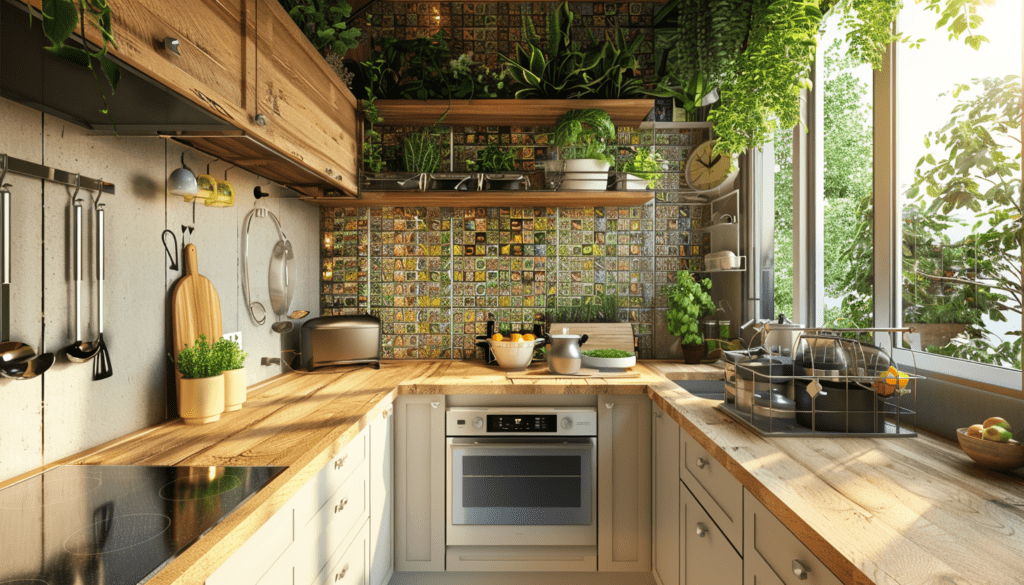
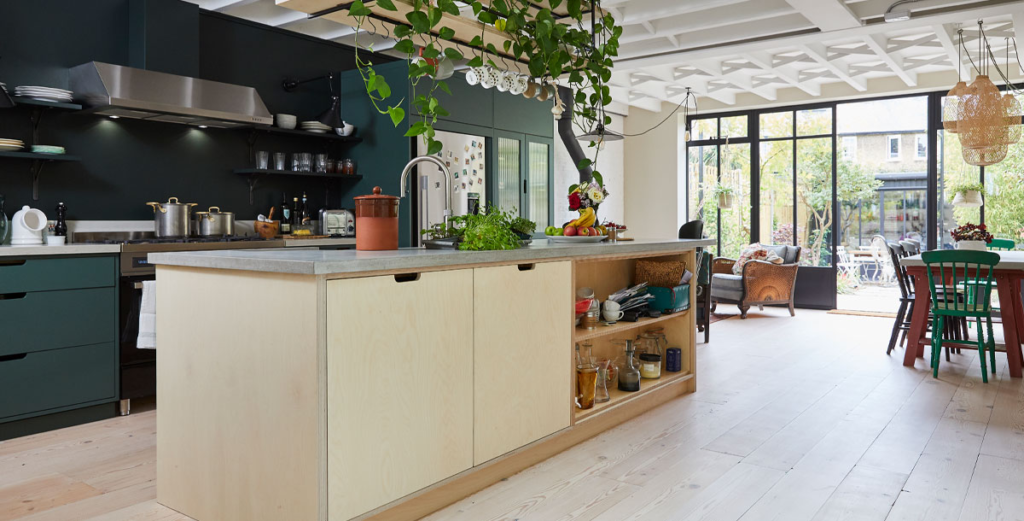
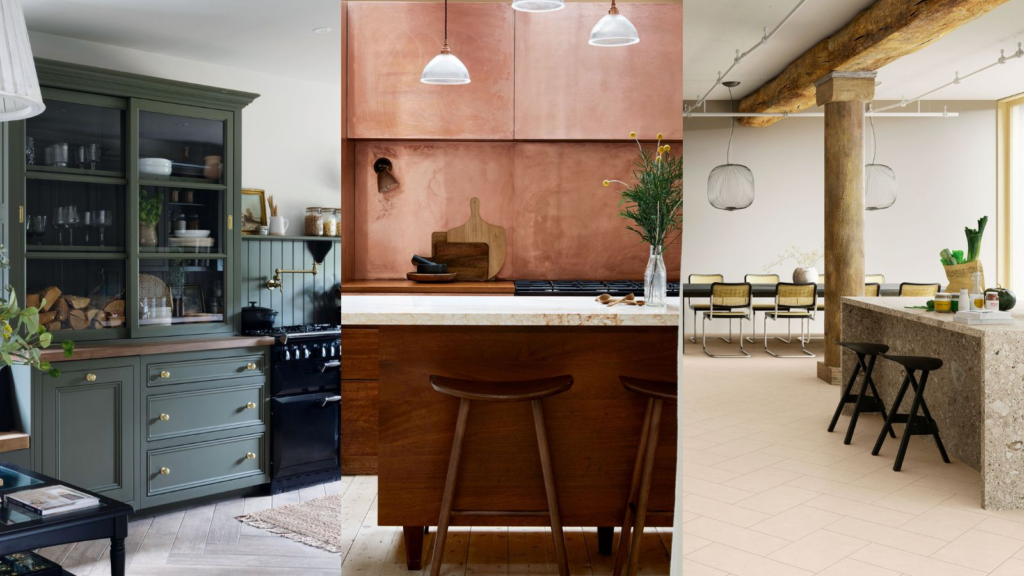
Sustainability is no longer a corporate buzzword or a minor marketing slogan printed on the back of a napkin; it has become a core requirement for modern hospitality. Today’s diners are highly perceptive and want to support establishments whose ethical values align with their own.
This demand has pushed restaurants to look deep into their supply chains and operational footprints. The result is a beautiful movement toward hyper-local sourcing and radical waste reduction.
[Traditional Supply Chain]
Global Sourcing ──► High Carbon Footprint ──► Long Storage ──► Reduced Freshness
[Sustainable Supply Chain]
Hyper-Local Farms ──► Minimal Transit ──► Kitchen to Plate ──► Peak Flavor Profile
Kitchens are partnering directly with nearby small-scale regenerative farms, urban gardens, and local foragers. This doesn’t just cut down on massive shipping emissions; it directly influences the plate. When ingredients only travel a few miles from the soil to the kitchen, they retain an intense, vibrant freshness that imported produce simply cannot replicate.
Furthermore, we are seeing the rise of “zero-waste” culinary mentalities. Chefs are finding incredibly innovative ways to use every single part of an ingredient—transforming vegetable trimmings into rich, umami-packed broths, or using citrus peels to create house-infused syrups for craft cocktails. From biodegradable, plant-based packaging to a complete ban on single-use plastics, restaurants are proving that exceptional food does not have to come at the expense of our planet.
Experiential Dining: Transforming Meals into Lasting Memories
Let’s face it: you can order an incredible meal delivered directly to your couch with a few taps on your smartphone. Because convenience at home is at an all-time high, the justification for leaving the house and dining out has shifted. People are looking for experiences that cannot be packed inside a cardboard delivery box.
This has triggered a major boom in experiential dining. Restaurants are transforming their physical spaces into highly interactive worlds where the journey is just as important as the destination.
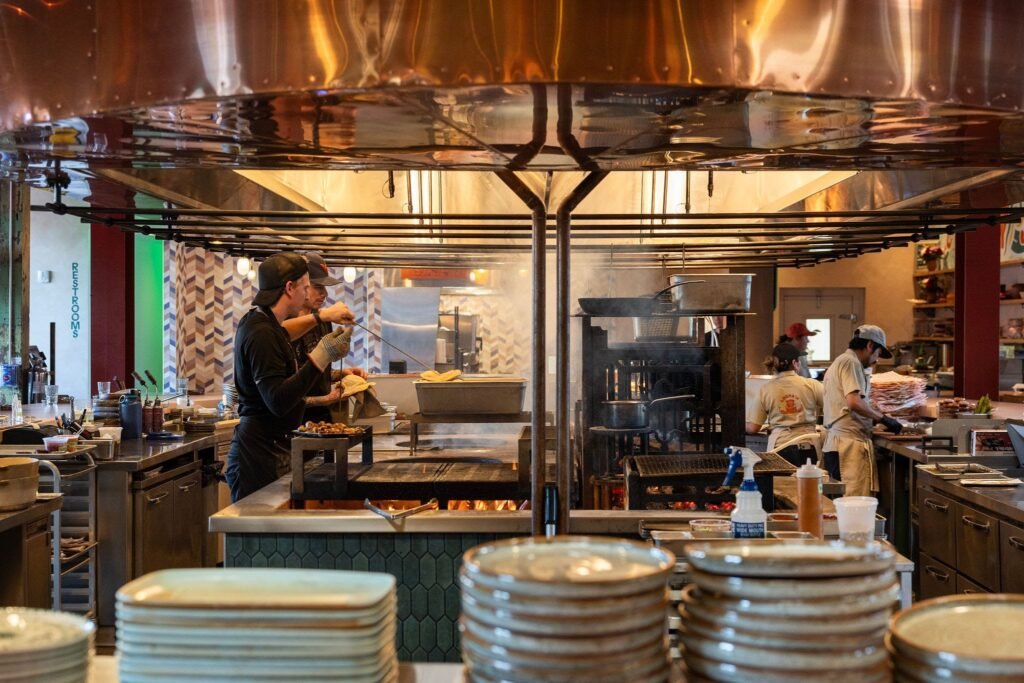
The theater of modern experiential dining rooms. Source: Myung J. Chun / Los Angeles Times via Getty Images
The concept of the open kitchen has expanded into a full-blown theatrical production. Diners are actively seeking out counter seating wrapped around open hearths, wood-fired grills, and delicate prep stations where they can watch the intense choreography of a professional kitchen up close.
We are seeing a rise in deep chef-to-customer interactions, customized multi-course tasting menus narrated by the culinary team, beautifully curated live acoustic sessions, and sensory-driven themed interior designs. These immersive environments are naturally highly visual, encouraging guests to capture and share their experiences on social platforms, which keeps the dining community constantly inspired.
Weighing the Balance: Navigating the Nuances of Modern Dining
As the industry pushes forward with these major innovations, it introduces a unique set of real-world advantages and challenges that directly affect our experiences and our wallets.
On the positive side, the absolute quality of the customer experience has reached incredible heights. Having access to transparent, nutritionally dense food options means we can enjoy regular social dining while strictly maintaining our personal wellness goals. The integration of smart technology has saved us countless hours of unnecessary waiting, making a night out far more efficient and relaxing. At the same time, the industry’s widespread commitment to eco-friendly practices allows us to support local agricultural networks and reduce our environmental footprint.

However, these major updates do come with distinct trade-offs. Transitioning to premium, organic, and locally sourced ingredients naturally drives up food costs, which is reflected directly in menu pricing. Implementing state-of-the-art tech stacks, advanced air-filtration systems, and sustainable infrastructure requires ongoing, expensive maintenance that can put a heavy strain on small, independent businesses.
Additionally, an over-reliance on digital interfaces can sometimes accidentally strip away the warm, organic human connection that makes classic hospitality feel so special. Finally, because consumer trends shift so incredibly fast, some establishments risk losing their core culinary identity if they constantly chase every single viral wave.
Pros and Cons of Modern Restaurant Trends
| Pros | Cons |
| Better customer experiences | Some upgrades increase operating costs |
| More healthy food choices | Premium ingredients may raise prices |
| Faster and more convenient service | Technology requires ongoing maintenance |
| Environmentally friendly practices | Sustainability efforts can be expensive |
| Stronger customer engagement | Trends can change quickly |
FAQs
1. What are the biggest restaurant trends in 2026?
Health-focused menus, technology integration, sustainability, and personalized dining experiences are among the biggest trends.
2. Why are restaurants offering more healthy menu options?
Customers are becoming more health-conscious and want nutritious choices alongside traditional favorites.
3. How is technology improving restaurant experiences?
Technology makes ordering, reservations, and payments faster and more convenient for customers.
4. Why is sustainability important in restaurants?
Sustainability helps reduce environmental impact while meeting growing customer expectations.
5. What makes a restaurant stand out today?
Great food, excellent service, unique experiences, and convenience all contribute to a restaurant’s success.