
Let’s be honest for a second: the pace at which the global Industry market is moving right now feels equal parts exciting and dizzying.
Just a few short years ago, “digital transformation” meant getting your company a decent mobile app, putting your files on the cloud, and running Facebook ads. Today? The conversation has completely shifted. In 2026, real business expansion isn’t just about opening up shop in a new city or spamming social media. It’s about building smarter systems, embracing artificial intelligence responsibly, slashing carbon footprints, and surviving an increasingly complex digital landscape.
Whether you run a business, manage a team, invest your savings, or just want to make sure your career path doesn’t go extinct in the next five years, understanding where capital and human effort are flowing is essential.
You don’t need a crystal ball or a degree in computer science to stay ahead. You just need to know where the money is going and why. Here is a grounded, unfiltered look at the 10 biggest industry expansion trends shaping 2026—and what they mean for your wallet, your business, and your career.
The 10 Big Trends Driving Growth in 2026
                     [ 2026 Market Drivers ]
                                |
     +--------------------------+--------------------------+
     |                          |                          |
[ Intelligence & Ops ]    [ Infrastructure & Risk ]   [ Human-Centric Systems ]
  • Practical AI           • Green Tech & Energy       • Digital Healthcare
  • Smart Logistics        • Next-Gen Cybersecurity    • Next-Level Fintech
  • Automated Factories    • E-Commerce 2.0            • Flexible Work Culture
1. Artificial Intelligence: From “Shiny Toy” to Daily Engine
Remember when AI was mostly used to generate quirky images or write silly poems? Those days are long gone. In 2026, artificial intelligence has settled into its real role: the invisible operational engine powering modern business.
Companies are no longer using AI just to experiment; they are deploying specialized, smaller AI models to handle specific, time-consuming tasks.
- In customer service: AI agents resolve complex shipping disputes in real time without human hand-offs.
- In legal and finance: Document analysis tools read 50-page contracts in three seconds, highlighting hidden liability risks before a lawyer even opens the file.
- In marketing: Content engines analyze live buyer sentiment and tweak ad creatives on the fly.
The Human Take: AI isn’t going to take every single job overnight, but a professional using AI will almost certainly replace a professional who refuses to learn it.
2. The Clean Tech & Energy Transition Pivot

Clean energy is no longer just about feeling good or putting a cute green leaf logo on your website’s homepage. It’s about cold, hard economics and operational survival.
With energy costs fluctuating worldwide, businesses are aggressively adopting solar microgrids, advanced battery storage, and smart energy management systems to cut overhead costs. Electric vehicle (EV) fleets, recycled material supply chains, and low-emissions manufacturing are moving from niche “eco-friendly” options to mainstream industry standards.
Furthermore, big corporate clients are forcing their suppliers to report on carbon emissions. If you run a small business wanting to partner with a Fortune 500 company in 2026, having a verifiable clean energy plan is practically a requirement to win the contract.
3. Digital Health Moves from “Convenience” to Necessity
Healthcare has historically been notoriously slow to change, but the dam has broken. Modern healthcare tech isn’t just about booking a doctor’s visit on your phone—it’s about predictive, continuous care.
Consumer wearables, smart monitors, and remote diagnostic platforms now track vitals in real time, alerting doctors before a chronic condition turns into an emergency room visit. AI assists radiologists in spotting microscopic anomalies in scans that the human eye might miss.
For patients, healthcare is finally becoming personalized, proactive, and accessible from the living room sofa.
4. Cybersecurity Upgrades to “Zero-Trust” Realities
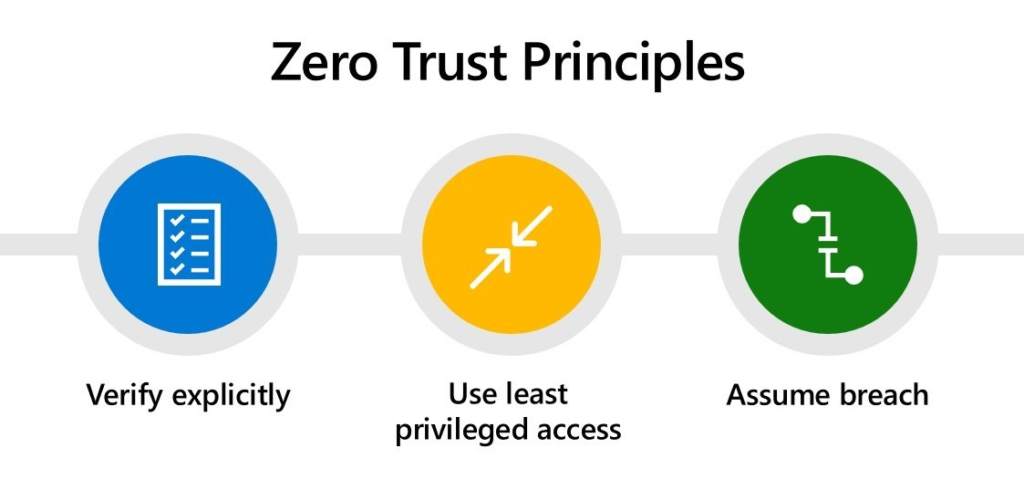
As companies migrate every single scrap of their operations to the cloud, cybercriminals have gotten significantly smarter. Phishing scams are no longer poorly written emails from fake princes—they are sophisticated, AI-generated, voice-cloned attacks that can fool even tech-savvy executives.
Because of this, cybersecurity in 2026 is no longer an IT afterthought. Businesses are implementing Zero-Trust Architecture (an operating model where nobody inside or outside the network is trusted by default).
Companies are heavily investing in identity protection, biometric access, cloud defense systems, and automated threat-blocking tools that isolate breached servers in milliseconds. If you are launching a digital business today, cybersecurity has to be built into your foundation on day one.
5. E-Commerce 2.0: Shopping Gets Hyper-Personal
The old way of running an online store—setting up a static website, slapping up a few product photos, and waiting for buyers—is effectively dead.
E-commerce in 2026 is deeply integrated into social feeds, messaging apps, and immersive media. “Social commerce” allows users to discover, try on (via augmented reality), and buy products without ever leaving their favorite video apps.
At the same time, AI-driven recommendation engines have gotten freakishly accurate. Instead of showing you generic trending items, online retailers curate real-time storefronts tailored specifically to your budget, style preference, and past browsing habits.
6. Fintech Meets “Embedded Finance”
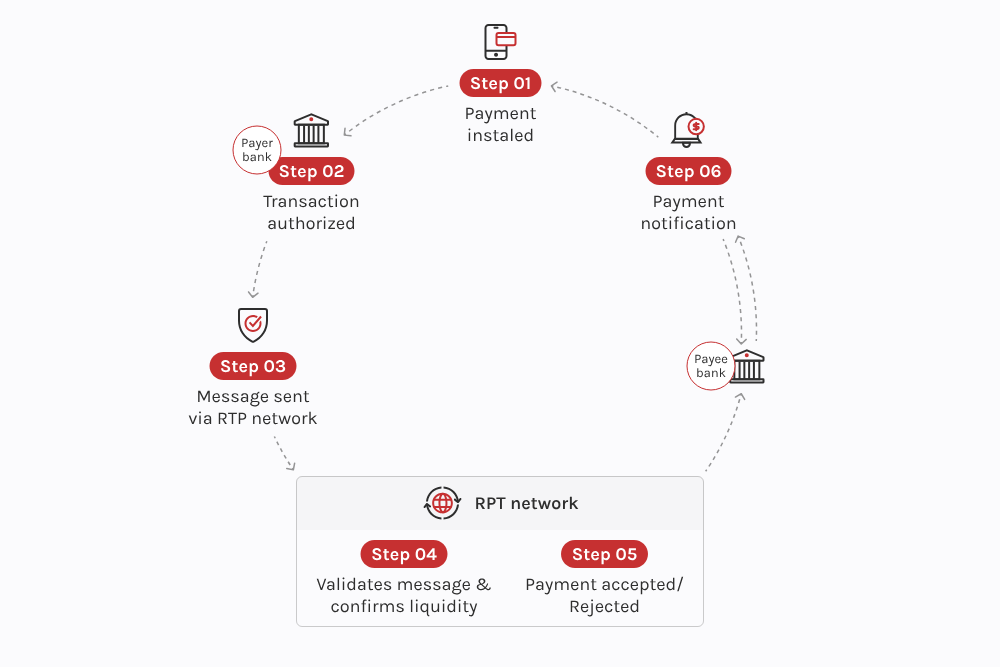
Financial technology is no longer just about challenger banks or payment apps like PayPal and Paytm. In 2026, the biggest trend in fintech is embedded finance—integrating banking, lending, and payment systems directly into non-financial apps.
- When you buy a couch online and split it into four interest-free payments at checkout without filling out a credit form—that’s embedded fintech.
- When a ride-sharing app instantly pays a driver their earnings directly into a digital wallet the moment a trip ends—that’s embedded fintech.
By removing the friction of traditional banking, businesses across every sector are finding new ways to monetize customer relationships and streamline cash flow.
7. Smart Manufacturing & “Industry 4.0”
Walk into a modern manufacturing plant in 2026, and you’ll notice something immediately: it’s quieter, cleaner, and far more data-driven than the factories of the past.
Automated assembly robotics, IoT (Internet of Things) sensors, and predictive maintenance software have changed factory floors forever. Sensors placed inside heavy machinery track heat, vibration, and wear, alerting engineers that a part is about to break weeks before an actual breakdown stops production.
This isn’t about eliminating human workers entirely—it’s about pairing skilled technicians with smart machinery to increase safety, reduce waste, and build products faster.
8. The Logistics & “Last-Mile” Revolution
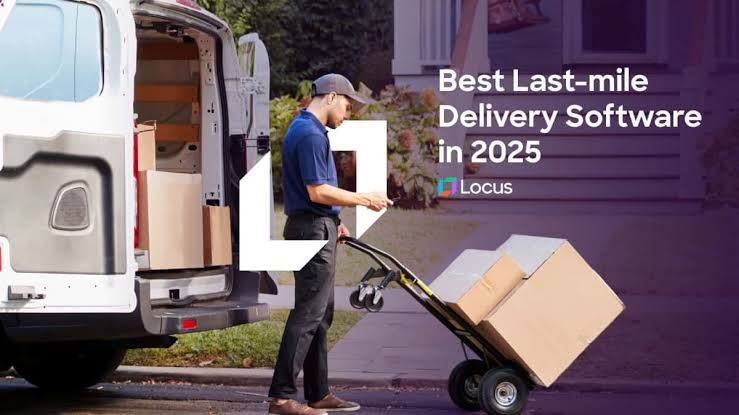
We live in an instant-gratification economy. When a customer orders a package online, waiting five to seven business days feels like an eternity. To keep up, the logistics and supply chain industry is undergoing a massive overhaul.
Logistics companies are deploying automated sorting hubs, micro-fulfillment centers located right inside major suburban areas, and smart route-optimization software that cuts fuel usage while speeding up deliveries.
Behind every simple “Your package is arriving today” notification is a high-tech web of algorithms working around the clock to make sure warehouse inventories match neighborhood demand.
9. Hybrid Work Matures into Strategic Operations
The frantic panic of shifting employees to remote work is long behind us. In 2026, companies have stopped arguing over whether remote work “works” and have focused on making flexible operations sustainable.
Businesses are adopting asynchronous communication strategies, cloud-based project hubs, and performance metrics based on actual output rather than hours logged sitting at a desk.
However, leaders are also learning that remote work requires intentional human effort. The companies thriving right now are those balancing flexible schedules with regular, high-impact in-person retreats, team-building sessions, and strong mental health support systems.
10. Practical Personalization & Customer Ownership
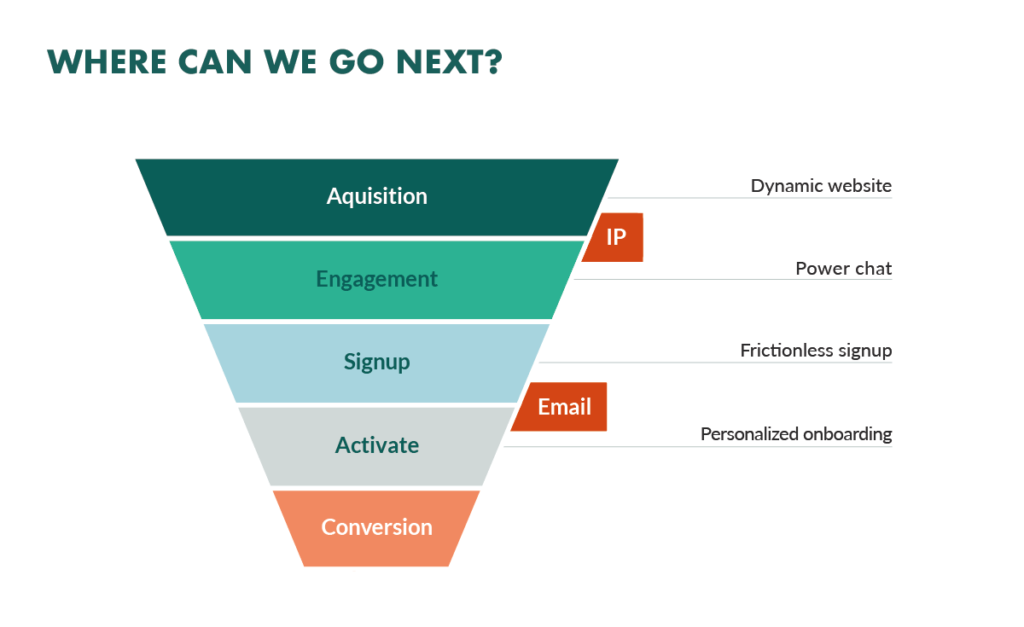
Consumers are suffering from digital fatigue. We are bombarded with hundreds of generic ads, automated promotional texts, and spam emails every single day.
As a result, businesses that succeed in 2026 are shifting toward deep, authentic personalization. They aren’t just spamming customers with “Hey [FIRST_NAME]” emails; they are utilizing zero-party data (information customers willingly share) to deliver genuinely helpful product recommendations, tailored educational content, and high-value loyalty perks.
When personalization feels helpful instead of creepy, customer loyalty skyrockets.
2026 Expansion Cheat Sheet: Real-World Business Impact
| Industry Sector | What’s Driving Growth Right Now? | What It Means for Businesses | What It Means for Job Seekers & Professionals |
| Artificial Intelligence | Specialized LLMs, operational workflow automation | Massive efficiency gains; lower overhead for mundane admin tasks | High demand for “AI literacy,” prompt engineering, and process design |
| Clean Technology | Corporate ESG mandates, rising energy costs | Lower long-term utility bills; access to sustainability-focused capital | Boom in renewable energy installation, environmental auditing, and green engineering |
| Cybersecurity | AI-powered phishing, cloud vulnerability, Zero-Trust mandates | High risk if ignored; mandatory security integration on all software | Perpetual job security for security analysts, ethical hackers, and compliance experts |
| Digital Healthcare | Wearable tech, predictive diagnostics, remote patient monitoring | Lower hospital stay costs; shift toward subscription-based health platforms | Rapid growth in health-tech management, telemedicine support, and medical data analysis |
| Fintech | Embedded finance, instant cross-border payments | Higher checkout conversion rates; new financial revenue streams | Opportunities in product management, fraud prevention, and API development |
| Smart Logistics | Demand for same-day delivery, micro-fulfillment hubs | Reduced shipping errors; faster regional inventory turnaround | High demand for supply chain analysts, warehouse automation tech, and fleet managers |
How to Position Yourself for Success in 2026
Whether you run a company or are looking to advance your career, standing still in 2026 is the fastest way to fall behind. Here is how to practically apply these trends:
For Business Owners & Founders
- Stop Chasing Every Trend: Don’t throw AI into your product just to put a badge on your homepage. Ask yourself: “Does this tech actually save my customer time, or does it save my team money?” If the answer is no, skip it.
- Audit Your Security & Cloud Stack: A single data breach can bankrupt a small-to-medium business. Treat security as a fundamental core cost, not a luxury.
- Focus on Customer Retention: Acquiring new customers in 2026 is expensive due to ad costs. Double down on loyalty programs, personalized experiences, and excellent support to keep the clients you already have.
For Professionals & Job Seekers

- Combine Tech Skills with “Human” Skills: Robots and algorithms are fantastic at analyzing spreadsheets, but they can’t negotiate a tough contract, inspire an anxious team, or empathize with a frustrated client. Pair basic digital literacy with strong communication, leadership, and critical thinking.
- Become “AI-Assisted”: Learn how to use modern productivity tools to double your personal work output. If you can do in two hours what used to take eight, you become invaluable to any team.
- Keep an Eye on Growth Sectors: If you’re looking to switch careers, pivot toward sectors benefiting from heavy capital investment—such as clean energy, healthcare tech, supply chain management, and cybersecurity.
FAQs
Which industry is expanding the fastest in 2026?
Artificial Intelligence software integration, cybersecurity, clean energy infrastructure, and digital health technology continue to show the highest year-over-year capital investment and job growth.
Do I need a technical degree to get a job in growing tech industries?
Not necessarily! While technical roles (like software engineering and data science) are high in demand, growing tech companies urgently need project managers, sales professionals, operations experts, technical writers, and customer success specialists who understand human relationships.
Is traditional brick-and-mortar retail dying because of e-commerce?
No, but it is changing. Successful physical stores in 2026 act as “experience hubs” or micro-fulfillment centers where customers can try products in person, pick up online orders instantly, or engage with a brand directly.
How can a small business leverage AI without a massive budget?
Start simple. Use existing, low-cost SaaS (Software as a Service) platforms that have built-in AI tools for drafting email responses, automating social media scheduling, analyzing basic sales spreadsheets, or managing customer support tickets.