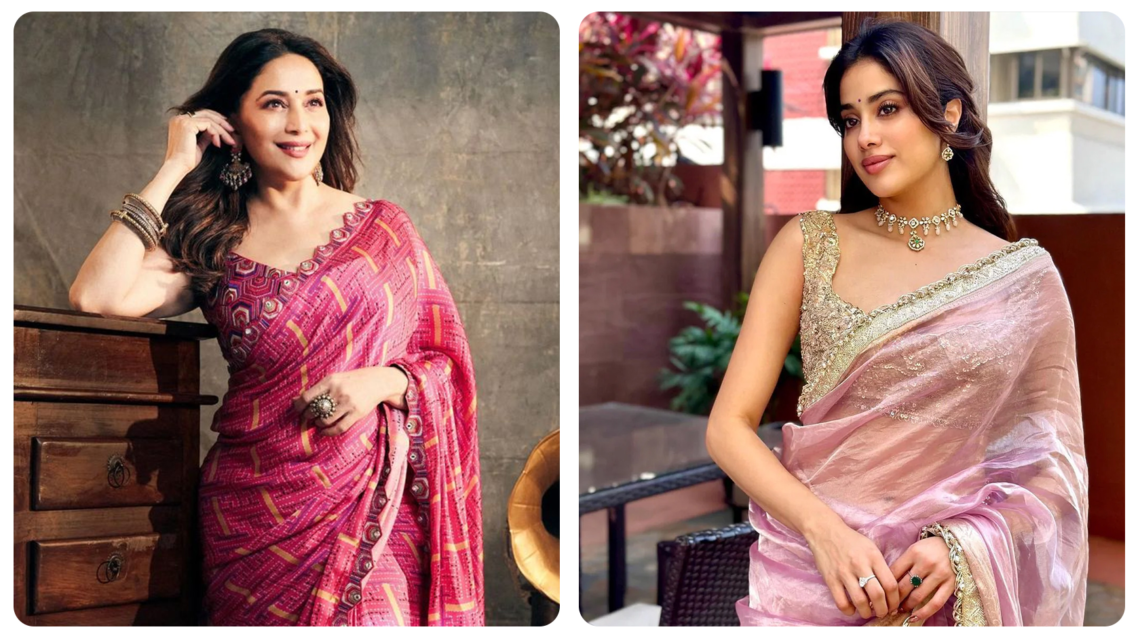
Fashion is constantly evolving, but some styles never lose their charm. Traditional fashion is one of the best examples of how culture, history, and craftsmanship continue to influence modern wardrobes. Across the world, designers are blending heritage-inspired clothing with contemporary trends, creating outfits that celebrate tradition while meeting today’s fashion preferences. In 2026, traditional fashion is experiencing a strong revival, with people embracing handcrafted fabrics, timeless silhouettes, and cultural designs for both everyday wear and special occasions.
Whether it’s elegant sarees from India, colorful kimonos from Japan, embroidered Mexican dresses, African prints, or Scottish tartans, traditional clothing reflects the identity and heritage of different cultures. Today, these classic styles are no longer limited to festivals or ceremonies. They are becoming an important part of everyday fashion, inspiring designers, influencers, and fashion enthusiasts worldwide.
This guide explores the top traditional fashion trends of 2026 and explains why they continue to inspire the global fashion industry.
The Growing Popularity of Traditional Fashion
Traditional clothing tells a story. Every stitch, fabric, and pattern often carries historical and cultural significance that has been passed down through generations. As consumers become more interested in authenticity and craftsmanship, traditional fashion is gaining recognition for its uniqueness and timeless appeal.
Many people are moving away from fast fashion and choosing garments that have cultural value, exceptional quality, and longer-lasting designs. This growing appreciation for heritage fashion has encouraged designers to reinterpret traditional clothing for modern lifestyles.
Handcrafted Fabrics Are Making a Comeback
One of the biggest fashion trends in 2026 is the return of handcrafted textiles.
Handwoven cotton, silk, linen, wool, and naturally dyed fabrics are becoming increasingly popular because they showcase skilled craftsmanship and sustainable production methods.
Consumers appreciate clothing made using traditional weaving and embroidery techniques because each piece feels unique rather than mass-produced.
Supporting handcrafted fashion also helps preserve local artisan communities and centuries-old textile traditions.
Modern Designs with Traditional Inspiration
Fashion designers are successfully blending traditional elements with contemporary styles.
Classic embroidery, heritage prints, and cultural patterns now appear on jackets, dresses, shirts, trousers, and accessories designed for everyday wear.
Instead of completely traditional outfits, many people combine ethnic garments with modern clothing to create stylish fusion looks.
For example, embroidered jackets paired with jeans or traditional scarves worn with casual outfits have become popular fashion choices around the world.
Sustainable Fashion Supports Traditional Clothing
Sustainability continues shaping the fashion industry.
Traditional clothing often uses natural fibers, handmade production methods, and locally sourced materials that reduce environmental impact compared to mass-produced fashion.
Many shoppers now prefer investing in high-quality garments that last for years instead of frequently replacing inexpensive clothing.
Choosing traditional fashion supports sustainable practices while encouraging responsible consumer habits.
Traditional Embroidery Remains Timeless
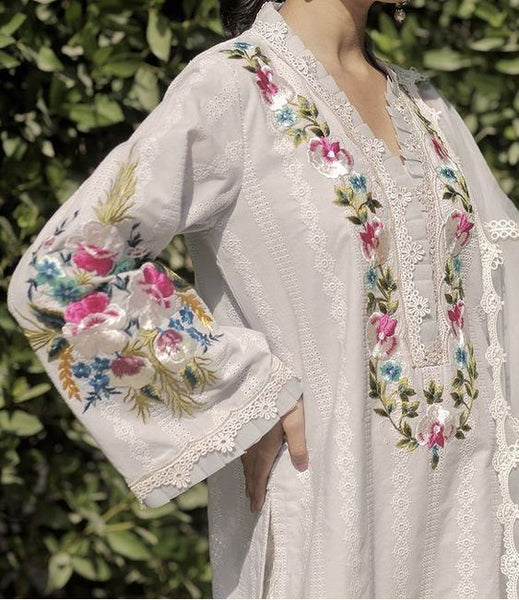
Embroidery continues to be one of the defining features of traditional fashion.
Intricate floral patterns, geometric designs, handcrafted stitching, and decorative embellishments add elegance and individuality to garments.
Designers increasingly incorporate embroidered details into modern dresses, shirts, handbags, shoes, and accessories.
These handcrafted details celebrate cultural heritage while adding sophistication to contemporary fashion.
Cultural Fashion on Global Runways
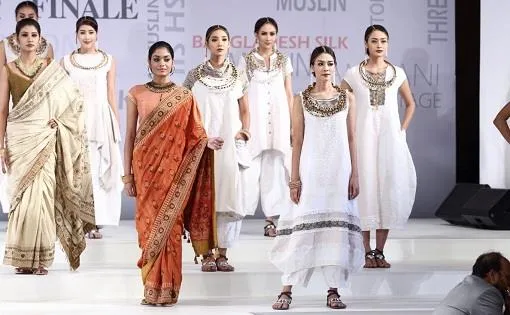
Fashion weeks around the world increasingly showcase collections inspired by traditional clothing.
Designers celebrate cultural diversity by incorporating indigenous textiles, heritage prints, regional embroidery, and traditional tailoring into luxury fashion collections.
Rather than copying cultural clothing, many brands now collaborate directly with local artisans to create authentic and respectful designs.
These partnerships help preserve traditional craftsmanship while introducing global audiences to cultural fashion.
Traditional Accessories Complete the Look
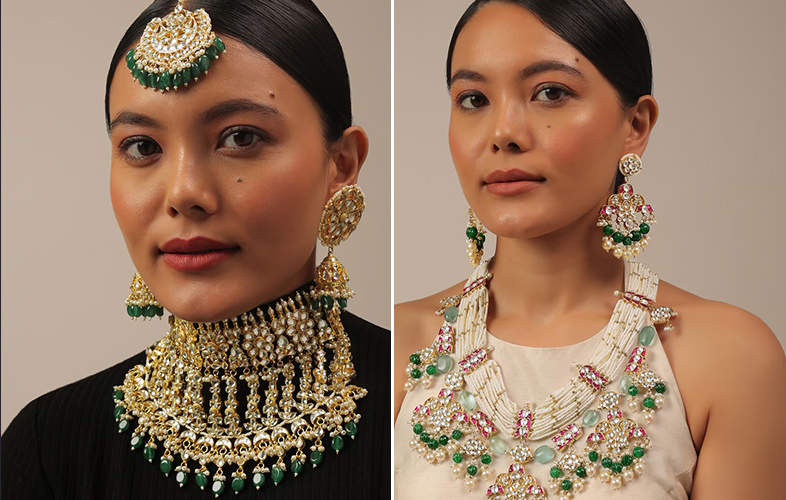
Accessories play an important role in traditional fashion.
Handmade jewelry, embroidered handbags, woven belts, scarves, traditional footwear, and artisan-crafted accessories allow people to add cultural touches without wearing complete traditional outfits.
These accessories pair easily with both ethnic and western clothing, making them practical for everyday use.
Many handcrafted accessories also support local artists and small businesses.
Traditional Fashion for Special Occasions
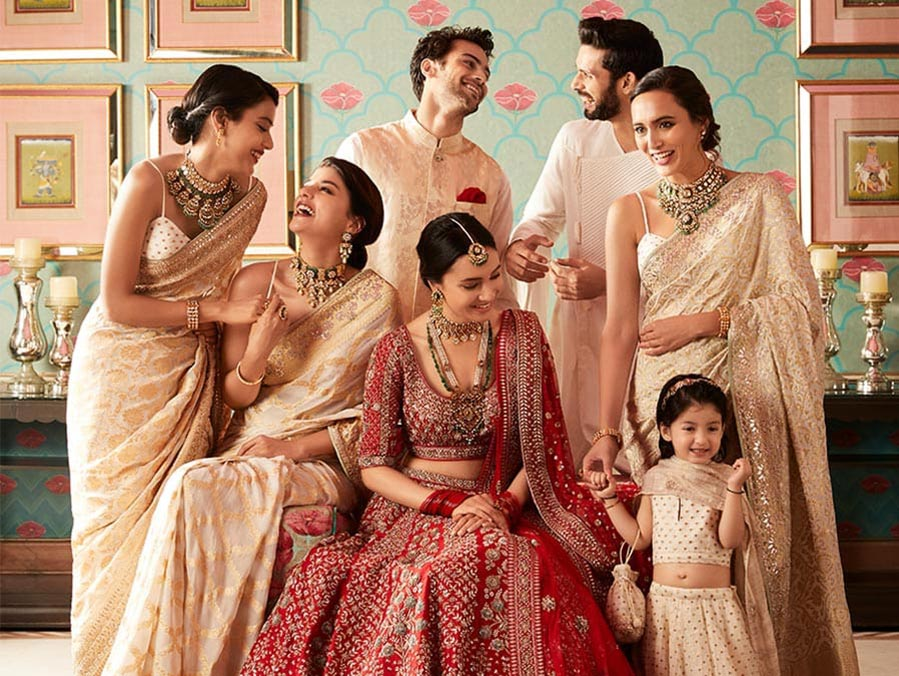
Traditional clothing remains the preferred choice for weddings, religious ceremonies, festivals, and family celebrations.
Elegant sarees, lehengas, sherwanis, kimonos, hanboks, cheongsams, kaftans, dirndls, and other cultural garments continue representing pride, identity, and celebration.
Many younger generations now personalize these outfits by incorporating modern cuts, lightweight fabrics, and contemporary styling while maintaining traditional elegance.
Comfort Meets Style
Modern consumers value comfort alongside appearance.
Traditional clothing is increasingly designed using lightweight fabrics, breathable materials, and relaxed silhouettes that suit everyday lifestyles.
Many brands offer simplified versions of classic garments that maintain cultural aesthetics while improving practicality for work, travel, and casual outings.
Comfort has become an essential part of modern traditional fashion.
Social Media Inspires Cultural Fashion
Fashion influencers and content creators have played an important role in the revival of traditional clothing.
Through social media platforms, creators showcase styling ideas, explain cultural significance, and introduce global audiences to regional fashion traditions.
These platforms encourage appreciation for diverse cultures while inspiring younger generations to embrace their heritage with confidence.
Fashion tutorials, styling videos, and cultural storytelling continue expanding interest in traditional fashion worldwide.
Traditional Fashion Around the World
Every country offers unique clothing traditions that continue influencing global fashion.
Indian sarees and kurtas remain admired for their elegance and versatility.
Japanese kimonos inspire minimalist silhouettes and luxurious fabrics.
African prints are celebrated for their vibrant colors and bold patterns.
Scottish tartans continue appearing in modern jackets and skirts.
Mexican embroidered dresses showcase detailed craftsmanship and colorful artistry.
Middle Eastern kaftans combine comfort with sophisticated design.
These examples demonstrate how cultural clothing continues enriching international fashion.
Tips for Wearing Traditional Fashion
Choosing traditional clothing begins with understanding its cultural significance.
Select garments that fit comfortably and suit the occasion.
Experiment by combining traditional pieces with modern basics for a balanced appearance.
Support authentic artisans whenever possible instead of purchasing imitation products.
Proper care and storage also help preserve delicate fabrics and embroidery for many years.
Respecting the history behind traditional clothing adds greater meaning to every outfit.
The Future of Traditional Fashion
Traditional fashion will continue evolving as designers combine innovation with heritage.
Digital fashion technology, sustainable materials, and artisan collaborations are creating exciting opportunities for preserving cultural craftsmanship while meeting modern consumer expectations.
Younger generations increasingly appreciate clothing that tells meaningful stories rather than simply following short-lived fashion trends.
As interest in cultural identity, sustainability, and ethical production grows, traditional fashion is expected to remain an important part of the global fashion industry for years to come.
Frequently Asked Questions
1. What is traditional fashion?
Traditional fashion refers to clothing, fabrics, and accessories that reflect the cultural heritage, customs, and history of a particular region or community.
2. Why is traditional fashion becoming popular again?
People are increasingly valuing sustainable clothing, handcrafted quality, cultural identity, and timeless styles, making traditional fashion more appealing than fast-fashion alternatives.
3. Can traditional clothing be worn every day?
Yes. Many modern designs combine traditional elements with contemporary styles, making them comfortable and suitable for casual, professional, and formal occasions.
4. How can I support traditional fashion?
Purchase authentic handmade products from local artisans, choose ethically made garments, learn about the cultural significance of traditional clothing, and care for these pieces properly to extend their lifespan.