
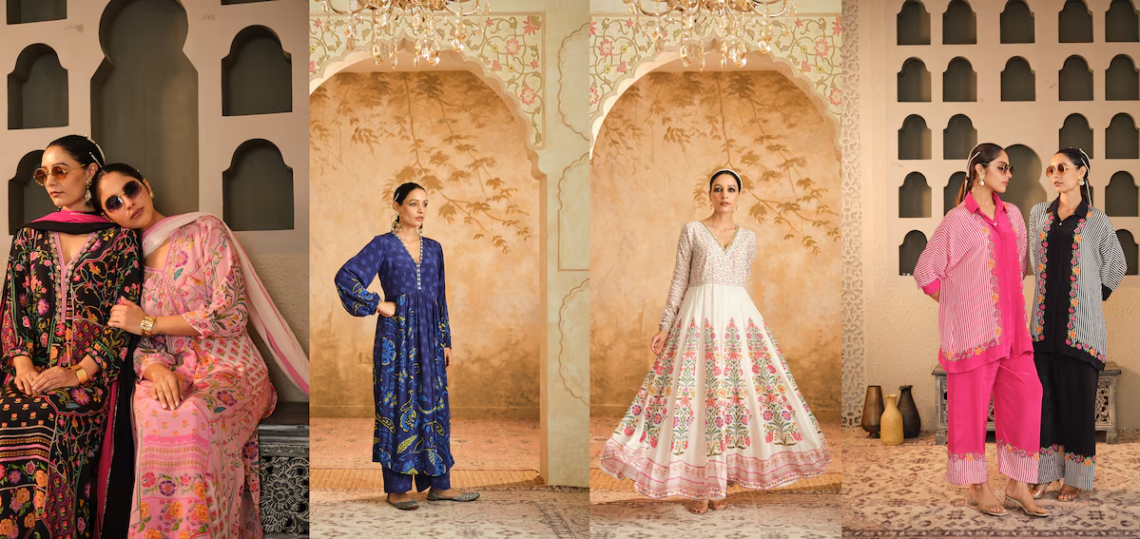
Let’s be completely honest for a moment: opening a wardrobe packed with vibrant silk sarees, crisp linen kurtas, and heavily embroidered lehengas hits completely differently than looking at a row of standard Western clothes. There is an undeniable, deep-rooted emotional magic woven straight into traditional Indian wear. It isn’t just fabric stitched together to cover your body; it is a gorgeous, living celebration of centuries-old heritage, regional craftsmanship, and deep family traditions. The moment you wrap a saree around your shoulder or slip into a perfectly tailored sherwani, your entire posture changes—you instantly stand a little taller, move a little more gracefully, and feel deeply connected to your roots.
There is a huge misconception out there that ethnic outfits are stiff, outdated, and only meant to be dusted off for major family weddings. As we navigate the fashion landscape of 2026, the modern ethnic wardrobe has experienced a massive, beautiful revolution. Today’s top Indian designers are successfully breaking all the old rules by blending timeless handloom weaves with hyper-comfortable, minimalist Western silhouettes. Whether you are a college student trying to stay cool during summer exams, a busy corporate professional looking for an elegant office outfit, or a bride mapping out a dream wedding trousseau, Indian fashion offers an endless playground of style. Let’s sit down and take an honest look at how to master traditional Indian wear for absolutely every occasion without losing your personal comfort.
The Importance of Traditional Indian Wear
To truly appreciate the depth of an ethnic outfit, you have to look past the surface glamour and understand its profound cultural and emotional heartbeat. Every single thread, dye pattern, and embroidery style tells a local story.
[Raw Natural Silk/Cotton] ──► Local Artisan Craftsmanship ──► Rich Cultural Pride & Identity
In a world that is rapidly being flattened by mass-produced, copy-paste fast fashion trends, traditional Indian clothing serves as a powerful anchor for personal identity. Wearing ethnic clothing during sacred festivals, religious pujas, and family gatherings creates an instant, beautiful sense of belonging and community pride. These garments carry the soul of the country’s rich textile geography—from the royal courts of Varanasi to the dusty block-printing villages of Rajasthan. When you invest in a handcrafted ethnic piece, you aren’t just buying clothes; you are actively preserving an ancient lineage of human artistry and passing it forward to the next generation.
Why Traditional Indian Wear Never Goes Out of Style
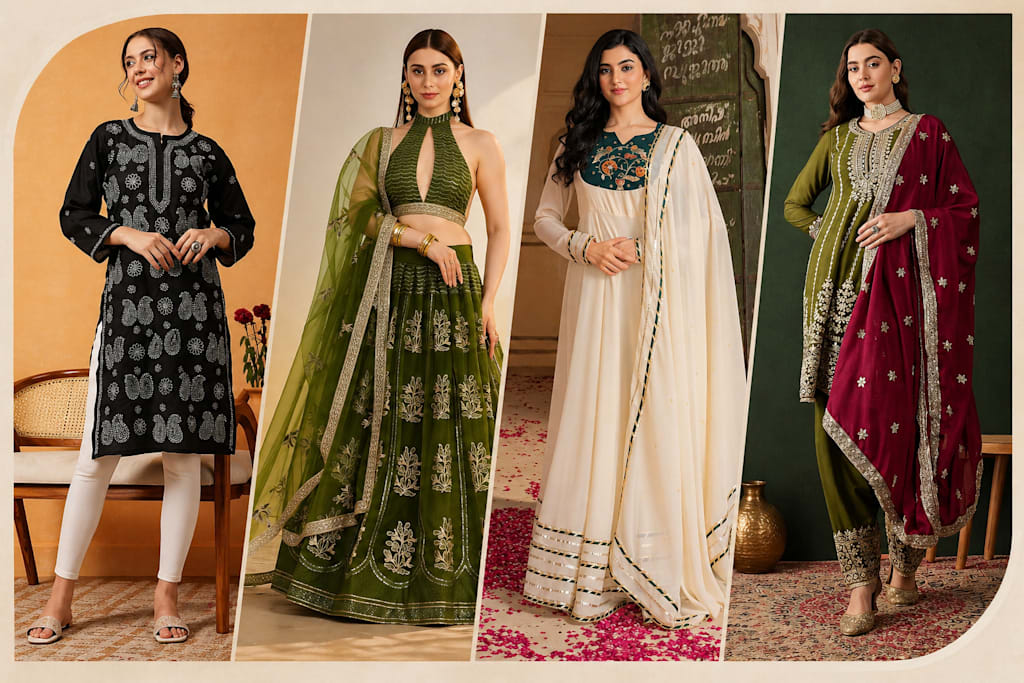
The global fashion industry is an absolute revolving door of fast-moving trends—what is considered incredibly cool this month will likely end up forgotten in a landfill by next season. Yet, traditional Indian wear completely defies this frantic cycle, remaining effortlessly relevant decade after decade.
The secret behind this timelessness lies in the sheer versatility and structural adaptability of ethnic garments. A high-quality, handwoven silk saree or a classic cotton kurta never loses its inherent elegance. These outfits are designed to celebrate and flatter the natural curves of all diverse human body types, completely freeing you from the anxiety of rigid Western sizing. Furthermore, Indian clothes are designed to be continuously reinvented. A heavy dupatta from an old wedding outfit can be easily paired with a simple, solid-colored raw silk suit years later, making your ethnic wardrobe a sustainable, lifelong investment.
Popular Types of Traditional Indian Wear
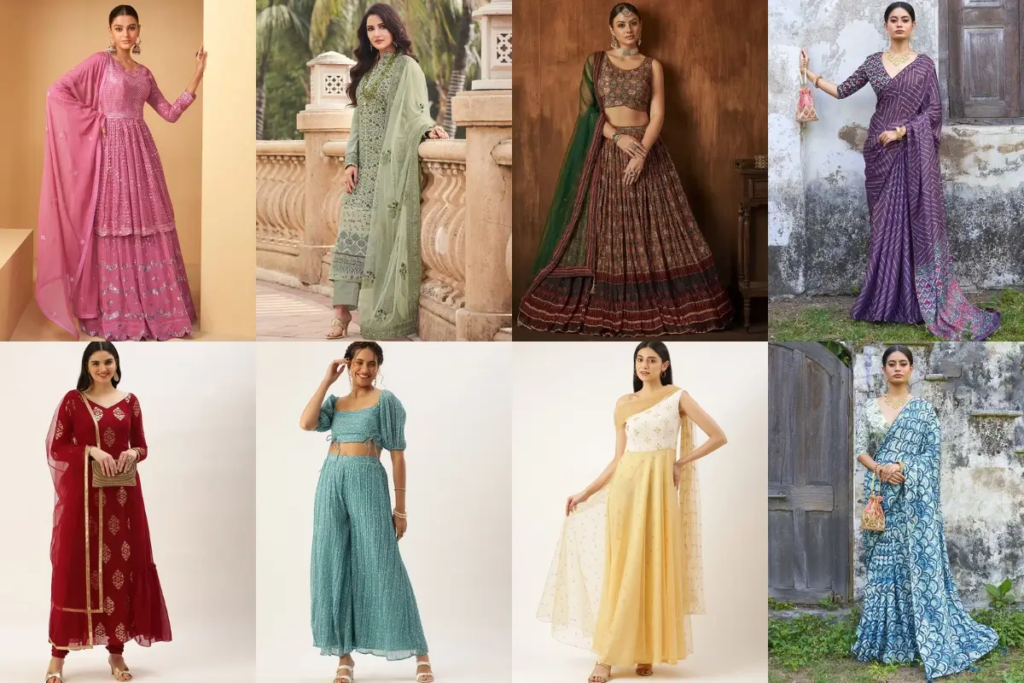
Step across any state border in India, and you will find that the entire language of fashion completely changes. The country possesses a staggering, kaleidoscopic variety of traditional clothing styles, each shaped by local weather, history, and resources.
For women, the choices stretch from the majestic drapes of seven-yard sarees and the breezy comfort of three-piece salwar suits to the royal volume of festive lehengas. Men’s fashion is equally rich, offering everything from casual, everyday short kurtas and classic straight pajamas to structured, regal sherwanis and traditional dhotis. This immense diversity means that your wardrobe never has to feel boring or repetitive. There is a perfectly tailored ethnic silhouette waiting for every single mood, weather condition, and social setting in your life.
The Timeless Elegance of Sarees
The saree is, without a single shadow of a doubt, the absolute crowning jewel of Indian fashion. It is a masterclass in minimalist structural design—a single, unstitched length of gorgeous fabric that can be draped in over a hundred distinct regional styles.
[Unstitched Fabric] ──► Strategic Regional Draping ──► Flawless Grace For All Body Types
Whether you are watching a grandmother effortlessly navigate her daily chores in a lightweight, breathable Bengal cotton saree or a young bride radiating pure royalty in a heavy, gold-infused Kanjeevaram silk, the saree remains an unrivaled symbol of grace and sophistication. It completely bypasses the fleeting rules of age and modern trends. The beauty of a saree is that it becomes exactly what you want it to be: a serious, polished power statement in a corporate boardroom, or a romantic, fluid dance of color at an evening cocktail party.
Salwar Suits: Comfort and Style Combined
If you are looking for an outfit that delivers maximum physical comfort without sacrificing an ounce of elegant Indian style, the salwar suit is your absolute best friend.
Originally native to the northern regions, this incredibly practical three-piece outfit—consisting of a tunic (kurta), trousers (salwar), and a flowing scarf (dupatta)—has become a daily wardrobe staple for women across the globe. The magic of the salwar suit lies in its endless structural variations. You can opt for the voluminous, playful pleats of a traditional Punjabi Patiala suit, the sharp, tailored lines of a modern straight-cut Pakistani suit, or the romantic, flowing flare of an Anarkali dress. It is a highly adaptable outfit that transitions flawlessly from a chaotic morning commute to a relaxed family dinner.
Lehengas for Grand Celebrations
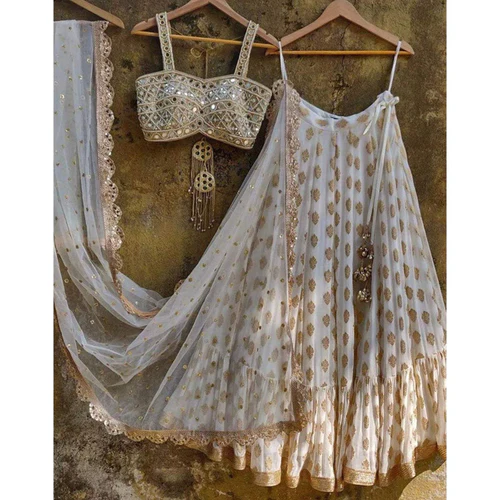
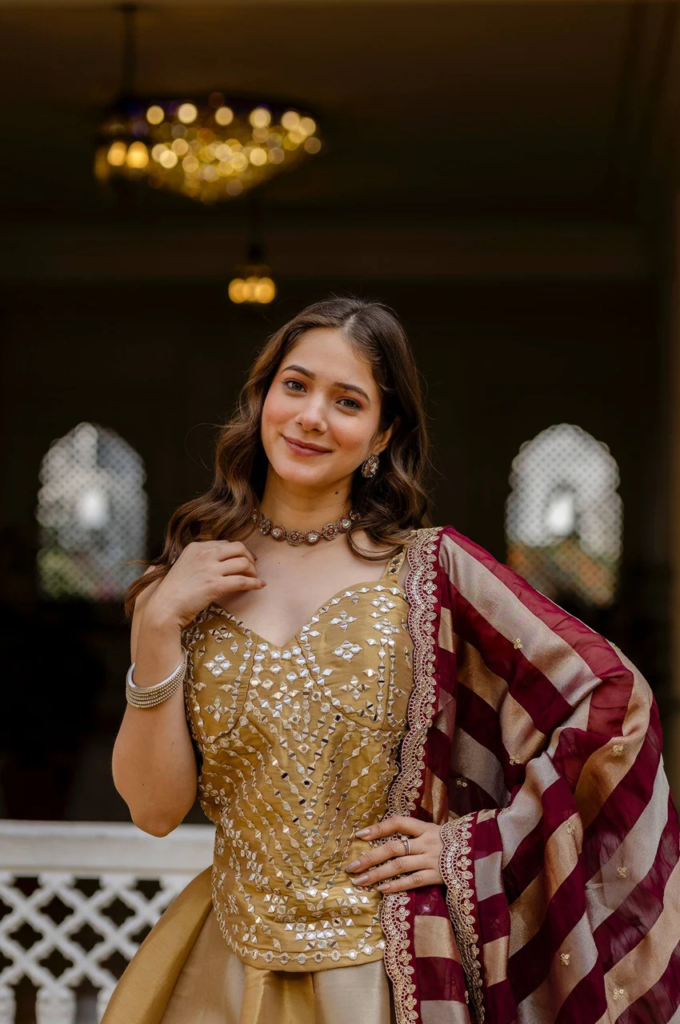
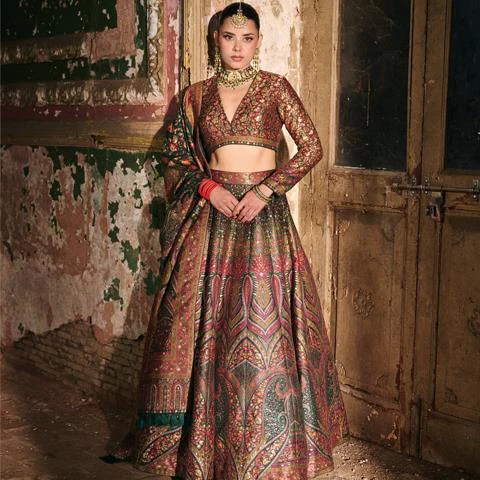
When the invitation explicitly calls for grand luxury, high drama, and pure celebration, nothing on earth competes with the glamour of a traditional Indian lehenga.
This breathtaking three-piece ensemble features a heavily flared, voluminous long skirt (lehenga), a closely fitted blouse (choli), and an elegantly draped dupatta. Lehengas are the ultimate canvas for India’s most opulent textile arts, frequently showcasing dazzling zardozi embroidery, intricate mirror work, and shimmering sequin details. Modern brides and wedding guests in 2026 are moving away from suffocatingly heavy, metallic materials and choosing lightweight silk organzas and fluid georgets that allow them to dance freely all night long while still looking like absolute royalty.
Kurtas: A Versatile Ethnic Essential
The humble kurta is the undisputed, democratic backbone of the entire Indian sub-continental wardrobe. It is an absolute essential that completely bridges the gap between genders, generations, and social classes.
For men, a beautifully fitted cotton kurta paired with jeans or a linen pyjama offers an instant, effortless upgrade from a basic t-shirt. For women, a straight-cut long kurta provides an ultra-breathable, stylish shield against the sweltering summer heat. The beauty of the kurta lies entirely in its simplicity. It acts like a blank fashion canvas—you can dress it down with simple leather sandals for a lazy Sunday morning brunch, or completely dress it up with a heavy silk Nehru jacket and statement silver jewelry for an evening festive celebration.
Sherwanis and Traditional Men’s Fashion
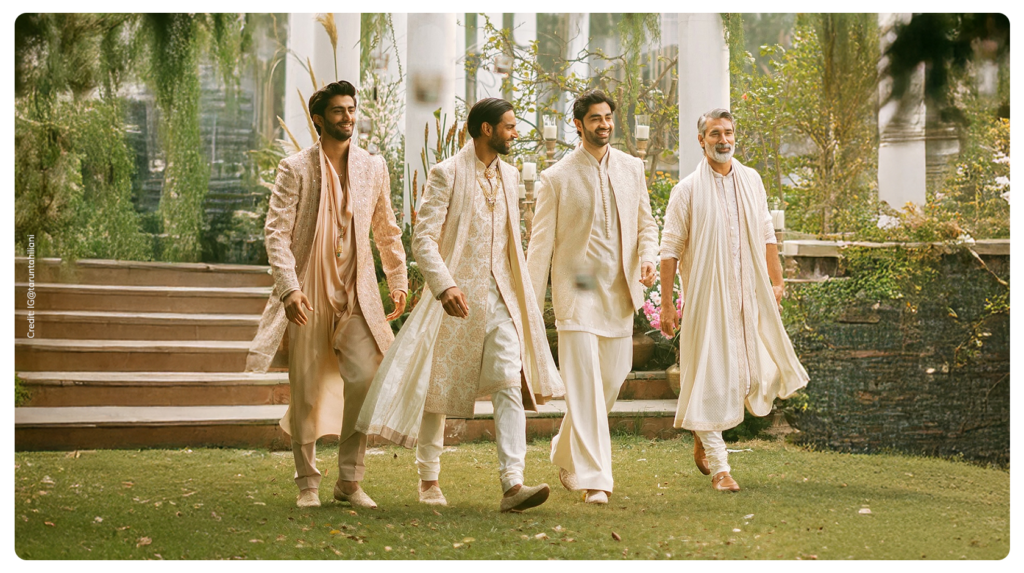
When it comes to formal men’s ethnic wear, the sherwani represents the absolute peak of masculine sophistication, structure, and regal dignity.
Dating back to the royal lifestyle of the Mughal era, the sherwani is a long, coat-like tunic that is closely tailored to the body, featuring a structured mandarin collar and a front button opening. Typically crafted from rich, heavy fabrics like raw silk, velvet, or ornate brocade, it gives the wearer an instantly polished, commanding physical silhouette. Modern grooms and groomsmen are ditching the overly gaudy, bright styles of the past and embracing hyper-sophisticated, minimalist monochromatic sherwanis in pastel tones, ivory, and deep midnight blues, creating a look that is perfectly balanced between sharp modern tailoring and historic tradition.
Traditional Indian Wear for Festivals
Festivals in India are not just simple calendar dates; they are massive, sensory explosions of pure joy, blinding lights, shared sweets, and high-energy community gatherings. Dressing up in your finest traditional clothes is an unwritten, mandatory rule of the celebration.
[Festive Morning Puja] ──► Bright, Cheerful Pastel Kurtas & Salwar Suits ──► High Spiritual Energy
[Festive Evening Party] ──► Rich Silk Sarees & Embroidered Sherwanis ──► Royal Celebration
During major celebrations like Diwali, Eid, Navratri, and Durga Puja, wearing fresh, colorful ethnic clothing completely transforms the atmosphere of your home. It honors the spiritual energy of the day and makes every photograph feel like a treasured memory. Families love to coordinate their color palettes during these festive seasons, matching soft pastel sages for morning prayers and shifting into deep, luxurious royal jewel tones as the evening lights and firecrackers take over the night sky.
Traditional Wear for Weddings
An Indian wedding is a glorious, multi-day fashion marathon that is famous all over the world for its sheer grandeur, vibrant energy, and jaw-dropping showcase of textile craftsmanship.
For the bride and groom, their wedding attire is a deeply personal, once-in-a-lifetime statement of their love story and regional family roots. But the fashion show extends far past the bridal couple. Every single wedding guest arrives dressed to absolute perfection, turning the venue into a dazzling, moving museum of Indian handlooms. From the high-energy dancing colors of the Sangeet night to the emotional, classic dignity of the main marriage ceremony, weddings allow everyone to fully indulge in their most glamorous, unapologetic ethnic dreams.
Office-Friendly Traditional Wear
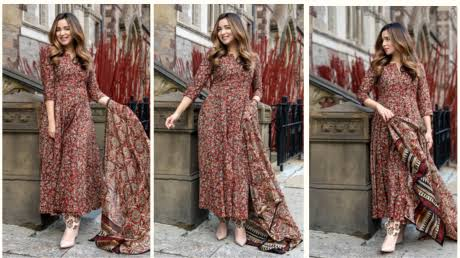
You don’t need to wait for a major religious holiday or a wedding invitation to enjoy the beauty of ethnic wear. Traditional Indian clothing has successfully conquered the modern corporate workspace.
Smart professional women are increasingly choosing elegant, solid-colored raw silk kurtas, simple block-printed A-line suits, and lightweight, crisp linen sarees for their daily office routines. These choices provide incredible physical comfort during long hours of sitting in meetings while maintaining a highly polished, commanding, and professional appearance. The key to mastering corporate ethnic wear is strict restraint—focus on clean lines, muted pastel or earthy color schemes, and completely skip the shiny sequins and heavy embroideries.
Regional Diversity in Indian Fashion
One of the most fascinating aspects of diving into Indian fashion is exploring how each geographical territory has perfected its own unique textile identity based on its historical culture.
[North India] ──► Heavy Pashminas, Intricate Chikankari Embroidery, Warm Velvet
[South India] ──► Crisp Kanjeevaram Silks, Pure White Kasavu, Bright Gold Zari
If you look at the northern states, you will find a deep love for the delicate, shadow-like hand-embroidery of Lucknowi Chikankari and the warm luxury of Kashmiri Pashmina wool. Travel down to the sun-soaked southern states, and the landscape is dominated by the heavy, structured rustle of pure temple silks and the minimalist beauty of Kerala’s white-and-gold Kasavu cottons. Embracing these diverse regional pieces allows you to transform your wardrobe into a beautiful, curated map of India’s unmatched artistic heritage.
Popular Traditional Fabrics
The absolute soul of any great garment lives within the texture, weight, and breathe of its raw fabric. Indian fashion relies on a magnificent library of natural textiles optimized for different times of the year.
| Fabric Type | Best Season | Ideal Occasion | Texture Feel |
| Pure Silk | Autumn & Winter | Weddings and formal parties | Ornate, heavy, and brilliantly shiny |
| Organic Cotton | Spring & Summer | Daily casual and corporate wear | Ultra-lightweight, crisp, and highly breathable |
| Georgette | All Year Round | Sangeet nights and cocktail parties | Fluid, bouncy, and drapes beautifully |
| Rich Velvet | Deep Winter | Royal evening receptions | Extremely soft, thick, and highly luxurious |
The Beauty of Handcrafted Designs
The real reason a piece of traditional Indian clothing feels so uniquely special compared to a basic machine-made Western shirt is the visible touch of the human hand.
Indian ethnic wear is a glorious canvas for ancient artisan techniques that have been passionately passed down through families for generations. When you examine a garment closely, you are looking at the incredible patience of hand-block printing, delicate Lucknowi mirror work, intricate Rajasthani bandhani tie-dye, and glorious hand-woven zari borders. These subtle, beautiful human imperfections ensure that no two garments are ever completely identical, giving your outfit a rare sense of artistic authenticity, character, and soul.
Modern Trends in Traditional Indian Wear
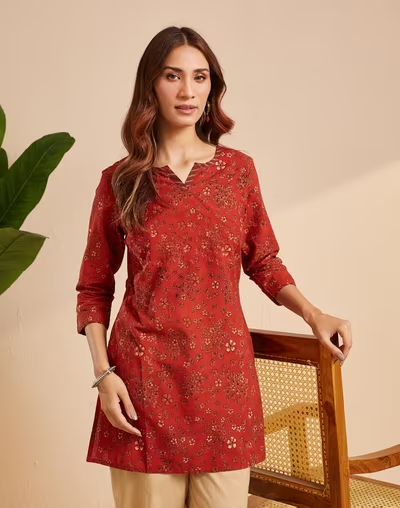
As we live through 2026, the younger generation of fashion lovers has completely rejected the idea that traditional clothing must be heavy, complicated, and difficult to manage. Comfort and functional minimalism are now leading the charge.
The current design era is defined by lighter, cloud-like fabrics, subtle tonal embroideries, and a strong focus on effortless wearability. Designers are building pre-stitched sarees that can be zipped up in under thirty seconds, creating kurtas with hidden functional pockets for smartphones, and designing cape-style dupattas that stay securely in place without requiring twenty safety pins. This smart evolution allows you to honor your beautiful cultural traditions without feeling physically restricted or weighed down by your outfit.
Indo-Western Fashion
For those days when you want to playfully experiment with your style and walk the line between two completely different worlds, Indo-Western fusion fashion is your ultimate playground.
[Traditional Indian Element] + [Sleek Western Silhouette] = Hyper-Modern Fusion Statement
This popular movement takes the best elements of Indian craftsmanship and marries them seamlessly with structural Western tailoring. Think of styling a vintage, hand-woven silk saree over a sleek black turtleneck sweater, pairing a heavily embroidered long ethnic jacket with casual denim jeans, or wearing a crop top with a flared lehenga skirt. Indo-Western styling breaks down all formal boundaries and gives you total creative freedom to build a look that feels uniquely young, fresh, and global.
Accessories That Complement Traditional Wear
An ethnic outfit is never truly complete until you select the perfect, harmonious accessories to anchor the entire look together. Accessories are what transform a simple dress into a balanced fashion masterpiece.
When dressing for a festive occasion or wedding, traditional jewelry pieces like intricate kundan chokers, jhumka earrings, and stacked glass bangles add a gorgeous frame to your face and hands. For your feet, skip the painful Western stiletto heels and choose handcrafted leather juttis or kolhapuris, which offer unmatched comfort and absolute style. Complete the entire look with a beautiful embroidered potli bag or a sleek metallic clutch, ensuring your accessories whisper elegance rather than shouting for attention.
Sustainable Fashion and Traditional Wear
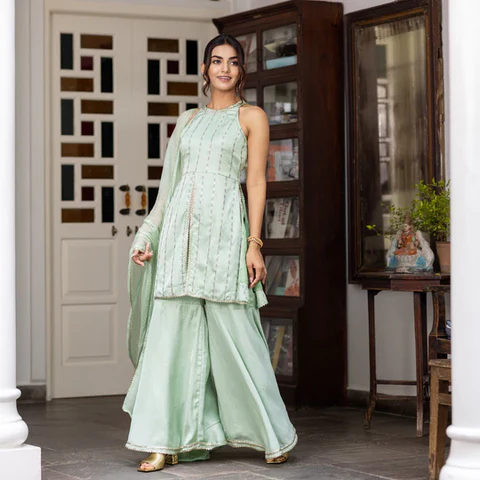
We live in an era where consumers are finally waking up to the destructive environmental toll of cheap, synthetic fast fashion. Traditional Indian wear is inherently aligned with the timeless principles of slow, sustainable fashion.
Because authentic ethnic clothing is crafted from durable, natural fibers like silk, linen, and cotton, these garments are built to last for decades if treated with love. A beautiful saree or heavy lehenga can be worn, re-styled, and passed down from mother to daughter as a precious family heirloom, completely eliminating the need for constant, wasteful consumption. By shifting your mindset toward buying fewer, higher-quality handcrafted pieces, you actively support local artisan communities and build a sustainable, conscious wardrobe you can take deep pride in.
Building a Balanced Traditional Wardrobe
You do not need to spend millions of rupees or completely overflow your closets to build a flawless, highly functional traditional Indian wardrobe. The secret is focusing heavily on smart, versatile basics.
Start by investing in three high-quality solid-colored kurtas in neutral shades like ivory, black, and deep indigo that you can mix and match endlessly. Add two beautifully fitting, comfortable cotton salwar bottoms and a couple of statement, colorful dupattas to instantly elevate any basic look. Finally, pick out one classic, elegant silk saree for unexpected formal events and a single pair of neutral tan leather juttis. With this simple, well-curated foundation, you will be fully prepared to walk into any festival, office party, or casual gathering looking effortlessly stylish.
Frequently Asked Questions
- What is widely considered the most iconic and versatile traditional Indian outfit?
The saree is universally recognized as the most iconic Indian garment due to its timeless elegance, regional diversity, and ability to flatter every body type. - Which particular ethnic outfit is best suited for high-energy festive celebrations?
Brightly colored kurtas, comfortable salwar suits, and lightweight georgette lehengas are the most popular and practical choices for festivals. - Is it possible to style traditional Indian clothing in a highly modern, contemporary way?
Yes, you can easily create trendy Indo-Western fusion looks by pairing classic kurtas with jeans or wearing sarees with modern crop tops. - Why does traditional Indian wear continue to remain so incredibly popular today?
It remains dominant because it beautifully combines deep cultural significance, timeless handloom craftsmanship, and an ability to constantly adapt to modern lifestyles.