
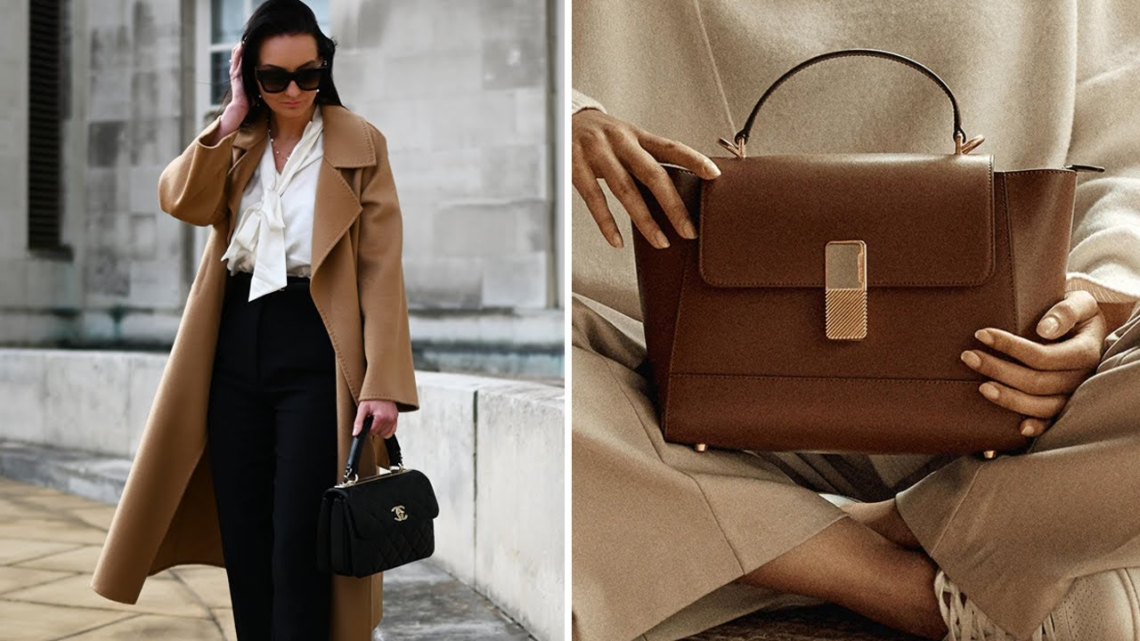
We have all experienced that distinct flash of morning panic. You are standing completely naked in front of a closet that is literally overflowing with shirts, trousers, and jackets, yet your brain is screaming that you have absolutely nothing to wear. You sift through the hangers, pulling out pieces you haven’t touched in years, feeling a growing wave of frustration before finally giving up and grabbing the exact same pair of faded jeans and dark t-shirt you wore two days ago.
It is one of the most relatable paradoxes of modern life: we buy more clothing than ever before, yet we feel less satisfied with our actual appearance.
The real problem here isn’t a lack of options; it is a fundamental misunderstanding of what it means to look good. In our fast-moving world, we are constantly bombarded by glossy advertisements telling us to buy the latest seasonal trends, expensive designer labels, and flashy statement pieces. But true fashion isn’t about how much money you spend or how closely you copy a runway model.
Looking fashionable is an inside job. It is about building a cohesive visual identity that acts as an outer mirror to your inner personality. When you wear an outfit that truly aligns with who you are, your body language changes completely—your shoulders drop back, your posture straightens, and you carry yourself with an unmistakable aura of confidence.
Transforming your everyday presentation doesn’t require an expensive wardrobe overhaul or a Hollywood stylist. By focusing on a few practical, human-centered principles, you can take the stress out of getting dressed and walk out your front door looking effortlessly polished every single day.
Understanding Personal Style
Before you can build a wardrobe that makes you look incredible, you have to stop trying to look like someone else. True style is not an elite club reserved for fashion influencers; it is simply the unique way you choose to tell the world who you are without speaking a single word. To break out of the cycle of buying clothes you never wear, you need to develop an authentic personal archetype.
[Trend Chasing]  ──► Buys Hype Items ──► Clothes Feel Foreign ──► Awkward Presentation

                                                       VS.

[Archetype Care] ──► Buys Fitted Basics ──► Clothes Feel Like Home ──► Natural Confidence
Start paying close attention to the specific outfits in your past that made you feel completely unstoppable. Are you naturally drawn to clean, minimalist lines and structured tailoring, or do you feel your best in relaxed, bohemian fabrics and vintage layers?
There are no wrong answers here. When you consciously identify the specific looks that make you feel safe, comfortable, and powerful, shopping stops being an overwhelming guessing game. You start buying pieces with a clear purpose, ensuring your closet transforms into a curated collection of clothing that works harmoniously together.
Confidence Is the Foundation of Great Style
The most beautiful garment in the world will look completely lifeless if the person wearing it feels insecure, awkward, or restricted. You can buy a pristine, thousands-of-dollars custom suit, but if you are constantly tugging at the sleeves or slouching your shoulders, the clothes will end up wearing you. Confidence is the ultimate invisible stylistic multiplier that transforms a basic combination of fabric into a memorable statement.
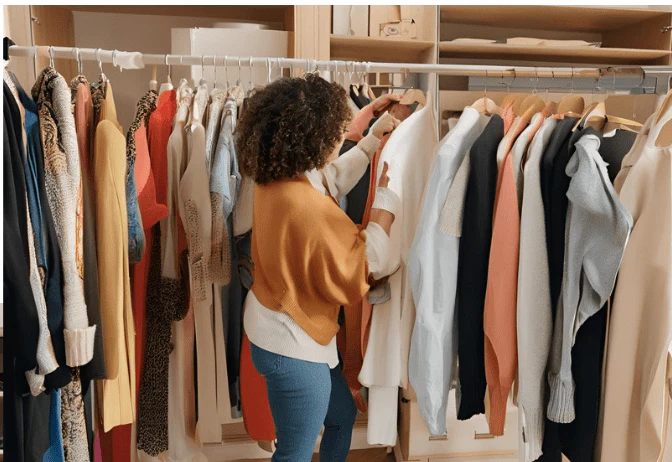
When you put on an outfit in the morning, do a quick emotional check-in. If a shirt makes you feel self-conscious about your body, or if a pair of shoes makes you walk with an awkward, painful limp, take them off immediately and donate them.
Your wardrobe should never feel like a costume or a source of physical discomfort. When you select clothes that fit your lifestyle and respect your body’s natural shape, your self-esteem naturally skyrockets, and that internal security is exactly what other people perceive as true elegance.
The Importance of Proper Fit
If you ask any master tailor for the single most important rule of dressing well, they will tell you the exact same thing: fit is absolutely everything. An inexpensive, twenty-dollar shirt that has been perfectly altered to hug your shoulders and frame your torso will always look infinitely more expensive, polished, and sophisticated than a thousand-dollar designer jacket that is swimming loosely around your frame. Poorly fitting clothes completely destroy your body’s natural geometric proportions.
Stop paying attention to the arbitrary size numbers stitched into clothing tags—different brands use completely different sizing charts anyway. Instead, buy clothes that comfortably fit the widest part of your body, and build a relationship with a local tailor to handle the rest.
Shortening a pair of trousers so they hit perfectly above your shoes or tapering the waist of a button-down shirt takes very little money, but it completely transforms how the fabric drapes over your body, giving you a sharp, clean silhouette.
Building a Versatile Wardrobe

The secret to never running out of outfits isn’t having a massive closet the size of a bedroom; it is about filling a small space with the right pieces. When you build a wardrobe around a modular capsule system, every single item you own can be easily mixed and matched with everything else, allowing you to create dozens of distinct looks with just a few core essentials.
Focus on buying high-quality, timeless basics in solid neutral colors like charcoal grey, deep navy, classic black, crisp white, and warm camel. Think of items like a perfectly fitted dark blazer, a clean white button-down, a versatile denim jacket, and well-structured trousers.
These neutral pieces act as a calm, beautiful canvas for your daily style. Because they carry no loud, distracting logos or temporary seasonal patterns, you can wear them repeatedly in different combinations without anyone ever noticing you are recycling your clothes.
Choosing Colors That Suit You
Color is an incredibly powerful psychological tool that can completely change your energy level and presentation. Wearing a shade that clashes with your natural features can make you look tired, pale, and washed out. Conversely, slipping into a hue that complements your specific undertones can instantly brighten your skin, make your eyes pop, and give you an energetic, healthy glow through chromatic harmony mapping.
[Clashing Tones] ──► Overpowers Undertones ──► Skin Looks Muted & Exhausted

                                                       VS.

[Harmonic Tones] ──► Elevates Undertones   ──► Features Pop with Vibrant Energy
Spend a few minutes standing in front of a mirror in natural daylight to discover your skin’s true undertone. If your skin looks radiant against silver jewelry and cool blues or greys, you likely have cool undertones; if you come alive in gold jewelry, olive greens, and rich earth tones, you are beautifully suited for warm palettes.
Once you understand your personal color wheel, you can use loud accents strategically—like a vibrant scarf, a bold tie, or a colorful pair of socks—to add character to a neutral outfit without overwhelming your natural features.
Everyday Style Starts with Good Grooming
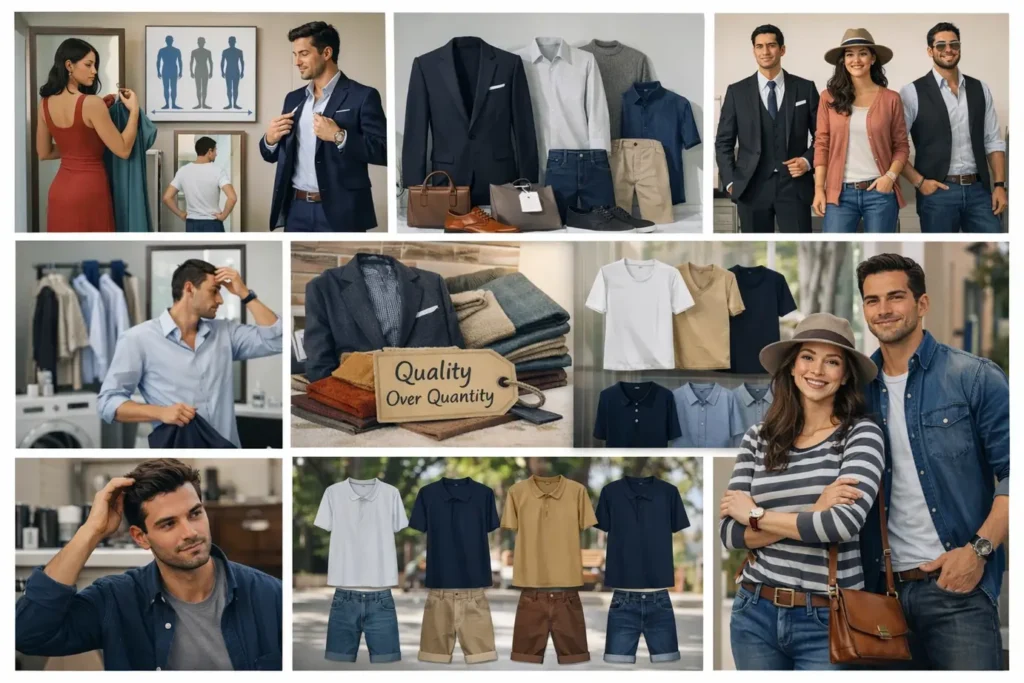
You can wear the most precisely tailored suit or the most beautiful dress in the room, but if your hair is visibly unwashed, your fingernails are dirty, and your clothes are covered in wrinkles, your entire look falls completely flat. Personal presentation is a holistic system, and hygiene maintenance discipline forms the critical foundation that keeps your clothing looking sharp.
Good grooming is entirely about respecting the small details. Keep your hair neatly trimmed, iron your clothes before putting them on, and use a simple brush to remove dirt and scuffs from your shoes every evening.
Investing a few minutes into a consistent skincare routine and keeping your scent light and clean shows the world that you take pride in your personal care. These subtle habits cost next to nothing, but they provide a level of polish and professionalism that clothes alone can never deliver.
Accessories Can Elevate Any Outfit
Think of accessories as the delicious spice rack of your wardrobe. You can take an incredibly basic, plain outfit—like a simple white t-shirt and dark denim—and completely change its entire mood just by swapping out the items you pair with it. Accessories are the ultimate tool for creative look personalization.
                                 ┌──► Silk Scarf + Leather Tote = Classic Elegance
                                 │
[Basic White Tee + Dark Jeans] ──┼──► Silver Chain + Minimalist Watch = Sharp Modern Edge
                                 │
                                 └──► Canvas Cap + Retro Sneakers = Relaxed Weekend Vibe
The gold standard rule for accessorizing is to always prioritize balance over volume. A classic leather-strapped watch, a simple gold chain, or a beautifully structured leather belt can effortlessly elevate your presentation.
If you wear too many loud pieces at the exact same time—like a massive hat, giant earrings, and stacked rings all at once—they will fight for attention and look chaotic. Choose one or two focal pieces to tell your story, and let the rest of your outfit remain clean and calm.
Staying Comfortable While Looking Stylish
There is a widespread, incredibly harmful myth in our culture that looking fashionable requires you to suffer through physical pain and restriction. We have all seen people freezing in thin clothing during the winter or limping painfully down the street in shoes that cause terrible blisters. True style is never a form of torture; it is an extension of functional ergonomic comfort.
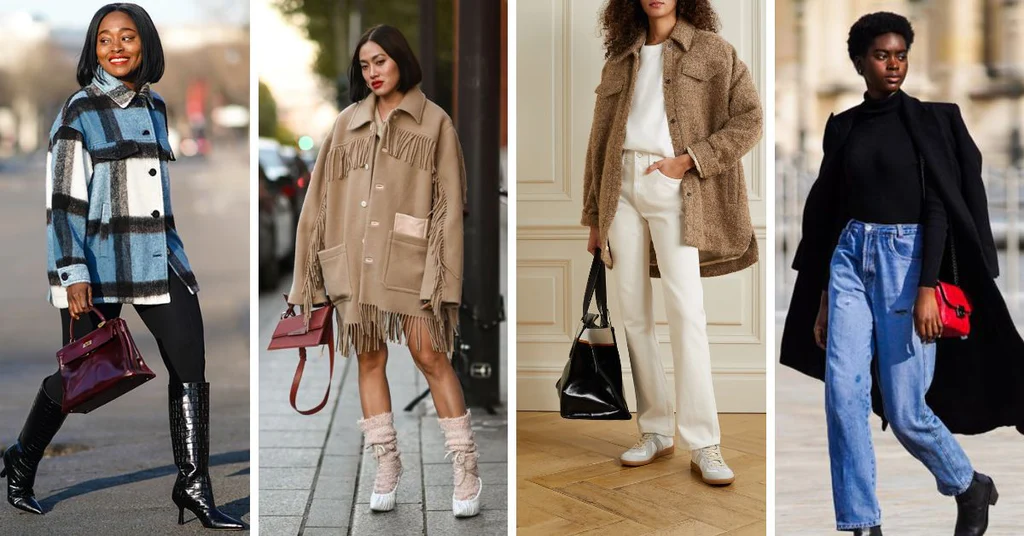
When you are physically uncomfortable, your mind becomes completely distracted, and that underlying irritation destroys your confidence and posture. Thankfully, modern textile technology means you no longer have to choose between comfort and appearance.
Look for structured trousers made with a hint of stretch fabric, invest in high-quality leather footwear that offers real arch support, and choose breathable, natural fibers like soft cotton, linen, and wool. When your body feels completely relaxed and unrestricted, you naturally move through your day with an easy, fluid grace.
Dressing for Different Occasions
A massive part of having a great sense of style is possessing the empathy and situational awareness to understand the environment around you. The exact outfit that makes you look like a creative genius at an underground art gallery will make you look incredibly unprofessional if you wear it into a conservative corporate boardroom. Your style should always adjust to your surroundings through contextual environment adaptation.
Dressing appropriately for an event isn’t about abandoning your personal style; it is about translating your look into the appropriate language of the room. If a formal business event requires structured professional attire, you can still showcase your identity through a unique color choice, a signature watch, or a vintage pin.
Showing respect for the occasion’s dress code shows that you are self-aware, mature, and completely prepared for the situation at hand.
The Role of Fashion Trends
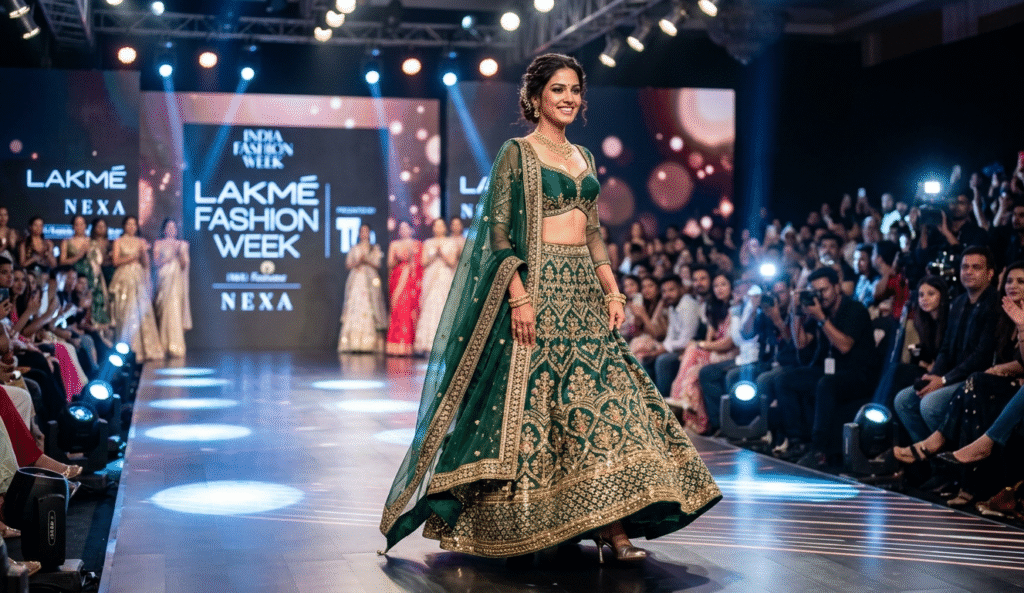
Fashion trends are designed to move at a dizzying, frantic pace for one simple reason: corporate clothing companies want you to feel out of style every few months so you keep spending your hard-earned money on new clothes. If you build your entire identity around chasing these temporary viral fads, your style will look chaotic, dated, and completely empty. Use trends for selective inspiration integration, not as a strict rulebook.
Treat new trends as a fun, optional buffet. If a specific seasonal style—like a particular cut of trousers or a trending pattern—happens to fit your body type and aligns perfectly with your personal archetype, feel free to adopt it.
But if a trend feels unnatural, uncomfortable, or forces you to alter your identity, ignore it completely. The most iconic dressers in human history are remembered because they stayed true to their own look, forcing the world to adapt to them.
Organizing Your Wardrobe

If your closet is a dark, chaotic mess where clothes are balled up on the floor and shoved into random corners, getting dressed will always be a stressful experience. You cannot style an outfit beautifully if you can’t see what you actually own. Transforming your morning routine requires a commitment to visual inventory management.
Set aside a weekend afternoon to completely empty out your closet. Ruthlessly remove anything that is stained, permanently damaged, or hasn’t fit your body in over a year.
Organize your remaining clothes by category and color, hanging them on matching wooden or velvet hangers so everything sits at the exact same height. When you open your closet door and see your wardrobe laid out neatly like a high-end boutique, your morning routine becomes incredibly calm, creative, and efficient.
Developing Signature Style Elements
When you look closely at the most stylish people in your community or in public life, you will notice that they almost always have a predictable visual signature. They aren’t constantly switching between completely different identities. Instead, they have mastered a consistent trademark element that makes their appearance instantly recognizable.
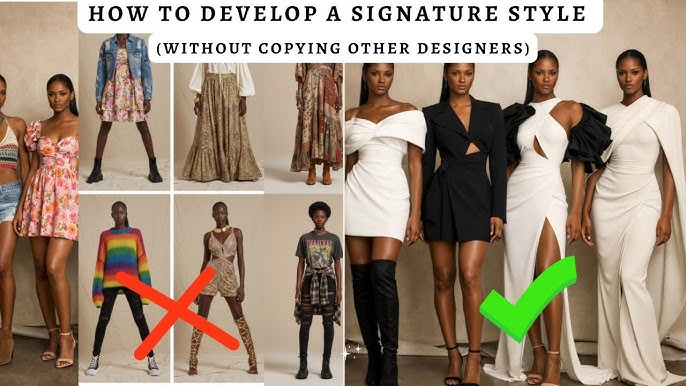
Your signature element can be incredibly subtle. It could be a specific way you always roll up your shirt sleeves, a deep love for structured utility jackets, a favorite pair of retro leather boots, or a dedicated preference for a specific shade of emerald green.
Developing these unique signature elements builds a cohesive personal brand over time. It creates an unforgettable visual calling card that tells the world you know exactly who you are, making your daily styling choices incredibly seamless.
Daily Style Elements at a Glance
| Style Pillar | Core Visual Impact |
| Tailored Alterations | Aligns fabric seams with your natural joints to elevate the entire look. |
| Capsule Foundations | Uses high-quality neutral basics to ensure unlimited mixing potential. |
| Grooming Routines | Polishes the small details to signal self-respect and maturity. |
| Comfort Integration | Swaps out stiff fabrics for breathable, flexible textures to protect posture. |
Style Is About Self-Expression
At the absolute end of the day, fashion should be a liberating source of joy, creativity, and personal play—not a source of social anxiety or rigid rules. Your body is your own private canvas, and the clothes you choose to wrap around it are your personal art form. There is no single “correct” way to dress well, as long as your choices feel completely authentic to your spirit.
If you want to wear a bold, brightly patterned suit that turns every head in the room, wear it with absolute pride. If you prefer the quiet elegance of a monochromatic black outfit, step into it with full confidence.
When you release the heavy burden of trying to gain validation from other people and start dressing purely to make your own spirit feel alive, fashion transforms from an exhausting daily chore into a powerful tool for self-discovery and empowerment.
Small Changes Can Make a Big Difference
You do not need to wake up tomorrow morning and completely change everything about your appearance. Real, sustainable style is developed slowly over time through small, mindful adjustments. It is a continuous process of experimenting with new combinations, learning from your mistakes, and refining your look as you grow through different stages of your life.
[Small Change] ──► Better Fit ──► Improved Posture ──► Effortless Daily Polish
Start exactly where you are today. Take one extra minute to iron your shirt before work, spend a few dollars to hem a pair of trousers that drag on the ground, or pick out a beautiful watch to anchor your casual outfits.
These tiny, daily choices build massive momentum over time. As you consistently show up for yourself with this level of care and attention, your eye for detail will sharpen, your confidence will lock into place, and you will naturally look fashionable and poised every single day of your life.
Frequently Asked Questions
1. How can I dress well on a tight budget without buying cheap clothes?
The best strategy is to completely stop buying cheap, synthetic fast-fashion items that fall apart after three washes. Instead, save your money to invest in fewer, higher-quality capsule basics during major seasonal clearance sales. You can also find incredible, high-end designer pieces for a fraction of their retail cost by shopping at curated vintage thrift stores or online clothing resale platforms.
2. What is the fastest way to turn a casual daytime work outfit into a sharp evening look?
You can completely transform the vibe of a basic outfit in less than two minutes simply by swapping out your third layer and accessories. If you are wearing a simple t-shirt and dark trousers at your desk, remove your casual cardigan, slip into a sharp, structured blazer, put on a sleek leather watch, and add a quick spray of a richer, warmer evening cologne or perfume.
3. Are there specific style rules I should follow if I am short or have a wide frame?
Forget about old-fashioned rules that tell you what you can’t wear. The only rule that matters is maintaining proper visual balance. If you are shorter, wearing monochromatic colors or vertical panels creates a long, unbroken visual line that makes you look taller. If you have a wider frame, avoid stiff, heavy fabrics that add bulk; instead, choose mid-weight fabrics that skim your body cleanly without pulling tightly across your chest or waist.
4. How do I know when it is time to officially throw away or donate an old piece of clothing?
Use the classic one-year rule: if an item has been sitting undisturbed on a hanger for a full twelve months, it is time for it to leave your closet. The only exceptions are formal evening wear. If a piece is visibly pilling, has yellow stains in the underarms, or forces you to hold your breath just to zipper it up, it is actively draining your energy and needs to be donated or recycled immediately.

