Healthy, strong, and beautiful hair is something many people desire, but achieving it requires proper care and consistency. Hair is often considered an important part of personal appearance because it contributes to confidence and overall grooming. In 2026, hair care is no longer limited to using shampoos and conditioners. People are becoming more aware of the importance of scalp health, nutrition, hydration, and lifestyle habits that support healthy hair growth.
Hair growth can be influenced by several factors, including genetics, diet, stress levels, hair care routines, and environmental conditions. While it may not be possible to completely control natural hair growth patterns, adopting healthy habits can help strengthen hair, reduce breakage, and create the ideal conditions for growth.
Many individuals struggle with common hair concerns such as hair fall, thinning, dryness, split ends, and scalp issues. Fortunately, simple hair care practices can make a significant difference over time. Consistency is often the key to achieving stronger and healthier hair.
Whether your goal is longer hair, reduced hair breakage, or improved overall hair health, understanding the fundamentals of hair care is the first step toward achieving noticeable results.
Essential Hair Care Habits
| Hair Care Habit | Benefit |
| Regular Cleansing | Keeps scalp clean |
| Proper Hydration | Prevents dryness |
| Balanced Diet | Supports hair growth |
| Scalp Care | Promotes healthy follicles |
| Regular Trimming | Reduces split ends |
Understanding Hair Growth
Hair growth is a natural process that occurs in cycles. Each hair strand goes through growth, resting, and shedding phases. It is completely normal to lose some hair every day as part of this cycle.
Healthy hair growth depends on the condition of the scalp and hair follicles. When the scalp is nourished and properly maintained, hair has a better chance of growing stronger and healthier.
While many products claim to provide instant results, healthy hair growth usually takes time and requires patience. Consistent care often delivers the best long-term improvements.
The Importance of a Healthy Scalp
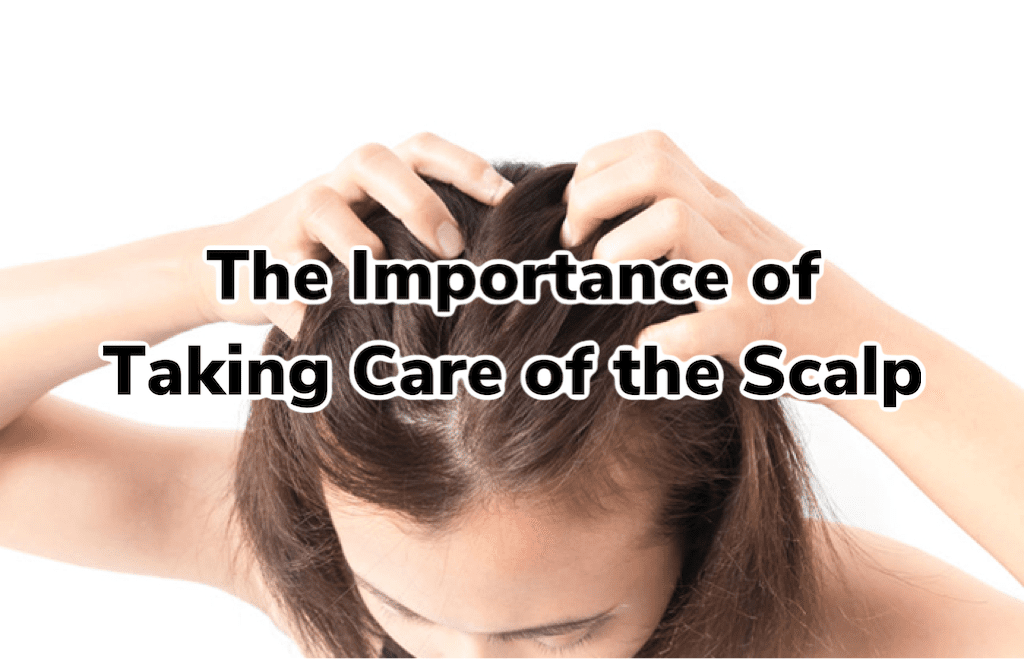
A healthy scalp is the foundation of healthy hair growth.
The scalp contains hair follicles that produce new hair strands. If the scalp becomes irritated, excessively oily, or dry, it can affect overall hair health. Maintaining a clean and balanced scalp environment helps support stronger hair growth.
Gentle cleansing and proper scalp care help remove dirt, oil, and product buildup that may interfere with healthy follicles.
Focusing on scalp health is one of the most effective ways to improve hair quality naturally.
Nutrition and Hair Health
What you eat can have a major impact on the health of your hair.
Hair requires nutrients such as protein, vitamins, minerals, and healthy fats to grow properly. A balanced diet rich in fruits, vegetables, lean proteins, and whole grains supports stronger hair from within.
Poor nutrition can contribute to hair weakness, excessive shedding, and slower growth. Staying hydrated is equally important because dehydration can affect both the scalp and hair strands.
Healthy eating habits benefit not only hair but also overall wellness.
Choosing the Right Hair Care Products
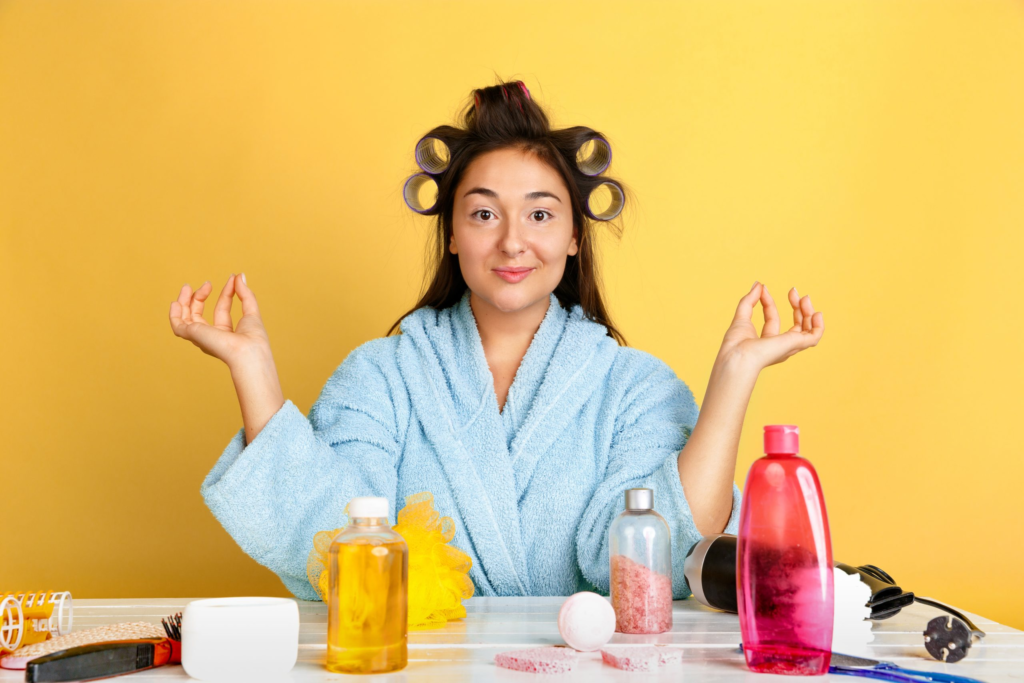
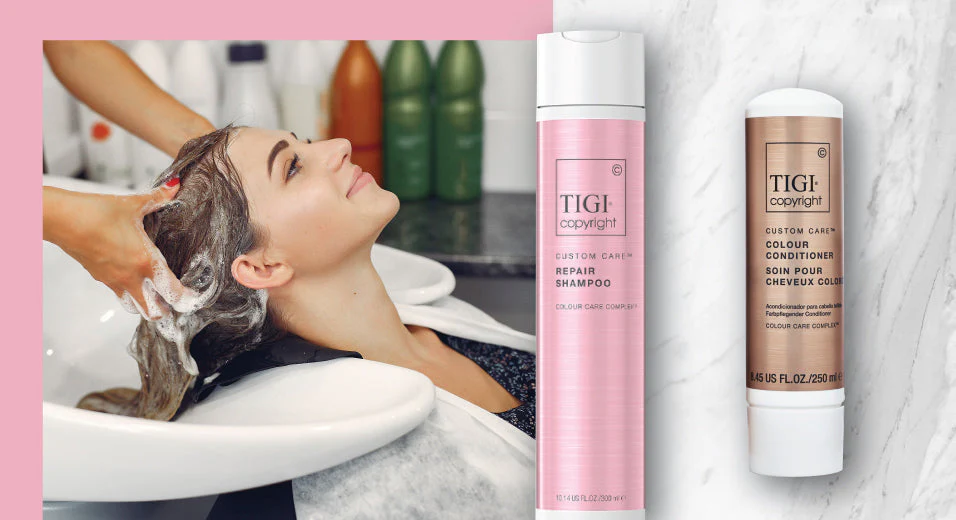
Selecting suitable hair care products is an important part of maintaining healthy hair.
Different hair types have different needs. Some individuals require extra moisture, while others need lightweight products that control excess oil. Understanding your hair type helps you choose products that support your specific goals.
Using products designed for your hair’s needs can improve texture, reduce breakage, and enhance overall appearance.
Consistency is more important than using a large number of products.
Avoiding Excessive Heat Styling
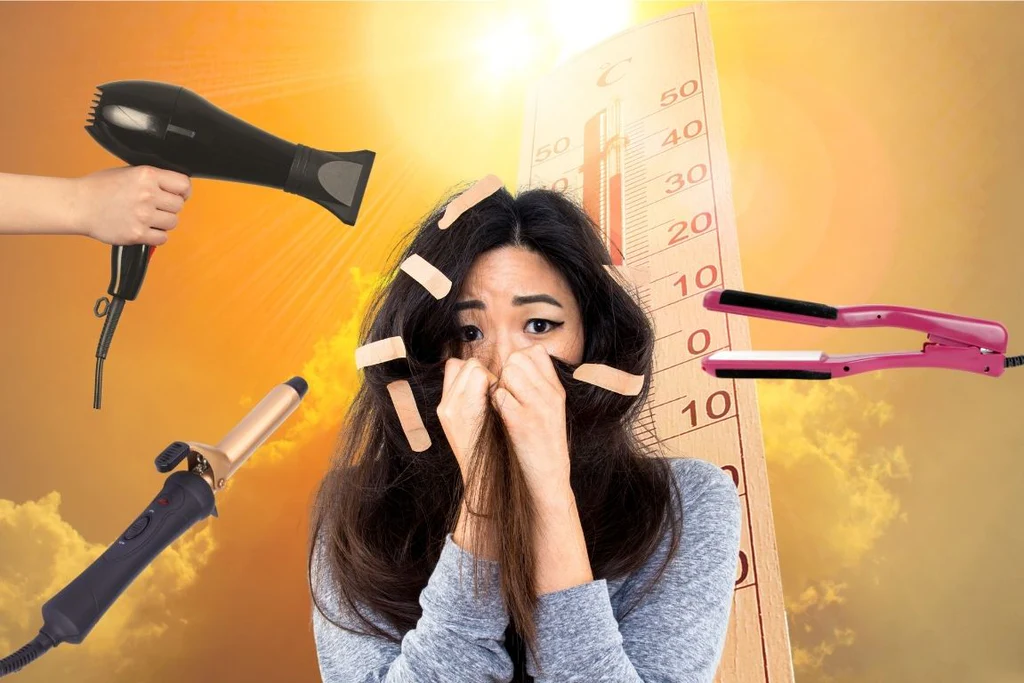
Heat styling tools can create beautiful hairstyles, but excessive use may damage hair over time.
Frequent exposure to high temperatures can weaken hair strands, reduce moisture levels, and increase breakage. Limiting heat styling and using protective measures can help preserve hair strength.
Allowing hair to dry naturally whenever possible can reduce unnecessary stress on the hair shaft.
Protecting hair from heat damage supports healthier growth and better long-term results.
The Role of Regular Trimming
Many people avoid haircuts when trying to grow longer hair, but regular trims actually support healthier growth.
Trimming helps remove split ends before they travel further up the hair shaft. This reduces breakage and improves the overall appearance of the hair.
Healthy ends make hair look fuller, smoother, and more manageable.
Routine maintenance helps preserve the strength and quality of growing hair.
Managing Stress for Healthier Hair
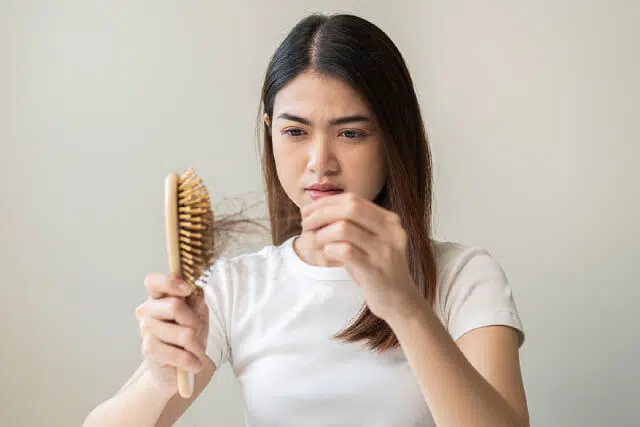
Lower stress levels can support stronger, healthier hair growth.
Stress can affect many aspects of health, including hair growth.
High stress levels may contribute to increased hair shedding and changes in scalp condition. Managing stress through relaxation techniques, exercise, proper sleep, and healthy routines can support overall hair health.
A balanced lifestyle creates a more favorable environment for healthy hair growth.
Mental wellness and physical health often play a larger role in hair quality than many people realize.
The Importance of Hydration
Hydration is essential for maintaining healthy hair and scalp conditions.
Water supports numerous bodily functions, including nutrient delivery and moisture balance. Dehydration can contribute to dry hair, brittle strands, and scalp discomfort.
Drinking adequate amounts of water each day helps support healthy-looking hair and overall well-being.
Proper hydration is one of the simplest yet most effective hair care habits.
Natural Hair Care Practices
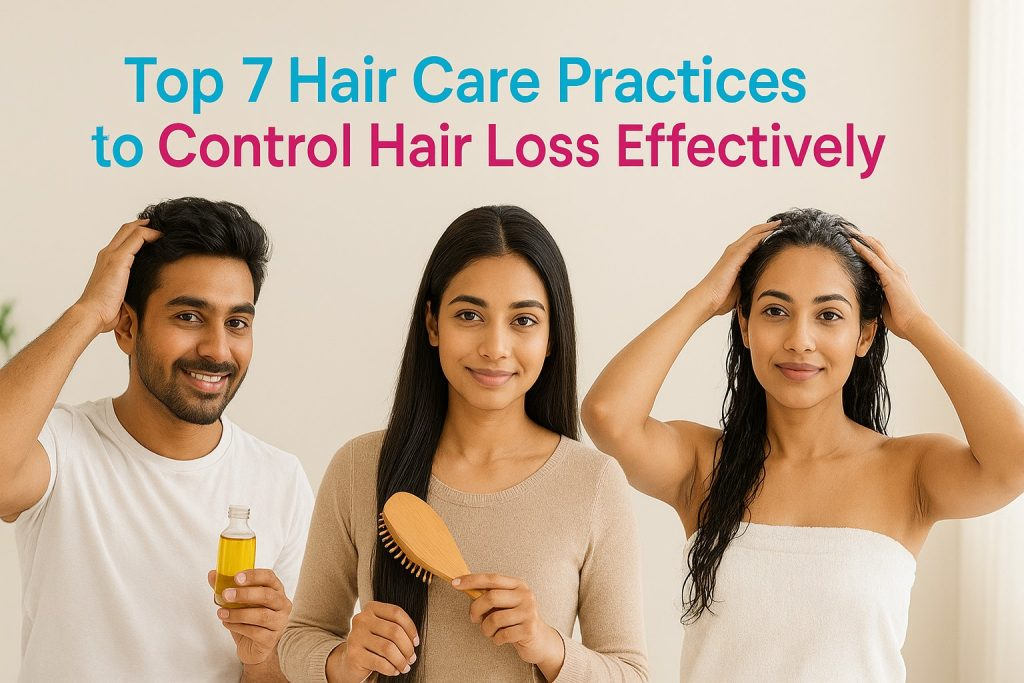
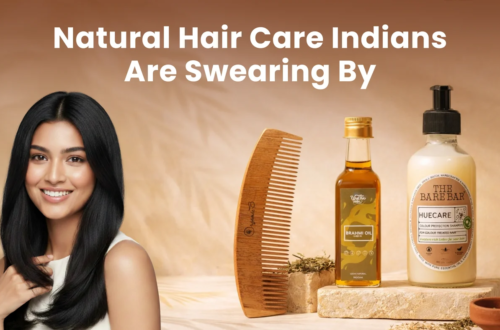
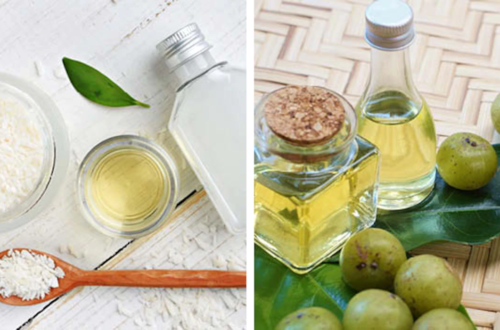
Many people are turning to natural hair care methods as part of their routines.
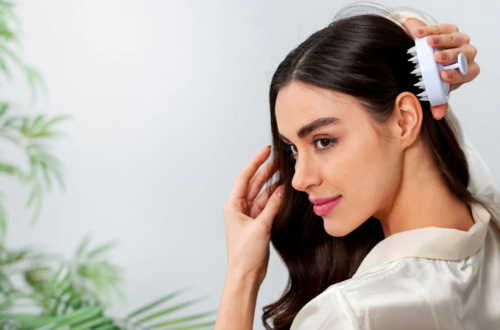
Gentle handling, scalp massage, proper cleansing, and protective hairstyles can all contribute to healthier hair. Natural approaches often focus on maintaining balance rather than relying on excessive treatments.
Simple habits performed consistently can have a positive impact on hair health over time.
Natural care practices also help minimize unnecessary stress on hair strands.
Protecting Hair from Environmental Damage
Environmental factors such as sunlight, pollution, humidity, and harsh weather conditions can affect hair quality.
Exposure to these elements may contribute to dryness, dullness, and breakage. Taking steps to protect hair when outdoors can help maintain strength and appearance.
Covering hair when necessary and following a consistent care routine can reduce environmental damage.
Prevention is often easier than repairing damaged hair later.
Building a Consistent Hair Care Routine
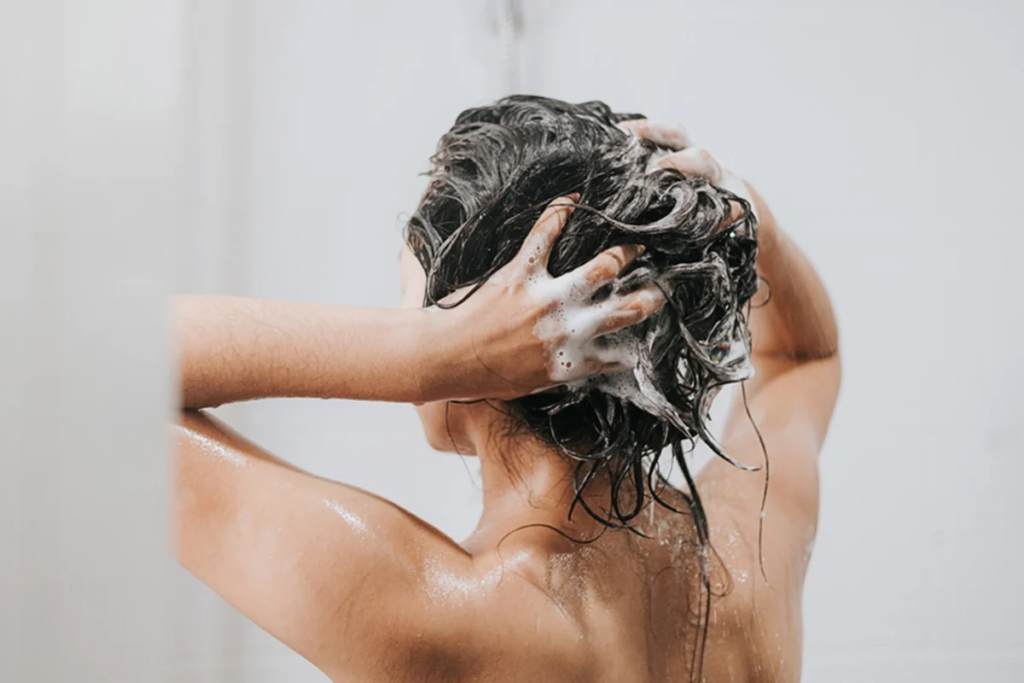
One of the most important aspects of hair care is consistency.
Many people switch products frequently or expect immediate results. Healthy hair growth usually occurs gradually, and long-term improvements require regular care.
A simple routine that includes cleansing, hydration, proper nutrition, and scalp maintenance is often more effective than complicated regimens.
Patience and consistency allow healthy habits to produce lasting results.
Pros and Cons of Following a Hair Care Routine
| Pros | Cons |
| Promotes healthier hair growth | Results may take time |
| Reduces breakage and damage | Requires consistency |
| Improves hair appearance | Some products can be expensive |
| Supports scalp health | Trial and error may be needed |
| Enhances hair strength | Lifestyle changes may be required |
| Increases confidence | Not all methods work equally for everyone |
FAQs
1. What helps hair grow stronger?
A healthy diet, proper scalp care, hydration, and consistent hair care habits help support stronger hair.
2. How often should I wash my hair?
The ideal frequency depends on hair type, but most people benefit from washing according to their scalp’s needs.
3. Does trimming hair help it grow faster?
Trimming does not speed up growth, but it helps prevent breakage and keeps hair healthier.
4. Can stress affect hair growth?
Yes, high stress levels can contribute to hair shedding and negatively impact overall hair health.